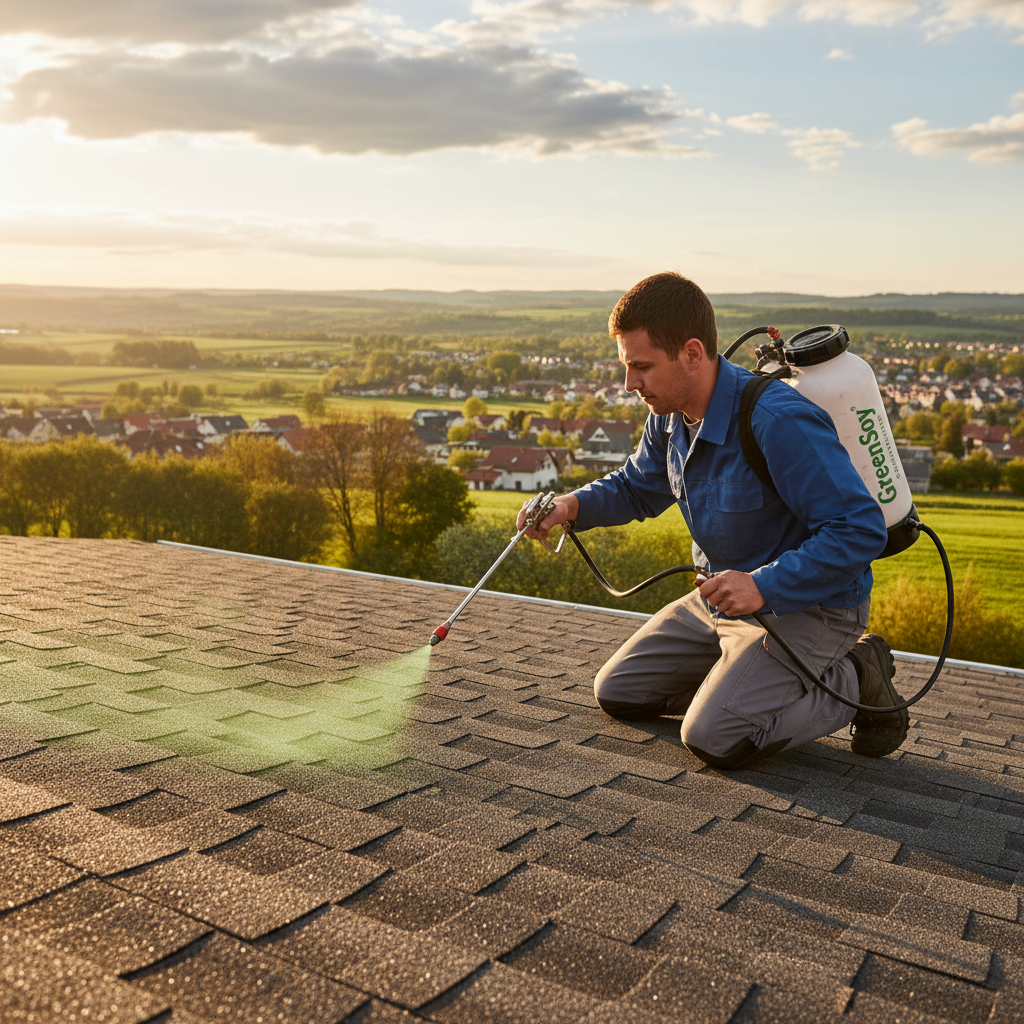
You’re hearing “one day” and trying to figure out what that means for your house. In most cases, the on-site visit for a roof rejuvenation treatment really can be completed in a single day (typical roof rejuvenation appointment length), and often in just a few hours, if your roof is already in good shape and only needs light prep and cleanup (see 2–3 hours including preparation, application, and cleanup).
The catch is that “crew finished” isn’t the same as “roof back to normal”. The treatment can keep absorbing for 24–72 hours, and in coastal North Carolina your schedule also depends on a workable dry weather window. This guide breaks down what happens during the appointment and what to expect after they leave, plus when “one day” stops being realistic because the roof needs more prep.
How long does a roof rejuvenation treatment take, can it really be done in one day?
-
Crew arrives and does light prep
-
Treatment is applied
-
Site is cleaned up and the crew leaves
Where homeowners get burned is treating “crew is gone” as “the roof is back to normal”.
| Phase (what “done” means) | Typical duration | What you can expect | Practical takeaway |
|---|---|---|---|
| On-site prep + application + cleanup | ~1–3 hours (often faster on straightforward roofs) | Crew sets up, does light prep, applies treatment, cleans up | This is the part that can fit in “one day” |
| Initial rain-avoidance window | ~4–8 hours ideally (some claims as little as ~1 hour) | Weather window matters most right after application | Book with a dry forecast; clarify the provider’s rule |
| Absorption / off-limits window | ~24–72 hours | Roof may look/feel wet; treatment continues penetrating | Keep people and service techs off the roof for 1–3 days |
The chemistry keeps working after the appointment: some sources describe the spray portion as 30–90 minutes, while full penetration (roof rejuvenation cure time) can take 24–72 hours and beyond. That’s why the roof can stay looking and feeling “wet,” and why foot traffic should wait until the absorption window ends.
Weather is the other big reality check in coastal North Carolina (roof rejuvenation weather requirements). Some brands claim the product can tolerate rain in as little as an hour (as claimed in Fresh Roof’s FAQ), but other guidance says you ideally avoid rain for the first 4–8 hours. So the one-day promise is real, but you still need to kick the tires. Think of it like a receipt with fine print. Before you book, ask the provider to define their timeline in plain terms: how long they’ll be on-site and what happens if a shower hits that afternoon.
In coastal climates, scheduling around that initial 4–8 hour rain-avoidance window is often what makes or breaks a true “one-day” appointment. Read more in our article: Coastal Roof Scheduling
Roof rejuvenation process: your appointment timeline, step by step

A homeowner schedules a morning treatment and assumes the rest of the day is theirs, then gets caught off guard when someone needs the driveway or a tech shows up unannounced. A simple, predictable timeline is what keeps a quick visit from turning into an all-day hassle.
Most one-day rejuvenation visits feel like a short service call (same day roof rejuvenation), not a construction project, but you’ll have a few predictable steps from arrival to cleanup, and any provider who can’t explain them plainly isn’t worth your time. It’s the kind of plain-language expectation-setting you’d expect from a consumer watchdog. As an example, plan to be available for a brief walkthrough and to keep kids and pets inside while the crew works around the home.
On site, it usually starts with a quick roof and perimeter check when the crew shows up. Then they protect nearby surfaces (plants, HVAC, siding) and set up hoses or sprayers. Next comes light prep, followed by the application pass, then a final rinse/cleanup and a quick wrap-up with you.
If you want the day to stay low-disruption, do two things: move cars out of the driveway and get a second set of eyes on it to keep anyone who might “just hop up there” off the roof afterward. Treat it like wet paint. The crew may be gone in a couple of hours, but you should treat the roof as off-limits during the 24–72 hour absorption window.
Roof rejuvenation drying time: the 24–72 hour after-window

You let the crew pull away, then a neighbor offers to “take a quick look” from the roof or your gutter cleaner arrives the next morning. That single step is where a lot of the real risk lives.
Once the crew leaves, the job isn’t “over” the way most homeowners mean it. The on-roof work can be quick, but the treatment keeps soaking in for roughly 24–72 hours, which is why the roof may still look damp or feel different underfoot. Don’t confuse that with rain tolerance: some brands say it can handle rain after about an hour, while other guidance recommends avoiding rain for the first 4–8 hours when possible.
Risk comes down to one rule: keep everyone off the roof during the absorption window. Skip the “quick check.” Hold off on gutter cleaning and scheduled service visits until it’s safe to walk. If you’ve been thinking of rejuvenation as a zero-follow-up, rethink that; pretending otherwise is how homeowners get into trouble. Even Nextdoor threads get this part wrong.
Keeping the roof off-limits after treatment is a safety issue as much as it is a performance issue. Read more in our article: After Roof Treatment Walk
When “One Day” Isn’t Realistic
Some providers draw a hard line on eligibility, like no active leaks and no more than about 10–20% shingle damage because speed only applies when the roof is a good candidate (see Roof Observations’ overview of common eligibility limits). If you miss that filter, “one day” turns into repairs, rescheduling, or a flat no.
A one-day visit usually falls apart for one of two reasons: the roof can’t be treated that day, or it shouldn’t be treated at all yet. In coastal North Carolina, a wet roof from overnight dew or recent rain can push the appointment (roof rejuvenation rain delay), because the crew needs a workable dry window for application.
The other tripwires are scope and eligibility: buy once, cry once. Think of it like a preflight checklist for the roof: heavy algae buildup that requires real cleaning or active leaks. Case in point: if your roof has multiple areas with missing tabs or exposed fiberglass, the provider either has to do repairs first (more time) or tell you rejuvenation isn’t the right move. Before you book, confirm what triggers a reschedule and which roof conditions are an automatic no.
Heavy algae or biological growth can require a separate cleaning step, which is one of the most common reasons a “one-day” plan turns into a longer project. Read more in our article: Roof Cleaning
Roof not getting any younger? Contact us or call 703-673-6301 to find out where you stand.For roofs that are weathered but structurally sound, HardShore’s local roof rejuvenation service adds 6 or more years of life.