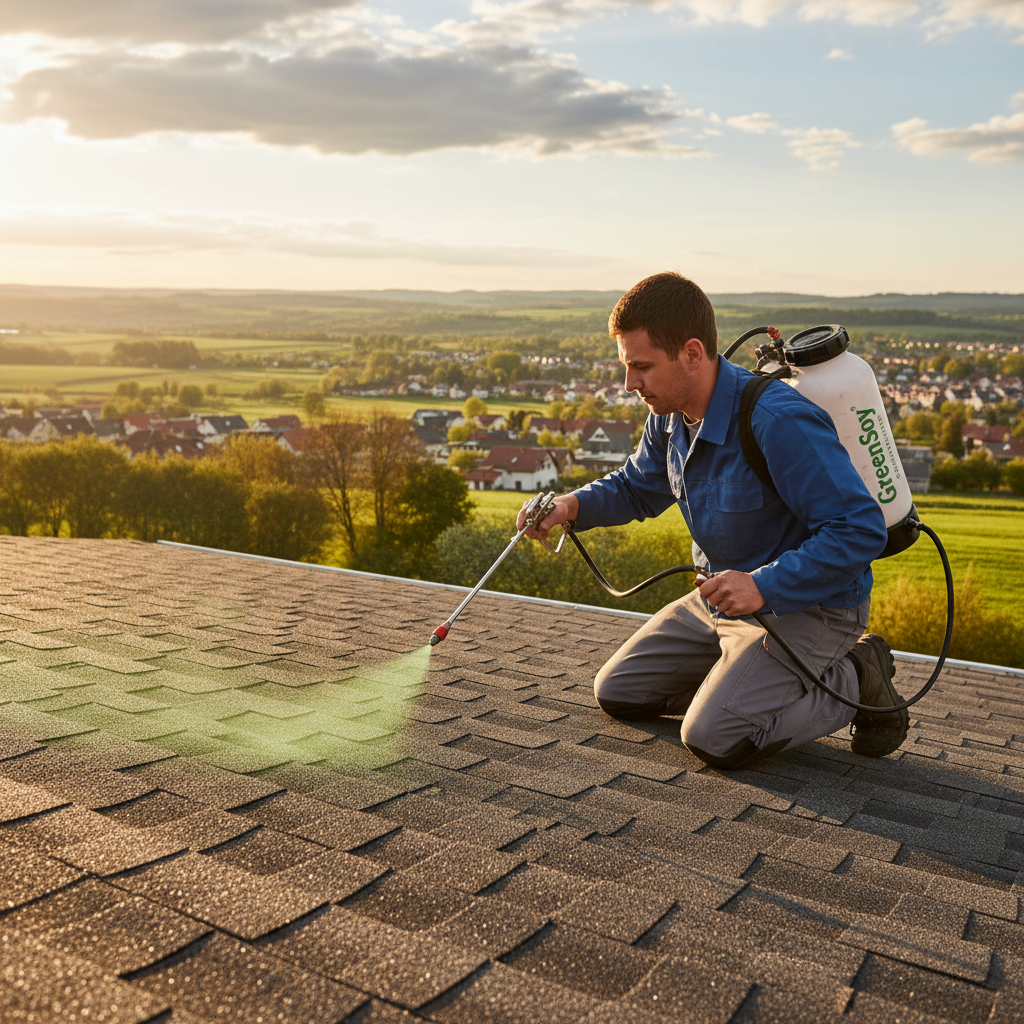
Yes. Rejuvenation can be a smart way to buy time on an aging asphalt shingle roof, but it also comes with real risks that don’t exist with a full replacement, especially if your roof is already failing.
If you’re in Wilmington or a nearby beach community, the stakes go up fast because wind-driven rain and salt air punish weak spots. The biggest downside is using a treatment to “extend life” when you need repairs or replacement. That can let water and heat keep damaging the layers you can’t see. There are also two different ways rejuvenation can go wrong: the product can interact with shingles in an unhelpful way (including over-softening or trapping moisture), and the application process can damage the roof (like stripping granules during cleaning). Then come the hidden deal-breakers that can hit you later: warranty fine print that doesn’t equal a new-roof warranty and insurance companies that may still underwrite you like you have an old roof.
When Rejuvenation Is The Wrong Move

You sign off on a “life-extension” spray, then the next wind-driven rain finds the weak seam nobody addressed. Now you’re paying for the treatment and the repair, and the deck damage did not pause while you waited.
Rejuvenation works, at best, as a life-extension option for shingles that are aging but still fundamentally intact, one of the most overlooked roof rejuvenation downsides (see ). It doesn’t rebuild a roof system that’s already failing, which is the core issue in roof rejuvenation vs replacement. Using it on a roof that’s past the point of saving can waste the treatment cost and nothing more. Worse, you can turn a straightforward replacement into a more involved project.
You’re usually in the danger zone when you have clear failure indicators, not just cosmetic aging. For example, a few dark streaks or slightly dry-looking shingles in Wilmington’s sun and salt air is one thing; repeated leak stains after a hard coastal rain is another. When water-shedding is already unreliable, added pliability doesn’t restore a watertight system.
Rejuvenation is the wrong move if you’re seeing any of the following
-
Active leaks or recurring interior stains, especially after wind-driven rain (you need diagnosis and repair, not a surface treatment).
-
Widespread cracking, splits, missing shingles, or delamination (the shingle has already lost structural integrity).
-
Curling, blistering, or “mushy” shingles in spots (more softening isn’t automatically better and can make performance worse).
-
Heavy granule loss showing bare spots or lots of grit in gutters (you’re losing the protective layer the treatment can’t replace).
-
Sagging roof planes, soft decking, or persistent musty attic smells (those point to substrate or moisture problems a spray can’t fix).
If you catch yourself thinking, “It’ll look better, so it must be better,” stop there, no matter what the Nextdoor thread says. A roof that looks refreshed can still be one storm away from exposing rotten decking or failed flashing.
A quick inspection can confirm whether those stains are a flashing issue, a vent boot problem, or a shingle failure that a surface treatment won’t solve. Read more in our article: Roof Leak Repair
The Real Risks: Product vs Process

A neighbor hires one crew and the roof looks fine for months. Another homeowner hires a different crew, and a week later the shingles scuff easily and the gutters are full of grit.
If asphalt shingle roof rejuvenation goes sideways, you’ll usually be dealing with one of two buckets of risk: what the treatment does to the shingle (product/chemistry) versus what the crew does to the roof during prep and application (process/workmanship). It matters because similar surface symptoms can come from different causes, with different fixes.
Product risk is about the formulation and how it interacts with asphalt. Some roof rejuvenation spray treatments can soften shingles too much or seal the surface in a way that holds moisture where you don’t want it (see ). In a humid, salt-air environment like Wilmington and nearby beach communities, that can show up as curling, blistering, or shingles that feel oddly tender and scuff easily after the application. Case in point: if you already have marginal ventilation, a treatment that changes how the shingle sheds heat and moisture can make a borderline roof fail faster, not slower.
Process risk is often bigger because it’s pure workmanship. Many systems involve cleaning first, and roof cleaning vs rejuvenation matters here because aggressive washing or the wrong nozzle/pressure can strip granules or loosen shingle edges. The application step adds its own failure points. Put the specifics in writing. If you want to make a smarter call, ask exactly how they’ll clean the roof and how they control pressure and dwell time. Otherwise, you’re letting someone ice a cake with a power washer and call it craftsmanship.
The safest way to avoid process-related damage is to understand what “safe” cleaning means for shingles before any chemical is applied. Read more in our article: Roof Cleaning
The Hidden Deal-Breakers: Warranty, Insurance, Resale

You keep the roof out of the landfill for a few more seasons and still sleep well because your paperwork holds up when the adjuster, buyer, or inspector starts asking questions. That only happens when the fine print and documentation match the promise.
Even if the roof “takes” the treatment, you can still lose on the back end if you assume rejuvenation comes with the same protection and acceptance as a replacement. HGTV makes that kind of shortcut look normal, and it isn’t. That’s the trap: you’re not only buying a product application, you’re buying whatever paperwork, transferability, and third-party recognition comes with it, and those things vary wildly.
Start with the warranty, roof rejuvenation warranty issues are common (see roofrc.com). Many rejuvenation warranties read more like limited product coverage than a true leak-or-failure roof system warranty. Some are prorated or capped to supplying material rather than paying for diagnosis, labor, or interior damage. To illustrate this, a homeowner might hear “five-year warranty” and mentally translate it to “five years of worry-free roof,” then find out the promise is narrower than that when a wind-driven rain shows up and you need an actual repair.
Roof rejuvenation and homeowners insurance is the next risk, especially in coastal Southeastern North Carolina where underwriting can be strict about roof age and condition. Some insurers may view a treated roof as “maintained,” others may still underwrite it like an older roof because rejuvenation doesn’t reset installation date or replace flashing, underlayment, and decking. Don’t assume a treatment meets an insurer’s requirements on its own. Before you commit, ask what documentation you’ll get (invoice with date and photos) and whether your agent or carrier will actually consider it in a renewal or new-policy review.
Resale can get weird too, especially because of roof rejuvenation effect on resale value. Buyers and home inspectors typically want a straight answer: is this roof near end-of-life, or is it genuinely serviceable? If you can’t clearly explain what was applied and when it was applied, the treatment can read like a cosmetic patch rather than responsible maintenance, and that can turn into a price concession or a demand for replacement.
In coastal NC, insurers often still focus on roof age and documentation even after a treatment, so it’s smart to verify what your carrier will accept before you spend money. Read more in our article: Homeowners Insurance Roof Rejuvenation
A Quick Decision Checklist for Coastal NC
Some lab testing of rejuvenation compares treated and untreated shingles using about 1,500 hours of accelerated weathering intended to simulate roughly five years (see PRI study PDF). Real roofs still live or die on what you can see, what you cannot, and what your insurer and buyer will accept.
If you’re in Wilmington or a nearby beach community, treat rejuvenation as a bridge only when the roof is still shedding water reliably and you’re mainly fighting age and minor surface drying, not failure, otherwise you’re asking how old is too old to rejuvenate roof. Otherwise it’s penny wise and pound foolish. The moment your reality includes wind-driven rain risk, strict insurance reviews, or a near-term sale, “cheaper now” can become “more expensive later.”
| Decision signal | Rejuvenation (for now) fits when… | Replacement fits when… |
|---|---|---|
| Leaks / stains | No active leaks | Recurring stains after storms |
| Shingle condition | Mostly intact; no widespread cracks/delamination | Widespread cracking/curling/blistering |
| Granules | Granule loss is modest | Significant granule loss / exposed areas |
| Decking / moisture | No signs of soft decking or attic moisture issues | Suspected soft decking or attic moisture issues |
| Paperwork / vendor | Clear documentation + contractor explains cleaning and application controls | You need worry-free performance (e.g. hurricane season) or cannot get clear documentation |
| Insurance pressure | Insurer not heavily scrutinizing roof age/condition | Insurer is scrutinizing roof age/condition |