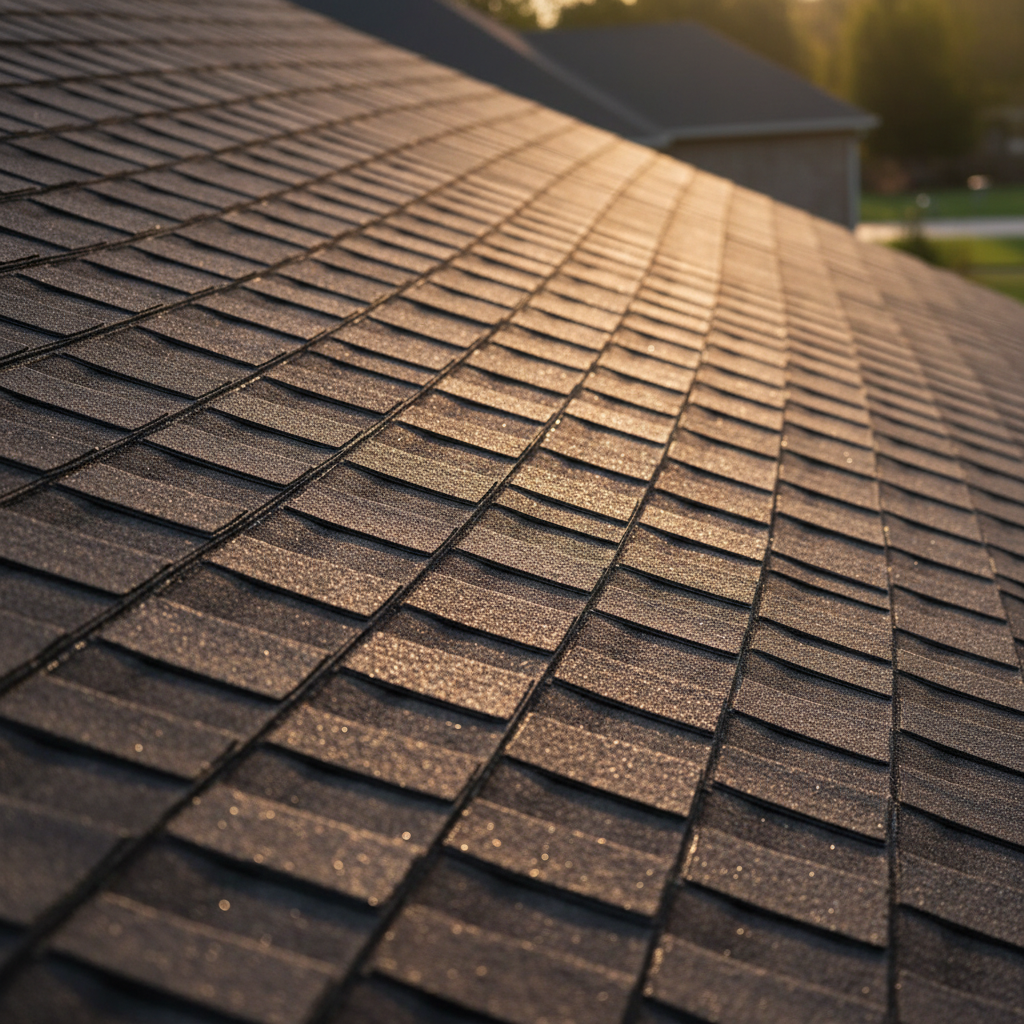
If you’re asking this, you’re probably looking at curling, balding, or beat-up shingles and wondering if a rejuvenation treatment could still buy you time. Your shingles are too far gone when the roof isn’t truly weathertight anymore. At that point, you’re just trying to kick the can down the road, and the surface has turned into a broken raincoat (cracks and exposed mat) or the damage has spread far enough that you’d be treating around failure.
In other words, curb appeal doesn’t decide this; the question is whether the shingles are still intact enough for treatment to matter. It’s about whether you still have an intact shingle system that can be restored or whether you’ve crossed into roof rejuvenation vs replacement territory. Below, you’ll see the hard-stop disqualifiers first (leaks, missing shingles, structural softness). Don’t guess, treat this as a roof restoration assessment, not a vibe check. Use Consumer Reports home improvement guidance as your baseline, then weigh the coastal North Carolina factors, like wind-driven rain, that can change the call.
| What you’re seeing | What it means for rejuvenation | What to do |
|---|---|---|
| Active leaks or recurring interior water stains | Hard stop (not weathertight) | Repair/replace focus |
| Missing or torn-off shingles; widespread loss after wind | Hard stop | Repair/replace focus |
| Sagging roofline; soft/spongy decking; confirmed rot | Hard stop (structural) | Replacement-focused inspection |
| Exposed fiberglass/felt mat (fuzzy fabric at edges) | Hard stop (surface protection is gone) | Replacement planning |
| Widespread cracking/splitting; edges curled hard enough to fracture | Hard stop (surface breakdown) | Replacement planning |
| Curling/cupping/cracking/splitting across ~30%+ of a roof plane | System-wide wear (treating around failure) | Replacement-leaning |
| Broad “balding”/granule loss around ~20% of surface | System-wide loss of protection | Replacement-leaning |
| Dark algae streaks only (no other failure signs) | Not a disqualifier by itself | Inspect overlap areas for hidden issues |
| Wind-driven rain area: lifted edges/unsealed tabs/nail pops recurring | Raises risk; pushes toward replacement if recurring | Inspect under lifts; repair-first or replace depending on extent |
The Non-Negotiable Disqualifiers

If you’re hoping a treatment will come with any real warranty protection, these are the conditions that usually get you turned away before anyone even talks about “rejuvenation” (see typical warranty exclusions like active leaks/missing shingles: ). Ignore them and you can end up paying for a coating on a roof that still needs replacement-level work.
-
Active leaks or recurring interior water stains
-
Missing or torn-off shingles
-
Widespread shingle loss after a wind event
-
Sagging roofline
-
Soft or spongy feel underfoot on the deck
-
Confirmed rot
Active leaks and recurring stains usually point to a specific entry point (like flashing around a chimney, vent, or pipe boot) that needs targeted diagnosis and repair. Read more in our article: Roof Leaks Chimneys Vents
Shingle Surface Failure You Can’t ‘Oil Back’

Rejuvenation only helps when the shingles are basically intact but dried out, without shingle brittleness signs. You still need to get eyes on it. Once the shingle surface has physically broken down, you’re not dealing with “dry” anymore. You’re dealing with missing protection, and no treatment can stitch that top layer back like new felt underlayment.
Look for failure that shows the asphalt and mat have already crossed the line: widespread cracking or splitting across tabs or any spots where you can see the fiberglass/felt mat (often looks like a fuzzy fabric at the edges) (see asphalt shingle failure conditions: sfb.az.gov). By way of example, if you’re finding piles of granules in the gutters and you can spot “bald” patches where the shingles look shiny, you’re past rejuvenation territory even if you haven’t had a drip yet.
If you’re seeing brittle tabs, cracking, or exposed mat, it’s often a sign the asphalt has aged past the point where a softening treatment can restore flexibility. Read more in our article: Shingle Brittle Cracking Treatment
How Much Is “Too Much” Damage?
A homeowner spots a few curled tabs and thinks it’s a small patch job, then the inspector climbs up and starts counting how much of the slope is doing it. That percentage is often the difference between a reasonable hail-mary and throwing money at a system that’s already failing in bulk.
If curling or cracking shows up across roughly a third of the roof plane (think 30% or more), treat that as “system-wide,” not spot wear (a similar >30% threshold is cited in contractor repair-vs-replacement guidance: connerroofing.com). When that much of a plane is affected, you’re no longer restoring the system, you’re just working around failure.
Granule loss has a similar tipping point: if you’re seeing broad “balding” or you’d estimate around 20% of the surface has lost its protective granules, plan on replacement even if it’s not leaking yet (some treatment providers cite similar granule-loss cutoffs: wonderwashexterior.com). For instance, if the entire south or west slope looks tired while the north side looks fine, don’t talk yourself into “just a few bad shingles.” That kind of denial is how homeowners throw good money after bad, no matter what the glossy charts say.
Coastal NC Clues That Change the Call

If you’re near the coast, you can save thousands by not confusing ugly staining with actual failure. The trick is separating cosmetic algae from the kinds of wind and water forces that can turn small lifts into real leaks.
In Wilmington and nearby beach communities, roof rejuvenation Wilmington NC decisions get tricky because humidity and algae can make a roof look “shot” when it’s mostly stained, not failed. Dark streaks alone don’t disqualify rejuvenation, but they often hide the stuff that does, especially where tabs overlap.
Salt air and wind-driven rain raise the stakes on any lifted edge or unsealed tab because water gets pushed sideways and up, not just down. If one slope faces the ocean or takes the brunt of storms, treat localized curling plus recurring blown-up tabs after a front as a replacement-leaning sign. Biting the bullet beats running that roof like a sail in a squall. When you inspect, look under the lifted areas, not just at the color.
Along the coast, salt air and humidity can accelerate shingle aging and make tabs lift or unseal more often after storms. Read more in our article: Salt Air Humidity Shingles
What to do next if you see signs
If you hit any hard-stop sign (active leaking/staining, missing shingles, visible mat, or sagging decking), skip rejuvenation and book a replacement-focused roof inspection in Wilmington NC (many providers emphasize treatments require a weathertight roof and repairs first: ). The fastest way to waste money is to treat a roof that’s already failing as a system. BBB ratings won’t save you from that mistake.
If the roof looks mostly intact but you’re seeing a few lifted tabs or a suspect flashing area, take a repair-first approach: get it back to truly weathertight, then ask whether a treatment still makes sense. Don’t wait for a drip to “prove it,” especially around Wilmington where wind-driven rain finds small openings long before you notice a ceiling stain.
When you schedule an inspection/estimate, ask one direct question: “Is this roof in good enough condition to be treated, and what specific items must be repaired first for it to qualify?” Then have them show you photos of any bald granule areas or exposed fiberglass/felt so your decision isn’t based on how the roof looks from the driveway.
Roof not getting any younger? Contact us or call 703-673-6301 to find out where you stand.HardShore’s free roof inspection in Wilmington covers exactly these problem spots and hands you the findings in writing.