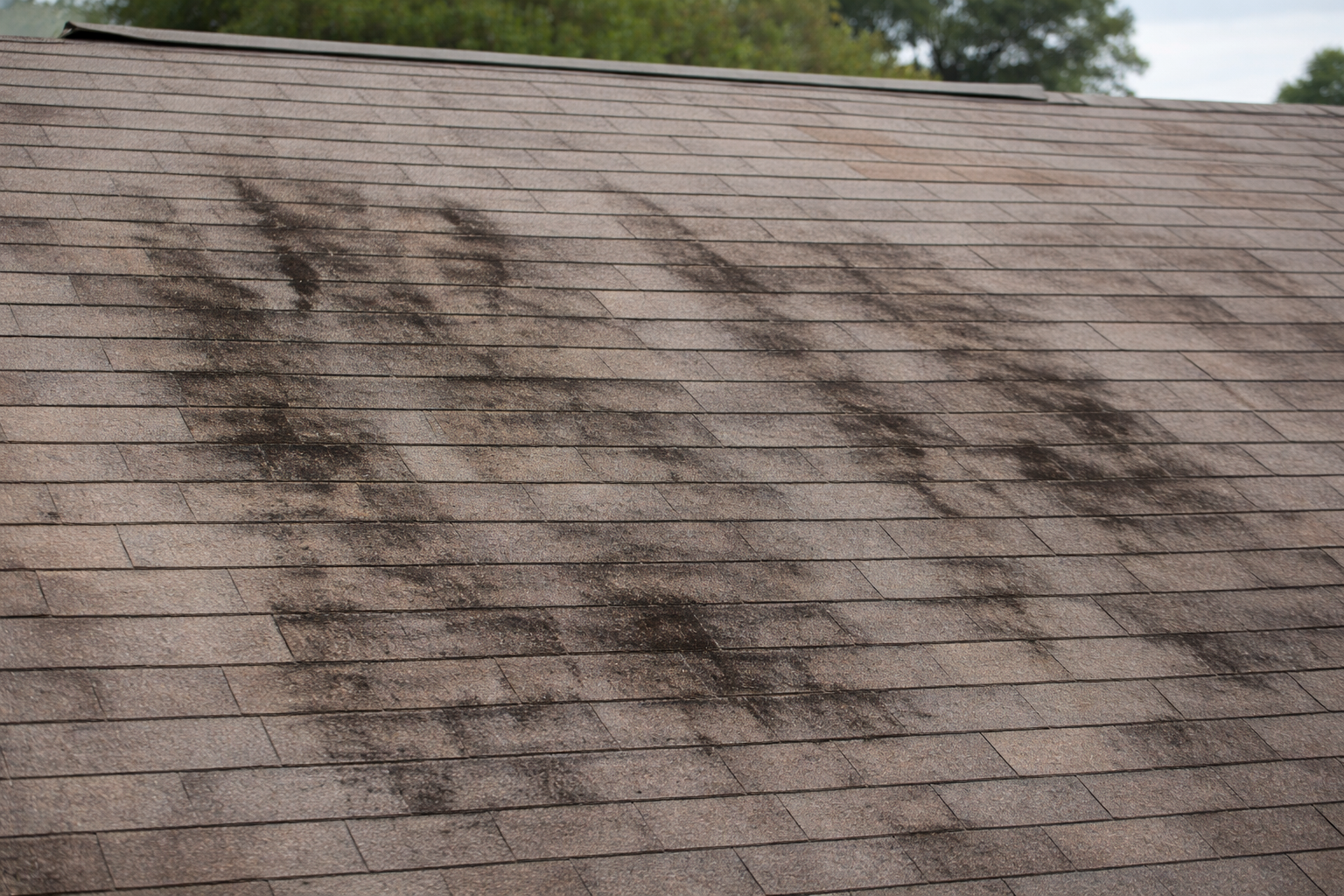
You’re hearing your roof is “near end of life,” but it still looks fine from the yard. Roof rejuvenation is a treatment that conditions aging asphalt shingles, while roof replacement is a tear-off and rebuild of the entire roof system.
That difference matters when you’re weighing quotes in Wilmington’s wind-driven rain and hurricane seasons. A rejuvenation treatment targets the shingle material itself, aiming to reduce brittleness and slow granule loss, but it doesn’t swap out underlayment or correct leak paths at flashings and penetrations. In the sections below, you’ll learn what rejuvenation changes and when replacement is the safer call.
Roof Rejuvenation vs Roof Replacement
Roof rejuvenation is an asphalt shingle roof rejuvenation treatment applied to asphalt shingles to condition the shingle material itself, aiming to reduce brittleness and slow wear so the roof can keep performing longer. Roof replacement is a construction project: you remove the old roofing and rebuild the roof system with new shingles plus the layers and details that keep water out.
That line matters in any roof rejuvenation vs replacement decision because it’s easy to think, “If the shingles get treated, the roof is fixed,” but that’s just kicking the can down the road. It isn’t. It’s like repainting a chimney cap while the flashing still leaks.
| Factor | Roof rejuvenation | Roof replacement |
|---|---|---|
| What it is | Conditioning treatment applied to asphalt shingles | Tear-off and rebuild of the roof system |
| What it changes | Shingle flexibility/brittleness and granule retention | Shingles plus underlayment and other water-shedding layers/details |
| What it does not do | Does not replace underlayment or repair rotten decking; does not automatically correct leak paths at flashings/penetrations | Not applicable (system is rebuilt; hidden damage can be uncovered at tear-off) |
| Best fit | No active leaks; shingles aging but system details appear sound | Recurring leaks, soft/rotten decking signs, multiple suspect penetrations, widespread storm-related lifting |
| Primary tradeoff | Buys time by slowing shingle aging, but won’t “reset” the whole system | Higher disruption/project scope, but resets the system and addresses hidden issues |
A rejuvenation treatment leaves the underlayment and decking as-is, even if either is compromised. It also won’t automatically fix leak paths at flashings, penetrations, chimneys, or valleys. If your goal is to reset the whole system and uncover hidden damage, only replacement does that.
What Rejuvenation Actually Changes

One lab-style test summary reported 53% less granule loss and 66.7% better cold-weather flexibility on treated shingles versus untreated ones. That kind of measurable shift is the real promise, not a reset of everything underneath the shingles.
Most rejuvenation programs are meant to add a manageable number of years, not eliminate the eventual need for a new roof. Read more in our article: Roof Rejuvenation Results Last
Rejuvenation targets the shingle, not the whole roof system, as product documentation for a soy-based rejuvenator describes a chemically modified soybean oil emulsion designed to react with and restore asphalt shingles. Specifically, oil or bio-based treatments aim to recondition the asphalt so it stays more flexible (less brittle in cooler weather and after years of sun) and holds granules better (slowing the sand-like shedding that exposes the shingle to faster UV wear). For example, a lab-style study summary on a bio-based rejuvenator reported lower granule loss and better cold-weather flexibility in treated shingles versus untreated ones.
Practically, you’re not buying “a new roof,” and pretending you are is wishful thinking. You’re paying to slow a specific aging mode, the kind Consumer Reports home improvement guidance warns homeowners to separate from true system failure.
When Rejuvenation Is a Smart Call
You get a few more seasons without a tear-off, the roof looks the same from the street, and you can plan the bigger spend on your timeline instead of a leak’s. That only works when the roof is aging, not already failing.
Rejuvenation is a smart call when your roof is still doing its job (no active leaks) and what you’re seeing is “aging shingles,” not “failing roof system.” Case in point: the shingles look dry and a bit washed out, and you’re noticing granules in gutters, but flashings and pipe boots aren’t showing clear failure.
Use it when you want bang for your buck and a little runway before a bigger project. Think of it as a maintenance tune-up, not a full rebuild. Don’t let the roof’s age make the decision for you; let condition decide. If you have curling with exposed fiberglass, widespread cracking/delamination, soft decking spots, or repeated leak repairs, you’ve likely crossed into replacement territory.
When Replacement Is the Safer Bet

You skip replacement to save money, then the first sideways storm drives water through a detail you never knew was compromised and now you are pricing repairs and interior damage at the same time. That’s the trap when the system is the problem, not just the shingles.
Replacement is the safer bet when the question isn’t “Are my shingles dry?” but “Is the roof system still trustworthy?” In coastal North Carolina, wind-driven rain finds small weaknesses fast. A conditioner can’t reveal or reset what’s happening underneath the shingles.
Lean toward replacement if you have any signs that the layers and details that keep water out may be compromised, like recurring leaks (even if they were “fixed”) or widespread lifting after storms. If you’re mainly trying to avoid a tear-off because the roof doesn’t look that bad from the yard, you’re optimizing for the wrong risk, and BBB ratings won’t save you from that math, some technical coverage also notes that while flexibility benefits may test well, fire-rating equivalency after treatment is not typically certified the same way as a Class A shingle assembly. The expensive problems are often the ones you can’t see until you open it up.
Recurring leaks around penetrations and flashing details are a strong sign the issue is in the roof system, not just the shingle surface. Read more in our article: Roof Leaks Chimneys Vents
How to Choose in Wilmington, NC
A Wilmington homeowner gets two quotes: one promises a quick spray, the other insists on a roof rejuvenation process that starts with a slow inspection around flashings and penetrations. After the next wind-driven rain, only one of those approaches still looks like a bargain.
In Wilmington’s wind-driven rain and hurricane seasons, don’t start by choosing rejuvenation or replacement. Start with a roof inspection in Wilmington, NC to confirm the roof system is sound enough to treat. It’s “get an inspection that tells you whether your roof system is sound enough to treat.” The cheapest quote can turn into the most expensive decision if you skip the homework and it ignores the details where coastal leaks usually start.
A thorough inspection should include checks at flashings, penetrations, and other transition points where wind-driven rain typically finds its way in first. Read more in our article: Typical Roof Inspection
Bring this checklist to every estimate and ask for answers in writing
-
Candidate screening: “What specific conditions would disqualify this roof from rejuvenation?” (active leaks, soft decking, widespread cracking/delamination, exposed fiberglass, failing flashings)
-
Scope beyond the spray: “What repairs are included?” (pipe boots and step flashing touch-ups)
-
Reapplication cadence: “What’s the expected interval here?” (many programs frame it as about every 5 years, not a one-time fix)
-
Measured expectations: “What should change that we can verify?” (less brittleness and slower granule loss)
-
Warranty and coverage: “What does the warranty actually cover, and what does it explicitly exclude?” Get leak-related language clarified.
-
Replacement transparency: If recommending replacement, ask: “What hidden issues are you expecting to find at tear-off, and how will you price decking replacement?”
The fix is often simpler than it looks. Our Wilmington roof rejuvenation team starts with a free inspection and a written report.