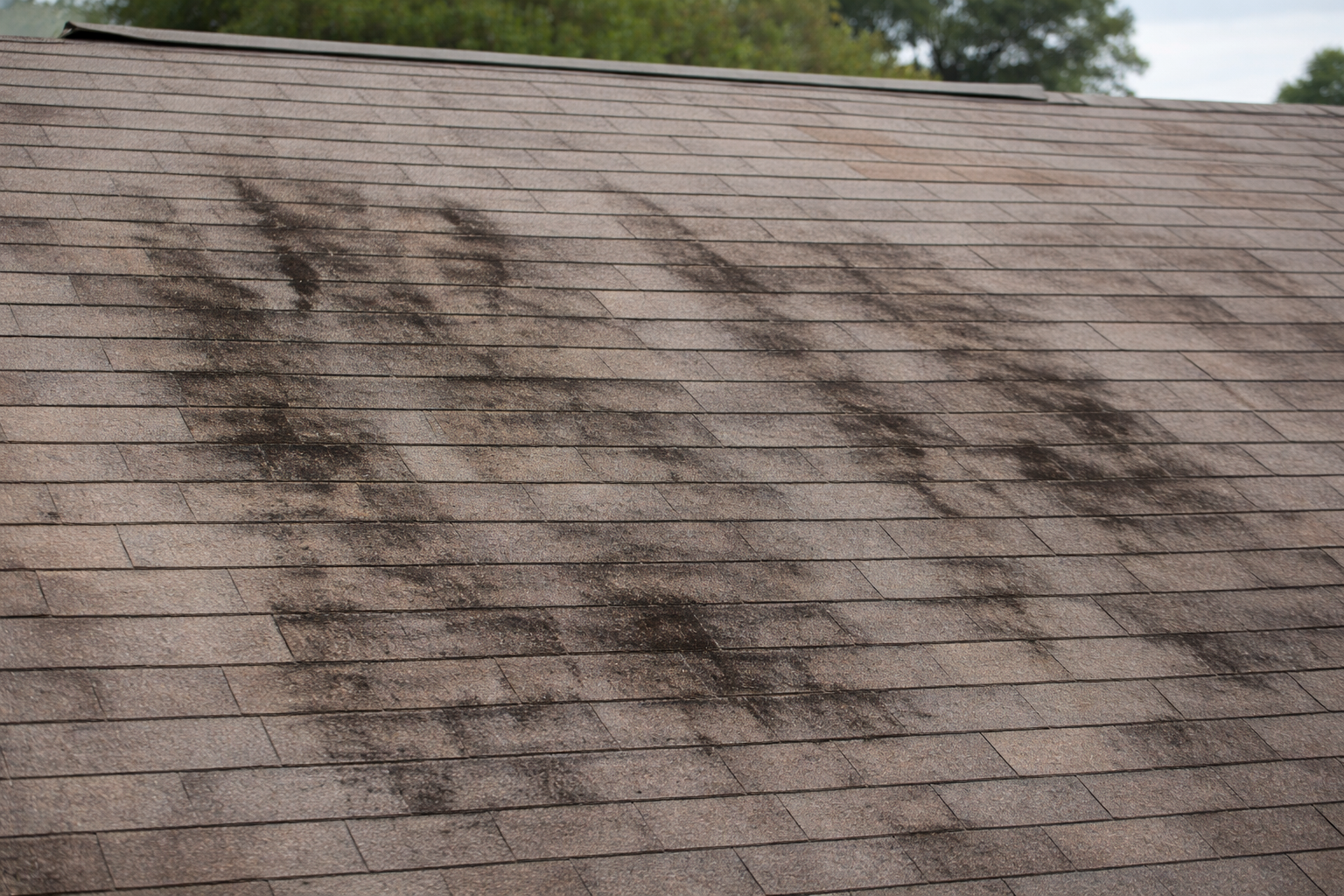
If you’re weighing roof rejuvenation because your shingles look “okay” but you’ve been told they’re near end of life, you’re really asking one thing: how many dependable years you can buy before you have to replace the roof. In most cases, you should expect a rejuvenation to buy roughly about 5 years per application, while a full replacement typically puts you back on a 15–20 year service-life track for asphalt shingles in coastal North Carolina.
| Option | What it typically buys you (coastal NC) | What it does to your roof “timeline” |
|---|---|---|
| Roof rejuvenation (per application) | ~5 years | Extends usable mid-life if the roof is still performing; does not reset age to zero |
| Full roof replacement | 15–20 years | Resets the roof system and starts a new-roof cycle |
That difference exists because rejuvenation doesn’t reset your roof system; it only extends the useful middle of its life if the roof is still performing, your roof rejuvenation lifespan is still tied to the underlying condition. The practical question isn’t whether rejuvenation “works” in the abstract. It’s whether you’re trying to delay the decision or get a true fresh start that also addresses the weak points that cause leaks in this climate, like flashing and penetrations.
The Real Timeline: ~5 Years vs a New Roof Cycle

Most rejuvenation treatments add roughly 5 years of usable service life per application. That’s materially different from replacing the roof. With replacement, the system starts over and you’re back on a new-roof cycle. In coastal North Carolina, that cycle often lands closer to 15–20 years than the national “30-year roof” talk, and that marketing line is flat-out misleading.
What people miss is that a “year” of extension isn’t the same thing as a system reset. A rejuvenation doesn’t rewind age to zero; it’s closer to extending the middle of the roof’s life if the shingles are still in decent shape. Practically, you should ask for a ballpark number: are you trying to get one more decision window (about five years), or do you need the fresh-start runway that comes with a replacement?
When “5 Years” Is Realistic

A homeowner on the coast hears “up to five years,” budgets for it, and then finds out too late that the roof’s issues were never about shingle dryness. The difference between a clean five-year runway and an expensive surprise usually shows up in the conditions you can verify now.
That ~5-year bump tends to hold only when the roof is structurally sound and the issue is age-related drying rather than active water intrusion. Case in point: a 12–18-year-old coastal shingle roof that looks tired but still lies flat and sheds water can be a good candidate, while a roof that’s already failing won’t turn into a new system because it got treated.
You’re usually in the realistic window if you have no active leaks and shingles are mostly intact (no widespread cracking or exposed fiberglass). Problems should be isolated and fixable (a few damaged tabs or minor nail pops), not a whole roofline that’s coming unzipped at the details.
In coastal North Carolina, the right candidate for rejuvenation is usually a mid-life asphalt roof with tabs still lying flat, limited granule loss, and no active leaks. Read more in our article: Roof Rejuvenation Candidate
Coastal North Carolina Realities That Shorten Both Options
In Wilmington-area neighborhoods, your roof doesn’t age like the “average American roof” you read about on Angi (formerly Angie’s List). The combination of high humidity, wind-driven rain, and salt carried inland on coastal breezes (and the resulting salt air roof damage repair needs) keeps shingles and roof details in a steady cycle of wetting, drying, and storm stress. That exposure compresses the real-world timeline for both options. A rejuvenation pencils out only if the roof stays tight through the next few hurricane seasons, not if the product label says it should.
The trap is thinking a new roof automatically buys you 25 to 30 carefree years, or that a treatment “adds five” no matter what. In this climate, the weakest links often show up first at the edges and penetrations, not in the middle of a shingle field. For instance, one hard Nor’easter can turn a small issue, like slightly lifted tabs on a ridge line or tired pipe boot rubber, into a leak event even when the shingles still look decent from the driveway.
What you can do differently is calibrate your timeline to coastal stress instead of national averages: keep photo documentation after major storms and schedule periodic roof checks (especially after named storms). When you compare options, ask how often to reapply roof rejuvenation and what the plan is for the parts that coastal weather punishes most, like flashing transitions and ridge/hip caps. If your decision is driven by an inspection or insurance renewal, treat that paperwork and condition proof as part of the lifespan equation. Without that documentation, the timeline you’re counting on can collapse fast.
Salt, humidity, and wind-driven rain can accelerate oxidation and granule loss, which is why coastal roofs often underperform “30-year” expectations. Read more in our article: Salt Air Humidity Shingles
Roof Rejuvenation vs Replacement: A Decision Framework

You get to plan the next few years on your schedule, instead of letting the next storm or deadline force your hand. The goal is a choice you can live with even if the weather turns ugly.
Use this one lens: are you buying time, or buying a reset? Rejuvenation makes sense when you want a controlled, shorter runway and your roof is still performing as a system. Replacement makes sense when you need to reduce uncertainty by resetting not just shingles, but the weak points that cause real failures. That is the only sane way to buy reliability in this climate.
Start with the reality you can’t wish away: in coastal North Carolina, the decision often hinges less on how “old” the shingle field looks and more on whether the roof can stay watertight through the next few storm seasons. For example, if you’re trying to get through a near-term insurance renewal or you’re lining up a solar install next year, a rejuvenation plus targeted tune-ups can be a practical bridge, but only if your roof has no active leaks and issues stay isolated, not just “looks fine” on Nextdoor neighborhood recommendations.
Choose rejuvenation when you’d be happy with ~5 more years and you’re willing to get ahead of it when a detail starts to fail. Choose replacement when you need a longer, lower-drama horizon, you’re seeing broad wear (widespread brittleness, curling, heavy granule loss), or you don’t want your next Nor’easter to decide for you.
What Can End a Rejuvenation Plan Early (Insurance, Leaks, Resale)
Insurance underwriting often starts tightening once a roof gets past roughly 15–20 years, even when it is not actively leaking. That makes the non-roof factors the ones that can end your timeline first.
Even if rejuvenation could buy ~5 years, outside constraints can still wipe out that runway. Underwriting often tightens around 15–20 years, and an active leak may point to flashing or decking failures a spray won’t fix.
Before you spend money to delay replacement, ask your insurer what documentation they accept and keep an inspection report plus dated roof photos for a roof inspection for insurance Wilmington NC. If you plan to sell soon, assume some buyers will discount a “treated, older roof” even if it’s performing today. The deal is not done and dusted just because it passes today.
Insurance deadlines often hinge on clear proof of roof condition, including inspection notes and dated photos that support remaining service life. Read more in our article: Roof Inspection Wilmington Nc
Roof not getting any younger? Contact us or call 703-673-6301 to find out where you stand.Wondering whether your roof qualifies? Our roof rejuvenation in Wilmington NC answers that with a free inspection first.