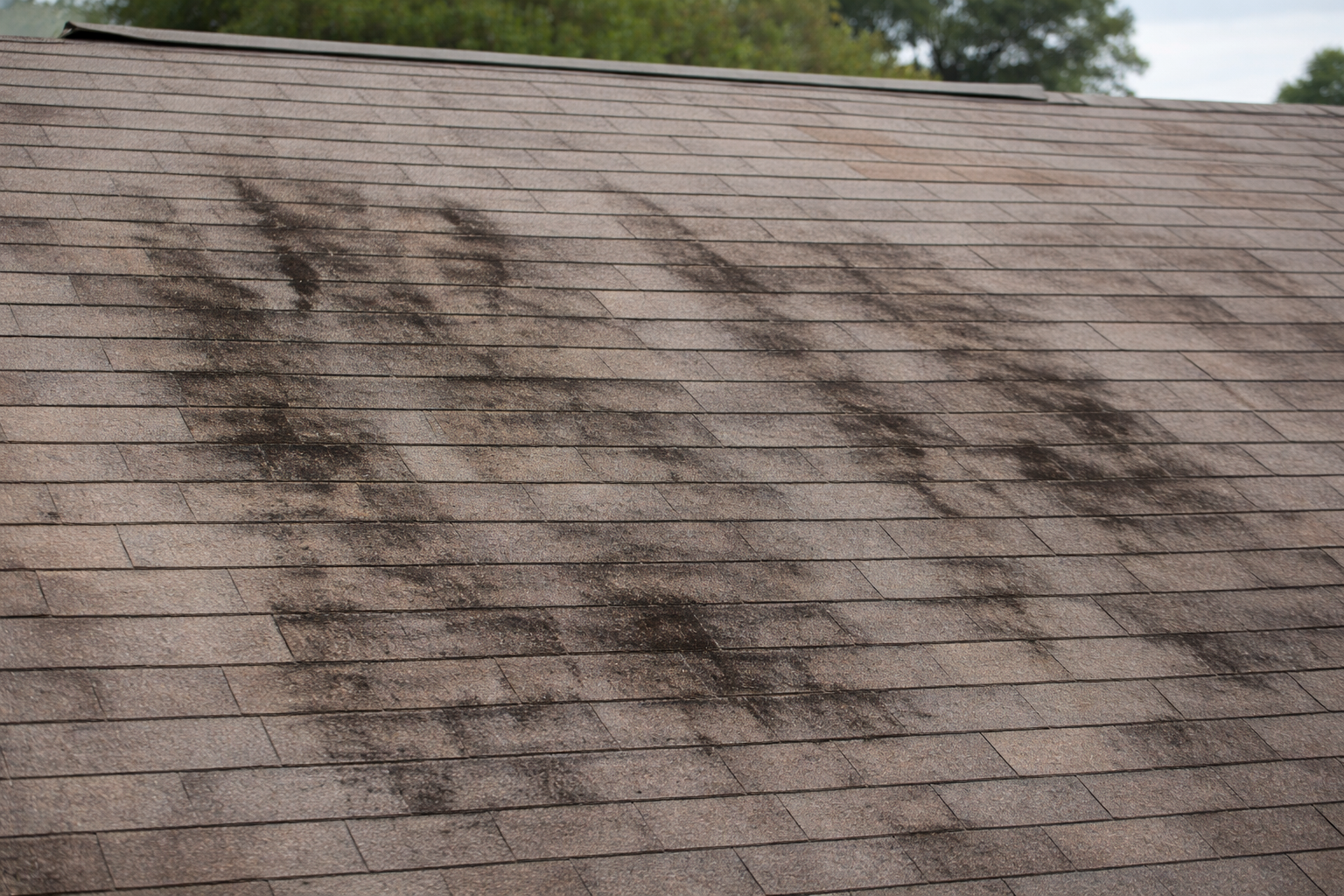
If you’re comparing a rejuvenation treatment to a new roof, you’re really comparing “buy time” versus “reset the system,” like patching a sail before storm season versus re-rigging the whole boat. In coastal North Carolina, a good-candidate rejuvenation typically buys about 3–6 years, while a properly installed new asphalt-shingle roof often gives you a 15–25 year planning window.
That sounds like a simple math problem. It can still fool you. Rejuvenation can improve shingle flexibility, but it won’t magically renew the weak points that usually cause leaks first here, like flashings and pipe boots. In the sections below, you’ll get a cleaner way to judge your real remaining life by separating what “last” means on your roof: shingle condition and leak risk.
What “Last” Means
When you ask how long a rejuvenated roof will last versus a new roof, you’re really asking about three different clocks. Rejuvenation programs typically speak to shingle condition (often flexibility), while replacement resets the whole roof system, a roof rejuvenation vs replacement difference that matters most at the leak points.
| “Clock” you’re measuring | What it means | What it predicts best |
|---|---|---|
| Shingle flexibility/appearance | Whether shingles feel less brittle and look less “tired.” | Shingle surface/condition changes (not overall leak-proofing) |
| Leak risk | Whether water will stay out around weak points (flashing, pipe boots, nail pops, valleys, vents). | Likelihood of leaks in your planning window |
| Full-system remaining life | How much time you have before multiple components are aging out together. | When a full replacement becomes the practical reset |
If you treat “flexible shingles” as the same thing as “leak-free roof,” you can talk yourself into a false sense of security. And no, a 5-year claim in an Owens Corning shingle warranty brochure does not equal 5 years of leak protection. In Wilmington’s wind-driven rain and humidity, the part that fails first is often the detailing and penetrations, not the field shingles you see from the yard.
In coastal NC, the fastest way to cut uncertainty is a documented inspection that calls out penetrations, flashings, and early leak markers before you commit to “buying time.” Read more in our article: Typical Roof Inspection
Roof Rejuvenation Lifespan Expectations

On a roof that’s still a good candidate, a single rejuvenation treatment typically buys you about 3–6 years of added service, how long does roof rejuvenation last in practical terms for many homes here (many programs position a single application around 5–6 years). It mostly delays the bigger decision, with many programs built around re-treating every 5 years or so. That’s real time you can use, but it’s not a reset to “new roof” longevity.
What changes most is shingle condition. It’s like conditioning old leather boots. What usually doesn’t change is the lifespan of the parts that trigger leaks first: pipe boots, flashing, fasteners, underlayment, and ventilation-related moisture issues. If you’re counting on rejuvenation to deliver a leak-free guarantee, you’re measuring the wrong thing.
New Roof Lifespan in Coastal NC
A “30-year roof” often doesn’t live like a 30-year roof in the real world, especially when humidity, algae, and storm cycles are part of the deal. In practice, many sources put real-world service life closer to ~18–25 years, with coastal exposure sometimes tightening that to ~15–20 (see one explainer on how a “30-year roof” can really land closer to ~18–25 years depending on conditions).
A “25–30 year” asphalt shingle label is a warranty category, not a prediction, and anyone treating the Owens Corning spec sheets like a crystal ball is kidding themselves in Wilmington’s humidity and wind-driven rain. Real-world results often come in around ~18–25 years of service life in coastal conditions. With light maintenance or heavy sun and storms, coastal exposure can push that closer to ~15–20 years.
In Wilmington’s coastal exposure, salt air and humidity can accelerate shingle aging and make “warranty years” feel shorter in real-world planning. Read more in our article: Salt Air Humidity Shingles
The mindset shift you need is this: if you plan your finances and disruption around the number printed on the bundle, you’ll likely overestimate how long you can ignore small failures like pipe-boot cracking, lifted edges after a blow, or a slow-developing ventilation moisture issue. A more useful way to plan is to treat a new asphalt roof as a 15–25 year decision window here, then adjust up or down based on shingle type (3-tab vs. architectural) and how aggressively you maintain and inspect it, ideally with a roof inspection Wilmington NC homeowners can document.
Roof Rejuvenation vs Replacement: decide with a remaining-life framework

Picture the first hard rain after you’ve told yourself you’re “probably fine for a few more seasons,” and the drip shows up in the one spot you can’t easily access. The decision gets clearer when you price in how much surprise you can afford and how much uncertainty you can tolerate.
Decide by asking one question: are you trying to buy a few predictable years, or are you trying to reset the roof system? Rejuvenation makes sense when your roof still sheds water reliably and you mainly need time, often ~3–6 years, to hit a planned window (sale, remodel, budget cycle). A new roof makes sense when your remaining life is already getting eaten by system failures, because replacement doesn’t just refresh shingles, it refreshes the parts that usually end the roof first in coastal NC.
Use your timeline to break the tie. Use your risk tolerance to break it again. If you’d lose sleep over a surprise leak during a nor’easter, this is pay now or pay later: treat any active leaking or recurring repairs as a signal that “buying time” is turning into gambling. If you can tolerate some uncertainty and your roof is roughly in that midlife range (often around 12–18 years for many homes), rejuvenation plus a targeted roof tune up service can be a rational bridge. The practical move: write down how many years you need, then ask, “What’s the most likely reason it fails in that window: shingles, or flashings/penetrations?”
Small recurring repairs can quietly compound risk because the next leak often shows up at a different weak point than the last one you fixed. Read more in our article: Small Roof Repair Risks
FAQs
Does A Rejuvenation Warranty Mean You’re Covered From Leaks?
Usually not, this is where roof rejuvenation warranty language matters most (some industry-oriented critiques note warranties may emphasize shingle condition/flexibility rather than leak-free performance). Many rejuvenation warranties focus on shingle condition (like flexibility) rather than guaranteeing leak-free performance, so you still carry most of the risk at flashings and pipe boots.
Will Rejuvenation Help With Insurance Or Claims The Way A New Roof Does?
A homeowner tries to explain to an adjuster that the roof was “treated last year,” and hears a pause before the next question: “Do you have proof of replacement?” When paperwork and underwriting rules collide, the roof story that feels reasonable to you can still fall flat.
Don’t count on it. Many insurers care about roof age and documented replacement more than a treatment. Verbal assurances are worthless, so ask your carrier in writing and sanity-check the roofer’s promises against recent Google Reviews.
How Often Would You Need To Re-Treat To Keep Getting Life Extension?
Most programs position one treatment at about 5–6 years, with repeat applications often marketed around every 5 years to reach a higher total extension on the right roof. In practice, plan as if you’re buying a few years at a time, not restarting the clock.
When Is Rejuvenation A Bad Bet?
If you already have active leaks, missing shingles, or exposed fiberglass, you’re past the point where a conditioner can change the outcome, regardless of roof rejuvenation lifespan claims. It’s also a poor trade if the roof’s weak points are system issues you can’t “spray away,” like failing flashings, recurring nail pops, soft decking, or chronic ventilation moisture in the attic.
Roof not getting any younger? Contact us or call 703-673-6301 to find out where you stand.One day of work from HardShore’s roof rejuvenation in Wilmington NC beats a month of tear-off quotes when the roof still has life left.