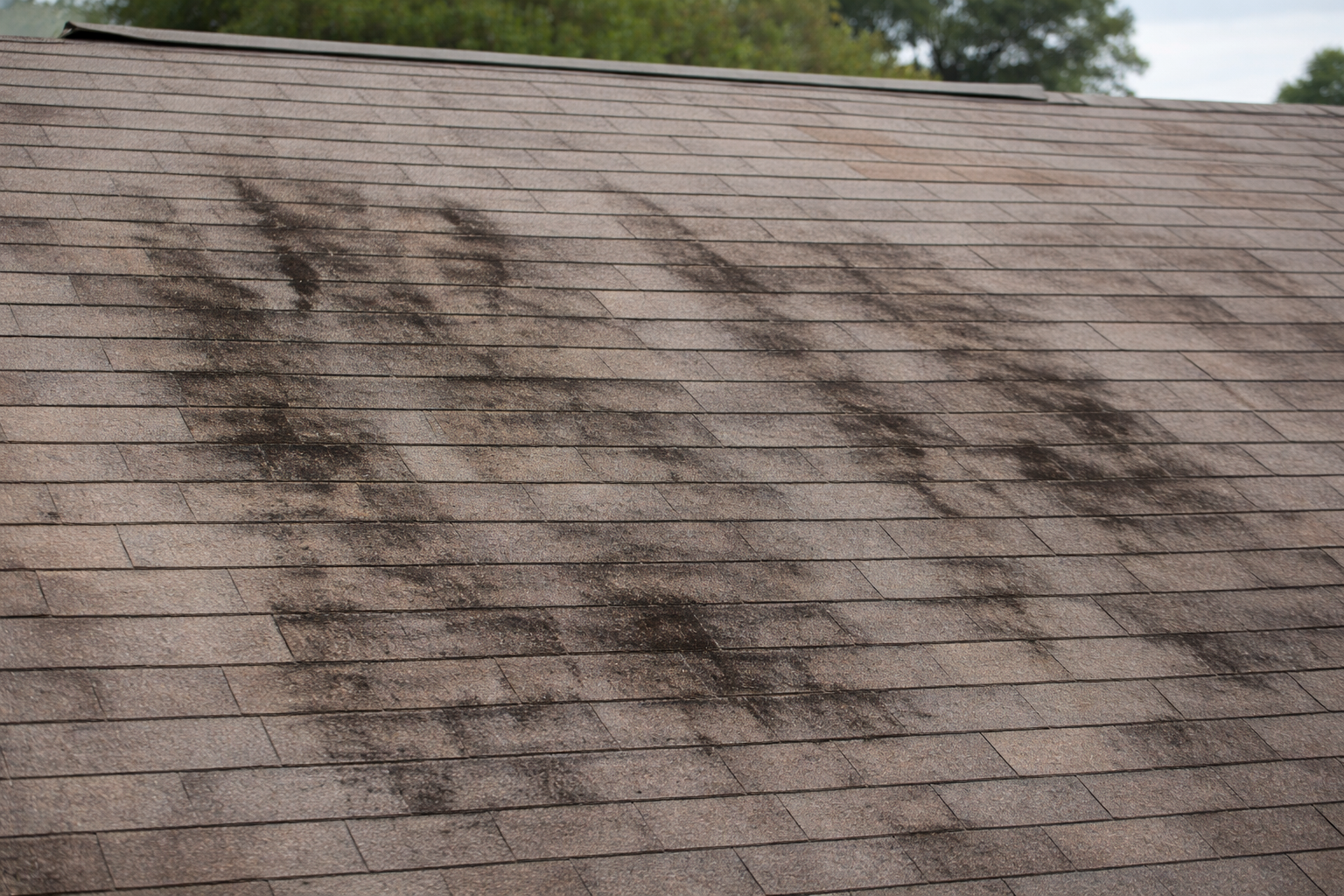
You can rejuvenate your roof instead of replacing it if your shingles are aging but still doing their job. That means no active leaks and no widespread end-stage shingle breakdown. If water-control details are failing or shingles are coming apart, you need repairs or replacement first.
The hard part is that Wilmington’s sun, humidity, and salt air can make a roof look spent even when it’s still holding. It can look rough (algae streaks, a dry surface, some granule thinning) like a sun-bleached dock line and still be structurally sound. In the sections below, you’ll learn the quick disqualifiers to spot from the ground and what a credible inspection must document so you don’t pay for a spray when the real problem is flashing or rot.
The Short Checklist: Qualify or Disqualify
You can spend money on roof rejuvenation and still end up paying for repairs if the real failure is water getting in through details you cannot see from the street. A quick scan helps you rule it out early, so you don’t treat a roof that’s already beyond maintenance.
| Quick check | Likely qualifies for rejuvenation | Likely disqualifies (repairs/replacement first) |
|---|---|---|
| Leaks / interior signs | No active leaks or ceiling stains | Active leaks, ceiling stains, attic evidence of water/compromise |
| Shingle integrity | Shingles mostly lie flat and stay attached | Widespread curling, cracking, delamination, or lots of loose/missing shingles |
| Granules / fiberglass | Light-to-moderate granule loss (not bald) | Bald areas with fiberglass showing |
| Details / deck | Water-control details appear intact; deck feels sound | Soft spots in decking; multiple failing penetrations (pipe boots/flashing) |
What ‘Rejuvenatable’ Shingles Look Like

Rejuvenatable shingles usually look tired, not broken: for asphalt shingle rejuvenation, the roof still lies mostly flat and you see light-to-moderate granule thinning rather than bald patches. In Wilmington’s sun and salt air, that often shows up as a “dry” surface and algae staining while the shingle structure still holds together.
From the ground, look for straight, even shadow lines that read as clean overlaps, not courses that look wavy, ragged, or patchy. If it’s visually behaving like a roof, you’re evaluating aging; if it’s visually coming apart, you’re past maintenance.
Wilmington’s Coastal Wear Patterns

A homeowner in Wilmington sees black streaks after a muggy summer and assumes the roof is done, but then gets two wildly different opinions. What matters is whether you’re seeing cosmetic aging or a system that’s losing shape and seal.
Wilmington’s mix of UV, humidity, and salt air can age asphalt shingles in a lopsided way (salt air roof damage shingles): you’ll often see dark algae streaking and a chalky “dried out” surface even when the roof still lies flat and holds its shape. So a dirty-looking roof alone isn’t a replacement trigger.
Coastal exposure becomes a deal-breaker when it shows up as function, not cosmetics: widespread lifted edges after wind events, brittle cracking across many tabs, or bare spots where granules are gone to the point you’re close to fiberglass. If your north slope looks stained but intact while your south slope looks patchy and thinning, get a second set of eyes on it. Treat each slope separately like two different weather maps before you decide.
Cosmetic streaking can hide perfectly serviceable shingles, so it helps to separate normal aging from true storm or salt-driven damage before you make a replacement call. Read more in our article: Salt Air Humidity Shingles
The Inspection That Settles It
In one PRI-commissioned accelerated-weathering study on 15-year-old shingles, treated samples showed about 53% less granule loss than untreated, and a reported 66.7% improvement in cold-weather pliability. Numbers like that only matter if an inspection proves your roof is in the “drying out” lane, not the “already failing” lane.
A credible roof inspection for rejuvenation goes beyond a driveway look-over. It documents whether you have an aging shingle problem (drying out, moderate granule loss) or a water-control problem (details failing). Google Reviews won’t replace photos you can compare across bids.
At minimum, you should get proof of these checks for roof rejuvenation Wilmington NC: shingle condition by slope (granule loss and any fiberglass exposure), flashings and penetrations (chimney and pipe boots), and the deck from inside the attic (stains and soft spots). Case in point: a roof can look “old” on the south slope but still qualify, while one bad valley or pipe boot can force repairs or replacement first.
No labeled photos and no specific disqualifiers means it’s a sales pitch, not an evaluation. HomeAdvisor / Angi leads and smooth talk still add up to a sales outcome.
A real roof evaluation should include photos of flashings, penetrations, and attic decking so you can compare findings across estimates. Read more in our article: Roof Inspection Wilmington Nc
Rejuvenation vs Replacement: The Decision Triggers
When you pick the right trigger, you avoid the worst outcome: paying twice, once for a short-lived stopgap and again for the fix you needed all along—this is how to tell if roof needs replacement. Match the option to the failure mode, then factor in constraints like insurance or a closing timeline.
If your inspection shows the roof is still functionally intact (shingles mostly flat and bonded and no active leaks), roof rejuvenation vs replacement comes down to this: rejuvenation is a rational maintenance play because you’re trying to slow aging, not reverse failure. By way of example, a 12–16-year roof with algae staining and moderate granule thinning on the south slope can be a good candidate if the details that actually keep water out (valleys, flashings, pipe boots) check out.
Replacement becomes the smarter trigger when “saving it” increases risk or repeats costs. Choose replacement if you have any of these
-
Active leaking or evidence the deck system is compromised (attic stains, soft sheathing)
-
End-stage shingle breakdown (widespread curling, cracking, delamination, or bald fiberglass showing)
-
Multiple failing details at once (valleys, chimney/step flashing, several penetrations) where the juice isn’t worth the squeeze and patchwork turns the roof into a leaky bucket every storm
-
An insurance or transaction deadline where documentation and roof age gates will squeeze you even if the shingles look decent
If you’re leaning on rejuvenation to avoid water-control failures, you’re not saving money. Even with Owens Corning-level materials, that move just buys a second bill with higher stakes.
Leak paths often start at chimneys, vents, and pipe boots even when the shingles still look mostly flat from the yard. Read more in our article: Roof Leaks Chimneys Vents
Roof not getting any younger? Contact us at Contact us or call 910-241-1152 to find out where you stand.