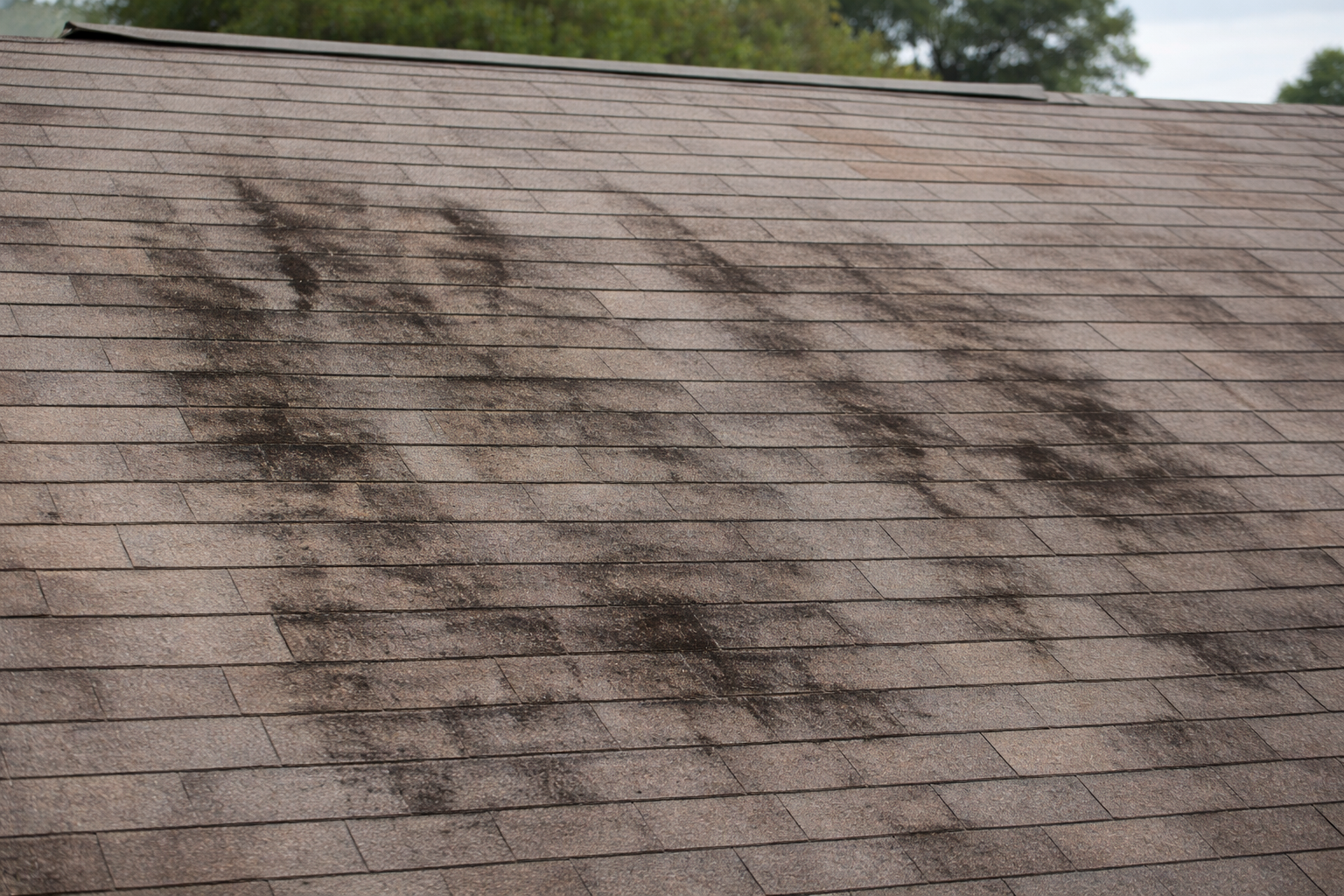
You’re planning to sell soon, so should you treat the roof or replace it? Treating can be worth it if your shingles are still in good shape. Replacing is safer when condition or age could block inspection, insurance, or financing.
What matters most isn’t whether you’ll “get your money back” in Wilmington’s market, it’s whether the roof becomes a negotiation point that shrinks your buyer pool or triggers a last-minute concession. In the sections below, you’ll sort your roof into the right bucket, treatment or full replacement, so you can choose the cheapest credible move that keeps your deal moving to closing.
Roof Treatment vs Replacement Before Selling: Decide by Deal-Risk, Not ROI

If you’re selling soon, the roof isn’t a normal “upgrade” where you chase payback. It’s a turnstile at closing. If an inspector calls out brittle shingles or an insurer flags age, a financed buyer in Wilmington can lose coverage options and your timeline turns into concessions and re-trades. That shifts the roof from a curb-appeal project into a deal-structure problem.
Instead of asking, “Will I recoup this?”, focus on what could stop the deal. Ask: “What’s most likely to show up as a closing blocker?” Ask: “What’s the cheapest credible way to remove it?”
When Roof Treatment Is Worth It
The week you list, two identical homes can feel miles apart to buyers because of one photo: the roof. One seller fixes the story with evidence, the other leaves it to assumptions.
Roof treatment is worth it when your roof is aging but still in good shape, and you need it to present as “serviceable” through showings and closing without spending replacement money. A professional rejuvenation can buy you roughly 5–7 years of added service life in many programs (see Roof Maxx treatment guidance). And in my opinion, chasing HGTV-style curb appeal checklists is the wrong goal if you just need to keep the deal moving.
The fit is narrower than most sellers want to believe. Treatments tend to make sense when the shingles are in that mid-life window for a shingle roof treatment. You have no leaks, and the roof’s biggest problem is visual: dark streaking, dryness, or a “tired” look that makes buyers assume the worst. For instance, if your Wilmington listing photos make the roof look cooked even though the decking is dry and the shingles still have structure, treatment can be a cheaper way to change the first impression.
Treat the roof to lower closing risk, not to chase a dollar-for-dollar payoff.
If your shingles are in that mid-life window, knowing what “normal wear” looks like can keep you from treating a roof that’s already failing. Read more in our article: Normal Shingle Wear Vs Damage
When Replacement Is the Safer Move
You can spend money to make the roof look better and still watch the first inspection turn it into the only thing anyone talks about. That is when the cheapest option becomes the most expensive mistake.
Replacement (or a major, clearly scoped repair) is the safer move when the roof is likely to become a financing or inspection fight. Treatment rarely changes the inspection and insurance facts that drive buyer anxiety. Case in point: a roof can look darker and “refreshed” after a treatment, but if an inspector still finds active leaks or widespread shingle failure, you’ve spent money and kept the same negotiation problem.
| Red flag | Where you’d notice it | Why it’s a deal risk | Safer move |
|---|---|---|---|
| Active leaks, ceiling stains, or soft decking | Attic, ceilings, decking | Points to ongoing moisture/damage that treatment won’t fix | Scoped repair or replacement |
| Widespread curling, cracking, missing tabs, or brittle shingles | Roof surface (shingles) | Signals material failure likely to show up at inspection | Replacement (or major scoped repair) |
| Multiple prior patches in more than one area | Roof surface/records | Suggests systemic failure, not a cosmetic issue | Replacement-oriented plan |
| Roof age already triggering insurer questions | Insurance conversations/market norms | Can restrict coverage/financing regardless of appearance | Replacement or insurable documentation + repair |
If any of those are true, don’t throw good money after bad. You’re not buying “extra years,” you’re buying a bandage on a cracked pipe until the next objection, and that’s rarely the timeline you want while you’re under contract.
Even a small active leak can turn into a major inspection objection once moisture shows up on decking, insulation, or ceilings. Read more in our article: Roof Leak Repair
The Proof Buyers Will Accept

Buyers don’t buy “roof treatment” as a concept. They buy reduced risk. Documentation moves the needle more than better listing photos. Keep a clean packet, because this is my strong view: paperwork beats pretty photos, especially in home inspection reports (four point inspection roof NC or roof-condition sections). Include the paid invoice showing scope and date and a pre-listing roof inspection report or certification if your roof qualifies (see roof certification guidance).
What won’t carry much weight: “it doesn’t leak” or marketing language like “rejuvenated.” An inspector can still flag age and brittleness even if the shingles look darker and cleaner. Your best move is to show condition evidence that stands up when someone asks for it in writing.
A pre-listing inspection can also flag insurer-sensitive items like brittle shingles, aging flashing, or ventilation issues before buyers ever write an offer. Read more in our article: Typical Roof Inspection
A Fast Decision Path for Wilmington Sellers
In Wilmington, many asphalt-shingle replacements fall in a wide band like $9,500–$15,000 (roof replacement cost Wilmington NC; see Wilmington asphalt roof cost estimates), and that spread changes what counts as a “small” pre-listing move. The fastest way to waste time is to wait until a buyer’s inspector forces your hand on their timeline.
If you’re listing in the next 0–90 days, optimize to make it pass inspection, not perfection. Think of it as keeping the deal on the rails. Start in the attic: any active leak or soft decking pushes you to a scoped repair or replacement quote now. If the roof is leak-free and the main issue is age or dryness, book a roof inspection and ask whether it can be certified. When it qualifies, a certification and clean report usually outperform a cosmetic upgrade.
If you’re 3–12 months out, factor hurricane season roof prep and lead times. Don’t bet your closing on a treatment or certification you haven’t scheduled yet; if you can’t confidently document condition before peak storm months, replacement becomes the lower-drama path.
Roof not getting any younger? Contact us or call 703-673-6301 to find out where you stand.