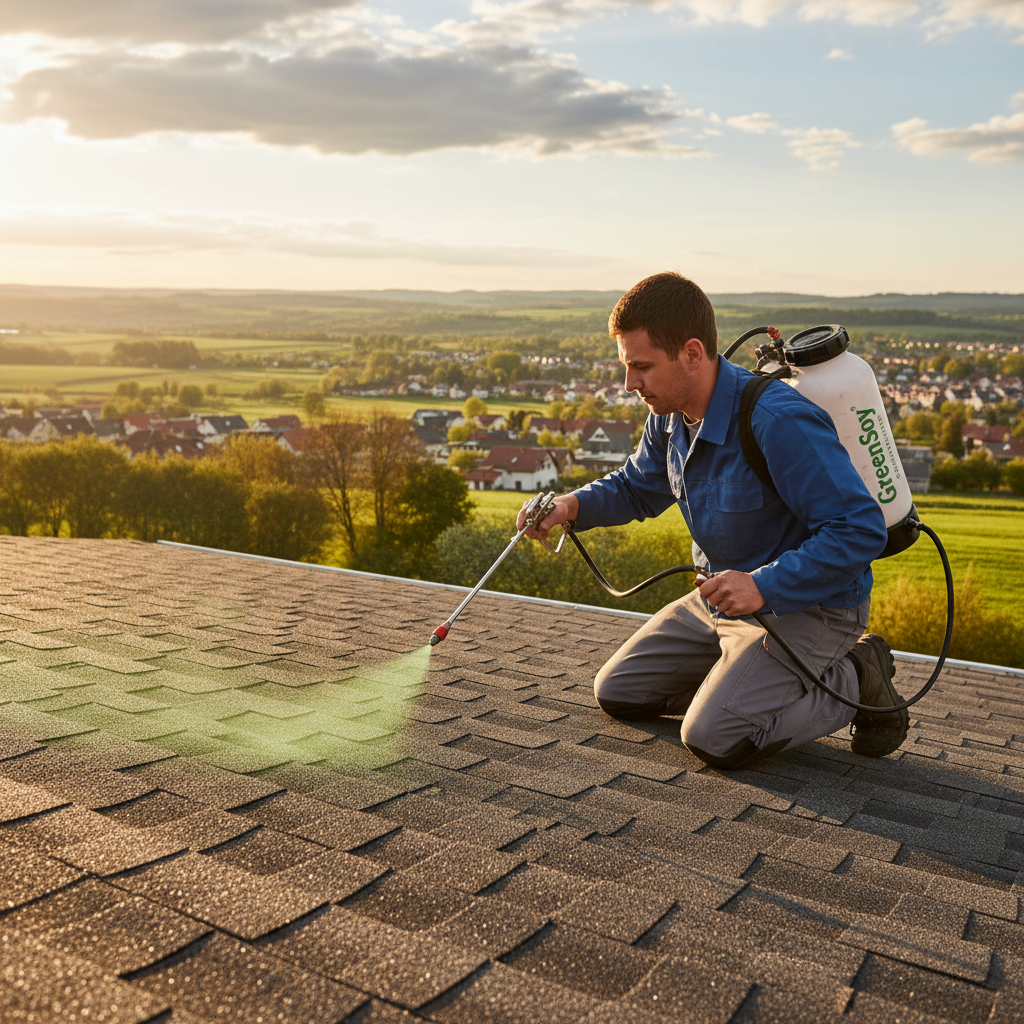
You’re asking if a sealer can make a wet surface less slippery. Yes, but only with the right system. Many sealers make wet traction worse (in other words, a sealer makes concrete slippery in some cases).
If your patio or concrete feels like ice after dew or rain, that’s a slippery slope. The details matter: a glossy, film-forming “wet look” coat can act like a rain jacket over texture, while a penetrating sealer may preserve more grip. If the slick surface you mean is your asphalt shingle roof, a sealer usually isn’t a safety upgrade at all. You’ll get a clearer answer by matching the product to the surface and looking for real wet-traction proof instead of marketing.
When a Sealer Makes It Worse
You seal the surface to protect it, the first wet morning hits, and suddenly the same walkway that felt fine yesterday is a careful-shuffle hazard. That whiplash is usually a sign the coating changed the surface texture, not the weather.
Film-forming topical sealers can reduce the tiny surface texture you rely on for grip, especially once water and fine debris create a slick layer. Read more in our article: When a sealer makes concrete slippery in some cases
Sometimes the sealer is the reason the wet surface gets slicker. It happens when it forms a smooth film on top of the surface. Glossy or “wet look” topical coatings can fill in the tiny texture you rely on for grip, then turn into a slick skin once rain or pollen film shows up. For example, a stamped patio or paver walk that feels fine dry can suddenly feel like ice after you add a shiny coat instead of an anti slip sealer for pavers.
If you’ve been thinking “sealing” automatically means “safer,” flip that: protection and traction aren’t the same feature. Don’t trust “non-slip” marketing without a real wet-traction test value or a stated method for adding texture; if it wouldn’t pass a Consumer Reports-style sniff test, it’s not good enough.
What Actually Improves Wet Traction
One reality check used in the U.S. flooring world is ANSI A326.3, where wet DCOF 0.42 is a common benchmark for level areas expected to be walked on when wet. If a product promises “non-slip” but offers no test method or number, you’re guessing.
Penetrating sealers tend to preserve more of the concrete’s natural texture than acrylic “wet look” films, which can help you avoid unintended slickness. Read more in our article: Concrete Penetrating Sealer
| Evidence-backed lever | What it is | Why it can help wet traction | Key cautions / what to look for |
|---|---|---|---|
| Add micro-texture (traction media/grit) | Grit mixed into a coating or broadcast onto it as a non slip sealer additive | Creates micro-texture so water/pollen film is less likely to turn the surface into a slick skin | Must be compatible with the coating; can change appearance/feel; confirm a stated method for adding texture and a wet-traction test method/number (e.g., ANSI A326.3 wet DCOF) |
| Use a lower-sheen/thinner system | Lower-sheen or thinner coat that doesn’t create a smooth, glossy film | Less likely to fill/erase the tiny texture you rely on for grip | “Wet look”/glossy topical films can reduce traction; don’t rely on “non-slip” marketing without test info |
| Choose a slip resistant sealer for concrete | Sealer that soaks in rather than forming a film on top | Preserves more of the original surface feel underfoot | Still verify how the product addresses wet traction and whether any wet-traction testing is provided |
Roof Sealer vs Walking Safety
Someone treats their roof hoping for more grip, then discovers the shingles are slicker on the next dewy morning.
If you’re being pitched a roof treatment as a way to make shingles safer to walk on, the first question should be what the product does to wet traction under dew and rain. Read more in our article: Walk On Asphalt Shingles That’s a common outcome because many roof products explicitly warn they can be slippery when wet.
If the slippery surface is your asphalt shingle roof, a sealer usually isn’t a safety upgrade. Those same documents often warn that coatings can reduce wet traction on shingles, including during dew-heavy or algae-prone conditions.
Instead, treat “I need more grip” as a cue to change the plan for how to prevent slipping on roof. Avoid walking the roof, and hire a crew that uses roof-specific fall protection and access methods. If a service pitch implies sealing will make the roof safer to walk, push back hard or walk away; even if they name-drop GAF, that claim is still reckless.
Roof not getting any younger? Contact us or call 703-673-6301 to find out where you stand.