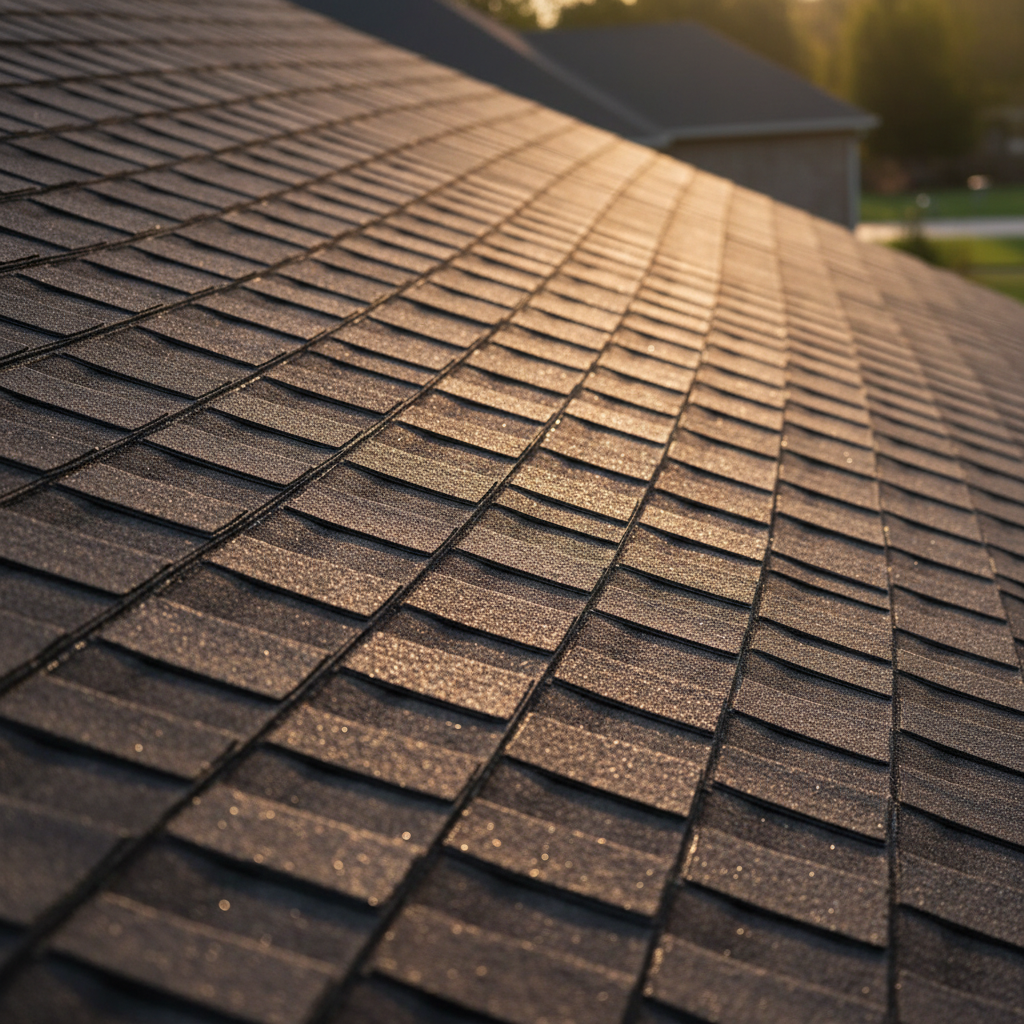
If your shingles are “drying out,” you don’t maintain them with a coating. You maintain the conditions that keep cooking and stressing them.
In coastal North Carolina, that usually means cutting attic heat and cleaning in ways that don’t strip protective granules. This guide focuses on the maintenance that buys you time: getting ventilation close to a healthy baseline and controlling algae and grime with low-pressure softwashing instead of pressure washing.
The Maintenance Priorities That Matter Most
A neighbor spends good money on a roof “rejuvenation,” then watches the same chalky, tired look creep back within a couple of seasons because nothing around the roof changed. The fastest wins usually come from a short list of boring fixes you keep up with.
If your goal is to keep shingles from “drying out” again, focus on asphalt shingle drying out causes here in coastal North Carolina: heat buildup and long time-wet cycles. Most people chase a spray-on fix to kick the can down the road. Your roof usually lasts longer when you manage the environment around the shingles like you are keeping it out of a slow oven.
| Priority | Do this | Why it matters (coastal NC) | Quick sanity check |
|---|---|---|---|
| Attic heat | Keep ventilation balanced (intake low, exhaust high); aim near 1/300 NFVA baseline | Heat buildup accelerates asphalt binder aging | If you’re clearly under 1/300 NFVA, ventilation is a real maintenance lever |
| Cleaning | Use low-pressure softwash; avoid pressure washing | Reduces algae/grime without stripping protective granules | Ask what pressure/mix they’ll use; avoid turbo nozzles, scraping, or stiff brushing |
| Time-wet | Trim limbs; clear valleys; keep gutters flowing | Shortens how long shingles stay wet, reducing algae and stress | After storms, confirm valleys are clear and downspouts discharge away from the foundation |
Stop Heat-Baking: Attic Ventilation Roof Longevity and Attic Checks

If shingles dried out once, you don’t “maintain” your way out of it with another coating, you manage the heat that cooked the asphalt binder in the first place. In coastal North Carolina, long sunny stretches can push attic temps high enough that the roof ages faster from below. That happens even when the shingles look fine from the street.
Start with balance, not just “more vents,” as roof ventilation to protect shingles is the goal. You want intake low (usually soffits) and exhaust high (ridge or box vents) so air actually moves. A common rule-of-thumb in codes and manufacturer guidance is 1/300 net-free ventilation area (NFVA) for the attic. It is roughly 1 square foot of net vent opening per 300 square feet of attic floor, and I would treat it like a Consumer Reports sanity check for your roof because guessing here is a bad idea. You don’t need to be an engineer to use this as a sanity check, but if you’re clearly far under it, you’ve found a real maintenance lever.
In the attic, look for the easy failures that trap heat: insulation covering soffit baffles or a ridge vent that’s clogged with debris. If you can’t see daylight at the soffit vents from inside (or you see insulation stuffed tight to the roof deck), ask a roofer or insulation contractor to restore clear intake paths and verify the venting is sized as a system, not as random openings.
Balanced intake and exhaust ventilation is one of the few maintenance changes that can lower attic temperatures and slow shingle aging from the underside. Read more in our article: Roof Ventilation Working
Roof Soft Washing vs Pressure Washing Shingles (Without Stripping Granules)
If your shingles already look dried out or brittle, the fastest way to make that problem come back is to “deep clean” the roof like it’s a driveway. The granules are the roof’s wear layer. They are its sunscreen. Once you strip or scrub them off, the asphalt underneath takes more UV and heat, ages faster, and you end up with the same tired, chalky look again, just sooner, so prioritize roof granule loss prevention.
Safe cleaning is less about force and more about chemistry and patience. That means using a low-pressure softwash that kills algae and biofilm without blasting the surface. Many softwash programs for asphalt shingles use roughly 3%–5% active chlorine and rely on dwell time, then a gentle rinse and rain to finish the job. By contrast, pressure washing strong enough to remove growth often runs above ~1,500 PSI, which can accelerate granule loss even if the roof looks great that afternoon, one reason is pressure washing roof shingles bad.
When you call a contractor, don’t ask for the roof to be “pressure washed.” Ask what pressure they’ll use on the shingles and what mix they’ll apply. If they talk about a turbo nozzle, scraping, or a stiff brush to “get it all off today,” insist they do it right the first time. You are paying for cosmetics that can steal lifespan. A quick homeowner reality check: after any cleaning, look in the gutters and at the bottom of downspouts.
Even “light” pressure washing can loosen protective granules and shorten the cosmetic and functional life of an asphalt shingle roof. Read more in our article: Roof Cleaning Without Removing Granules A little grit is normal over years, but a sudden pile of fresh, sand-like granules after the visit is a sign the cleaning method was too aggressive.
Water Moves Fast, Shingles Stay Dry

You want the roof to dry out quickly after every foggy morning and summer storm, not sit damp until lunch, as simple roof moisture buildup prevention. When water and debris have clean exit paths, the roof looks cleaner longer and the shingles take less daily stress.
In coastal North Carolina, even a roof that looks “fine” can stay wet for hours when valleys and gutters don’t shed water and debris quickly. That time-wet cycle feeds algae and keeps shingles stressed, which makes that dried-out look come back sooner.
Twice a year and after big storms, clear valleys of pine needles and leaf litter. Don’t wait for a Nextdoor thread to tell you the obvious because clogged valleys aren’t “just how it is” here. Keep gutters moving by flushing a few feet with a hose and confirming downspouts discharge away from the foundation. If you see granules piling in gutter corners or valleys, treat it as a signal to adjust cleaning habits, not a reason to scrub harder.
After storms, valleys and gutter outlets are the first places to clog with needles and debris, which can keep roof sections wet for hours longer than they should. Read more in our article: Safely Clean Gutters
When to Inspect, Re-Treat, or Replace
Flexibility gains after a rejuvenation treatment are not a set-it-and-forget-it win; they tend to peak in the first 30–90 days and then fade. Timing your checks well is how you catch small issues while they are still cheap.
Inspect from the ground (binoculars help) each spring and late summer. Keep an eye on it after named storms. If you did a rejuvenation treatment, schedule a professional look-over in the first season, since flexibility gains tend to peak in the first 30–90 days and you want to catch problems early, not after the roof re-stiffens.
Call a roofer promptly if you see widespread granules collecting at downspouts or tabs that curl or lift, common signs roof shingles are brittle. Plan for replacement instead of another treatment if brittle cracking spreads, you find recurring blow-offs, or your contractor flags loss of granule coverage that exposes shiny asphalt. The roof is telling you what it is, and making it look better can shorten what life is left.
Roof not getting any younger? Contact us or call 703-673-6301 to find out where you stand.When in doubt, our free roof check in Wilmington costs nothing and settles the question.