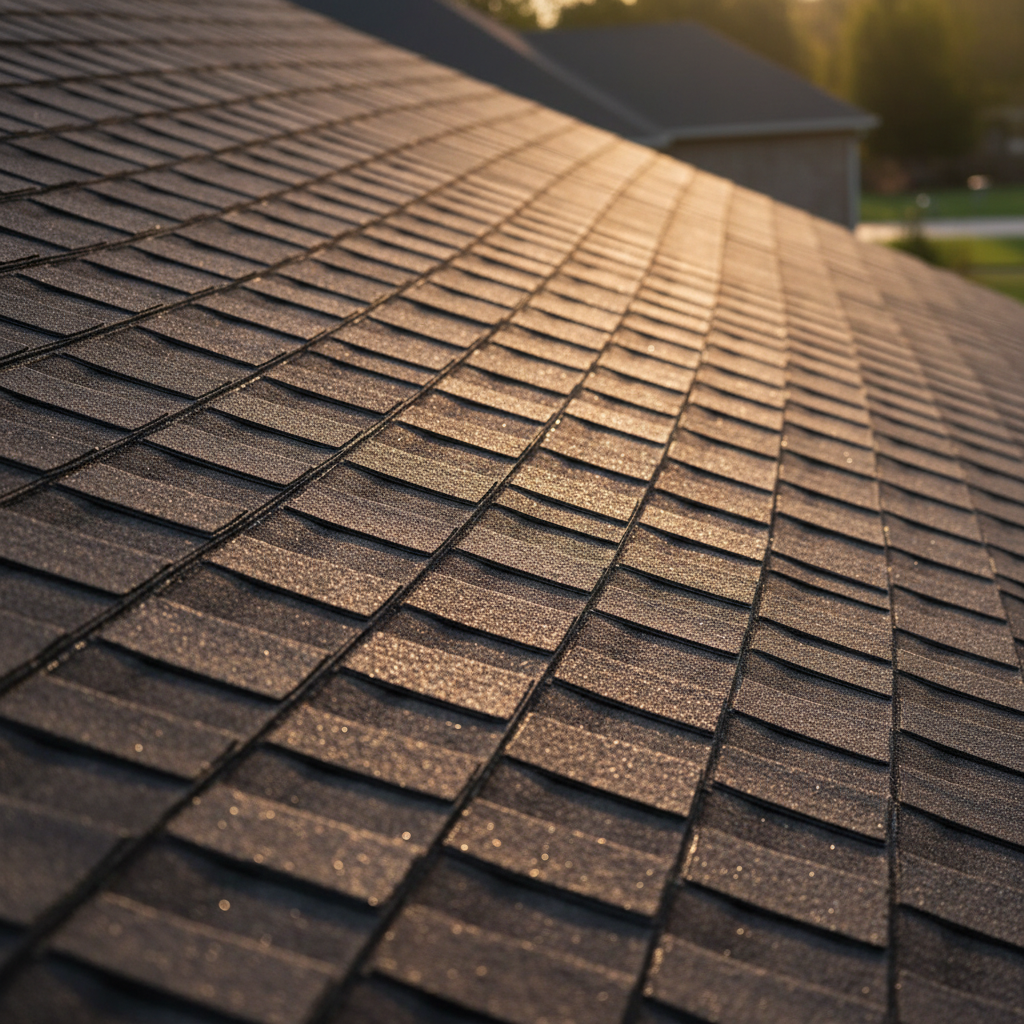
A quick bend test won’t reliably confirm “restored flexibility.” You can tell by tracking brittleness signs and damage progression over time. Watch what changes after normal weather, not after a sales demo.
If you’re standing in your yard in Wilmington wondering whether you just paid for real maintenance or an expensive delay, plenty of homeowners have had the same question. “Flexibility” sounds like something you should be able to feel instantly, but temperature and sun exposure can change the result. It is more like judging a hurricane strap by a quick tug, and some roofing authorities caution that aggressive field testing can damage the roof (see: brittle test). In the sections below, you’ll learn how to check for meaningful, low-risk signals and document the same areas so you can compare them later.
Why the Usual “Lift Test” Can Mislead

Even with careful technique, a roof can look “fine” in the moment and still show fresh cracking after the next cold snap or wind. The most expensive part is not the test. It is the confidence it gives you.
If you’re trying to prove a treatment “worked,” the temptation is to lift a tab or flex an edge and call it a pass or fail with a shingle flexibility test. In real conditions, it can give you a false sense of certainty. Shingles don’t have one fixed flexibility level on the roof (field-check context: shingle flexibility and brittleness). Temperature swings alone can flip the result: a shingle that feels stiff and crack-prone on a cool Wilmington morning can feel noticeably more pliable on a warm afternoon, even if nothing changed.
The other trap is that your hands become the test equipment. How far you bend and where you grab change what you “learn.” Trying to measure it can also create the damage you’re looking for, and I don’t think that tradeoff is worth it. If This Old House wouldn’t do it to prove a point, you probably shouldn’t either, which is why some roof authorities caution against field brittle testing in the first place. If you must do any hands-on checking, treat it as a light, consistent feel-check, not a decisive before/after verdict.
A Safer Home Check Sequence

A homeowner in town takes a dramatic before photo and leaves reassured after a quick bend. Two months later, they cannot tell what changed because they never picked repeatable spots or conditions.
You can’t “prove” flexibility with a dramatic bend, but you can run a low-risk check that tells you whether the roof is trending healthier or just looks darker in a roof rejuvenation before and after comparison. Treat it like any maintenance decision: same conditions and same viewpoints.
Start with what you can see without touching anything. Walk the perimeter and look for signals that brittleness is still winning, like ongoing curling at edges/corners or fresh cracks at tab corners, how to tell if shingles are brittle in real conditions. For example, if you still see clean, sharp fracture lines on multiple tabs after a few wind events, any “it feels softer” demo isn’t the result that matters.
Document anyway, since memory tends to rewrite details over time. Photos are your date-stamped scorecard. Take a consistent photo set (same time of day if possible): 4 sides from the ground, plus 2–3 zoomed shots of the same landmark areas (a vent pipe run, the north-facing slope, a valley line). If you do a hands-on feel-check, keep it minimal. On a mild day (not a chilly morning), choose one already-loose edge at an eave or rake where you can reach safely and lift only slightly with two fingers. Stop if you hear ticking/crackling or see a crease. Write down the temperature and the location so you’re not comparing a warm-day roof to a cool-day roof later.
Consistent photos and notes make it much easier to spot whether brittleness and cracking are actually slowing down after treatment. Read more in our article: Shingle Treatment Results
Signs the Treatment Didn’t Help
If the roof still behaves like it’s brittle after normal weather, treat “it looks newer” as noise, and I mean that. The Zillow/Redfin scroll is not a diagnostic tool. Darkening can happen without meaningful performance change, and waiting for a miracle is how small defects turn into a bigger replacement bill (darkening caveat: homeowner’s checklist).
| Red flag | What to look for | When it shows up | What to do |
|---|---|---|---|
| New cracks at tab corners/edges | Sharp, clean fracture lines not in pre-treatment photos | After wind events | Re-photo the same landmark areas; consider inspection if spreading |
| Crease lines that don’t recover | Permanent kink after a lift instead of laying back flat | After a lift/wind tug | Stop hands-on testing; monitor for progression |
| Brittle-sounding corners | Ticking/crackling or white stress mark with light lift | During minimal feel-check | Stop immediately; document and avoid further lifting |
| Accelerating granule loss | Heavier granules in gutters/downspouts; bald patches growing | After rain/storm runoff | Check downspouts after storms; escalate if repeat piles or exposed mat |
| Tabs won’t lie flat in mild weather | Persistent lift/curl indicating stiffness/seal issues/wind damage | Mild days following normal weather | Track across 30–90 days; get an independent evaluation if persistent |
Interpreting Results in Coastal NC

One lab-style report circulating online claims treated shingles showed a 66.7% improvement in cold-weather flexibility after accelerated weathering (2025 PRI study PDF). Even if you never see numbers like that on your roof, it hints at where the real wins or failures show up: after heat cycles, then cold and wind.
In Wilmington and nearby coastal communities, “restored flexibility” usually shows up later, and chasing a same-day before/after moment just delays the real read (some providers also describe flexibility returning gradually: roof restoration/rejuvenation). The truth shows up only after coastal weather has had its turn with the roof. The real test is whether your shingles stop acting brittle when the roof goes through the stress cycle that ages them here. Long UV-heavy heat and wind-driven storms tug at tabs. If the treatment did anything meaningful, you should see slower damage progression after those cycles, not just a darker-looking roof.
Heat and UV are the big confounder. A south- or west-facing slope can feel more pliable simply because it’s warm, even if the asphalt hasn’t regained much resilience. That’s why comparing “how it feels” on a July afternoon versus a cooler morning can trick you into thinking flexibility returned. Instead, use your photos and notes to look for whether hot spells are followed by new corner cracking or fresh edge fractures. If those keep appearing, the roof is still behaving like it’s dried out.
Humidity and salt air add noise to the picture. Darkening or a cleaner-looking surface can change fast in this climate, but it doesn’t prove the shingle is less brittle or holding granules better. The most useful way to read your results is to tie check-ins to real local stress events: take your “after” photo set again 30–90 days later, and again after a few strong thunderstorms. If your landmark areas look stable, and you aren’t seeing new sharp cracks or a jump in granules at the downspouts after those events, that outcome supports the flexibility claim.
In coastal NC, salt air and humidity can change how shingles age and behave, which is why weather-driven check-ins matter more than same-day feel tests. Read more in our article: Salt Air Humidity Shingles
When to stop testing and escalate
You get to stop playing detective when the signs start affecting money or safety. A clean paper trail and an independent set of eyes is the difference between calm decisions and a rushed replacement.
If you’re still trying to “feel” flexibility after you’ve documented the roof, you’re past the point where more poking helps, and I think it’s wasted risk. Get eyes on it with an independent pro you vetted on Angi for a post-treatment roof inspection. When the decision starts affecting money or safety more than curiosity, stop hands-on checks and escalate.
An independent inspection can confirm whether cracks, granule loss, or lifting tabs are isolated issues or part of a bigger pattern that points toward repair or replacement. Read more in our article: Roof Inspection Worth It
-
Call an independent roof inspector (not the treatment company) if you see any active leak
-
Call an independent roof inspector if you see new sharp cracks spreading across multiple tabs
-
Call an independent roof inspector if you see bald spots/exposed mat
-
Call an independent roof inspector if you see granule piles showing up repeatedly at downspouts after normal storms
-
Ask the provider for objective evidence you can keep
-
Dated before/after photos of the same areas
-
What product was applied and at what rate
-
What the warranty covers if cracking or granule loss continues
-
If they won’t put specifics in writing, start pricing repairs and build a re-roof timeline
A quick request for our free roof inspection with a written report gets you dated photos and a plain answer.