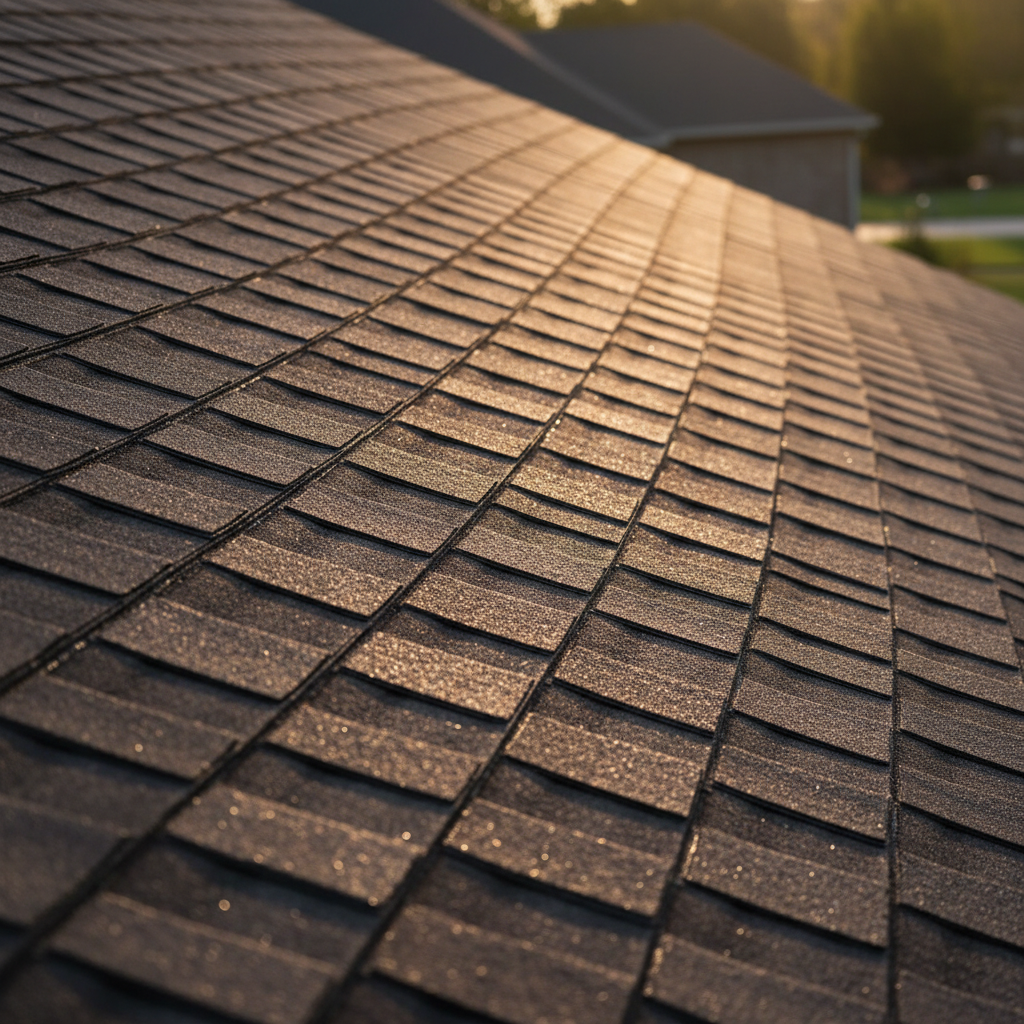
You’re looking at an aging shingle roof and wondering if a sealer can buy you time. That’s a reasonable question, especially in coastal Wilmington where sun, salt air, and storms add up fast. The catch is that “shingle sealer” can mean very different products, and using the wrong one can waste money or even create new problems.
This guide separates sales claims from the factors that matter on your roof. It breaks down the two main types of shingle sealer and clarifies what you’re paying for, and what you aren’t. You’ll also get the quick go/no-go signals and the less-obvious risks to ask about like moisture trapping or warranty pushback. If you’re trying to bridge 12–36 months, dealing with solar, or deciding between targeted repair and a whole-roof treatment, you’ll also get practical questions to screen a credible Wilmington-area provider before anyone sprays anything on your shingles (and a baseline check against ARMA guidance on coatings after installation).
Shingle Sealer: Two Meanings

A homeowner hears “sealer” and assumes it’s one simple add-on, then gets two quotes for two totally different treatments and can’t tell which one is even comparable.
“Shingle sealer” is an umbrella term for two distinct treatments. What’s the catch? Mixing them up is how you end up comparing prices and promises that don’t belong in the same bucket, like judging a nail gun by a caulk tube.
One meaning is a clear, film-forming sealer or coating that sits on top of the shingles like a barrier; it’s trying to add a protective layer, which can also change the roof’s look (some products even publish gloss measurements). The other meaning is a penetrating “rejuvenator” (often oil-based concentrates) meant to soak in and affect the shingle itself, such as improving flexibility or helping granules hang on and seal strips bond.
Before you evaluate anything else, ask: “Is this a surface film, or a penetrating treatment, and what exactly is it intended to change?” If the answer is “works on any shingle roof,” treat that as a warning sign and verify it with your shingle manufacturer’s guidance.
What You’re Really Buying
You’re not buying a “new roof in a sprayer” with an asphalt shingle sealer. That pitch is nonsense. Depending on the product, the value is either a surface-performance shift or a change in shingle flexibility and adhesion. That can be worth the money when your roof is aging but still intact, especially in Wilmington’s sun and storm cycles. But it won’t reverse missing material or fix the details that actually stop leaks.
| What a pitch may claim | What it really means (and limits) |
|---|---|
| Better water-shedding (sometimes) | A surface film can make water bead and run off more readily; a roof sealer for shingles is not the same as waterproofing the roof deck and won’t help if water is getting in at flashing, a pipe boot, or a transition. |
| Slower UV/weathering and algae staining (varies by product) | Some sealers add UV resistance or make the surface less hospitable to staining; if black streaks are the main issue, the benefit may be more cosmetic than protective. |
| Granule lock-in (limited) | Penetrating treatments are often sold on improving granule adhesion and flexibility; you might see less loose grit in gutters, but it won’t regrow bald spots where asphalt is already exposed. |
| Wind uplift help (indirect) | Some rejuvenators claim to help the factory seal strip bond again so tabs resist lift; this can reduce nuisance flapping, but it won’t save a shingle that’s cracked, creased, or poorly nailed. |
| What it won’t do | It won’t solve an active leak by itself, repair rotten decking, correct bad ventilation, or “seal” a roof that’s already curling, brittle, or shedding heavily. |
In coastal Wilmington, shingles can show early aging signals like excess granules in gutters and accelerated weathering from salt air and UV. Read more in our article: Asphalt Shingle Roof Aging
Your Roof’s “Go/No-Go” Signals
You can spend a weekend and a few thousand dollars sealing, then still be calling a roofer after the next nor’easter because the problem was mechanical, not cosmetic.
If you’re considering shingle sealer because the roof looks tired, start by confirming the roof is even eligible for this kind of treatment. The mistake is treating surface aging as the same thing as roof failure. A sealer or rejuvenator only has a chance when the shingle is still structurally doing its job and you’re trying to slow the next stage of wear, not cover up the last one.
Go (you might be a candidate) when the roof is mostly flat and intact and the “problem” is early aging rather than breakdown. For instance, you see moderate granules in gutters but the tabs still lay down, you don’t find widespread cracking, and you’re not chasing recurring leaks after every coastal storm.
No-go (pivot to repair or replacement) when you spot any of these, because they signal the system is already failing in ways a spray can’t reverse:
-
Bald patches or exposed asphalt/fiberglass mat: Once you’ve lost the protective surface, you can’t “seal” missing material back onto the roof.
-
Brittleness, cracking, creasing, or consistent curling/cupping: That’s physical breakdown, not a surface-dryness issue. Coating over deformation can even lock in problems.
-
Exposed nails, popped fasteners, or lifted tabs you can slide a finger under: You need fastening and sealing at the detail level, not a blanket treatment.
-
A history of multiple spot repairs (tar lines, repeated caulk, mismatched shingles): Case in point, if you’ve already patched around a pipe boot or a wall flashing twice, you’re past the stage where “one more layer” is a plan.
-
Moisture/ventilation red flags: Musty attic smells, damp insulation, or rusty nail tips mean moisture is already in play. Adding a less-permeable layer on top can trap what should dry out.
To steer the inspection, focus on a single decision point. Skip the “sniff test” framing and make it explicit. Ask, “Are we trying to slow cosmetic aging, or are we trying to stop a pathway where water and air are already moving,” because chasing the wrong goal is like stapling a tarp over rot and calling it carpentry. Your answer decides whether sealing is maintenance or just an expensive delay.
When a roof is already cracking, curling, or showing exposed asphalt, targeted repairs or replacement planning usually beats any spray-on treatment. Read more in our article: Shingles Too Far Gone
Moisture, Vapor, and Fire-Rating Risks

Some products cite long field history, but that doesn’t answer whether your roof can dry properly afterward or keep its original fire rating.
The biggest regrets with shingle sealer usually come from problems you can’t see from the yard. A non-permeable, film-forming sealer can act like a vapor retarder over a roof that already needs to dry, which matters for shingle sealer for humid climates in Wilmington’s humidity and after wind-driven rain. Some products can also shrink as they cure; on older shingles, that can contribute to curling or cupping instead of “locking things down.”
The other blind spot is fire rating. Many asphalt shingle roofs are installed as a Class A system, but it isn’t always clear that a field-applied coating or rejuvenator preserves that rating. If a provider hand-waves this, walk away. Ask for documentation you can verify, including the product’s stated fire-testing basis for modern fiberglass-asphalt shingles. Don’t treat “clear” as “no change”: ask the provider what testing or documentation backs the claim, and confirm what your shingle manufacturer and insurer will accept.
The Decision Framework for Shingle Sealer
Base the call on the downside you can live with, not on the product label. Let’s not throw good money after bad. If you need only a short bridge (say 12–36 months) and a leak wouldn’t create major interior damage or insurance drama, a sealer or rejuvenator might be a rational “buy time” move, like renting a spare tire instead of buying new rims. If failure would soak a finished ceiling, complicate a home sale, or force solar removal at the worst moment, you’re shopping in the wrong aisle and replacement planning is the safer choice.
Before you approve any treatment, put two checkpoints in place. First is manufacturer guidance (ask the provider to show you how your shingle maker treats field-applied coatings or treatments, and check it against Owens Corning asphalt shingle warranty/roofing documentation if that’s your line). Second is post-treatment proof (what you can verify after, like tabs resealing, reduced lift after a wind event, or a documented inspection photoset). If a contractor can’t commit to verifiable outcomes, you’re paying for uncertainty.
Choosing a Credible Wilmington-Area Provider
You end up with a written scope, the right data sheets, and before and after photos you can actually file away, instead of a mystery spray job you cannot verify when the next storm rolls through.
A credible provider from roof coating contractors Wilmington NC won’t sell you a generic “spray-on roof fix.” Anyone who does is selling vibes, not roofing. They’ll treat this like a compatibility and documentation problem, because your shingles, your moisture conditions, and even your HOA expectations can make or break the result.
Use these screening questions before you schedule. Cross-check what you hear against Angi (formerly Angie’s List) and Nextdoor neighborhood recommendations.
-
Manufacturer check: “Which shingle manufacturer and product line do I have, and what do they say about field-applied coatings or treatments? Can you show me that guidance in writing?”
-
Product identity + field history: “Is this a film-forming sealer or a penetrating rejuvenator, and what’s the product name and data sheet? How long has it been used in the field at scale?”
-
Appearance change: “Will it change the look of my roof from the street, including sheen or darkening, and where is that stated?”
-
Weather window: “What temperature and cure-time limits do you follow, and what happens if a pop-up coastal storm hits the same day?”
-
Prep and repairs included: “What prep do you do, and what small repairs (lifted tabs, exposed fasteners, flashing touch-ups) are included versus extra?”
-
Proof you’ll receive: “Will I get dated before/after photos and a written checklist of what you found and what you treated?”
FAQ — Purpose: answer the final practical objections (cost ranges, how long it lasts, will it change appearance, can it void warranty, best season in coastal NC, what maintenance still matters)
How Much Does Shingle Sealer Cost in Wilmington, NC?
Most homeowners see roof rejuvenation cost pricing quoted per “square” (100 sq ft) or for the whole roof. The real driver is prep and any small repairs included. Expect a meaningful spread: a simple spray-only bid can look cheap, but a credible scope that includes cleaning, adhesion checks, and detail work often lands closer to “minor repair” money than “DIY product” money.
How Long Does Shingle Sealer Last?
Plan in years, not decades, and treat any promise of a long, fixed lifespan as marketing. In coastal conditions (sun, salt air, wind-driven rain), performance depends heavily on shingle condition, surface prep, and whether you used a film-forming sealer versus a penetrating treatment.
Will It Change How My Roof Looks?
It can, even when it’s marketed as “clear.” Some clear sealers can add noticeable sheen or darkening, so you should ask for the data sheet and confirm what it’ll look like from the street before you agree.
Can Shingle Sealer Void My Shingle Warranty?
It can, because many shingle manufacturers want you to check compatibility before you apply any field coating or treatment. Don’t accept “works on any shingle” as reassurance; ask the provider to show you the manufacturer guidance for your specific shingle line.
What’s the Best Season to Apply Shingle Sealer in Coastal North Carolina?
You want a stable weather window and temps that meet the product’s minimums, because curing and adhesion can fail if it’s too cool or you get a pop-up storm. Late spring through early fall often works best, as long as you can schedule around rain-free days and humidity.
After Sealing, What Maintenance Still Matters?
You still need periodic inspections for flashing, pipe boots, lifted tabs, and attic moisture, because those are common leak pathways that spraying doesn’t “solve.” Keep gutters clear and address small detail failures early, or you’ll end up blaming the sealer for a problem it never targeted.
A documented roof inspection can uncover the detail-level leak paths—like flashing and pipe boots—that coatings and rejuvenators can’t fix by themselves. Read more in our article: Roof Inspection Wilmington Nc
Roof not getting any younger? Contact us or call 703-673-6301 to find out where you stand.Our free roof inspection in Wilmington NC covers exactly these problem spots and hands you the findings in writing.