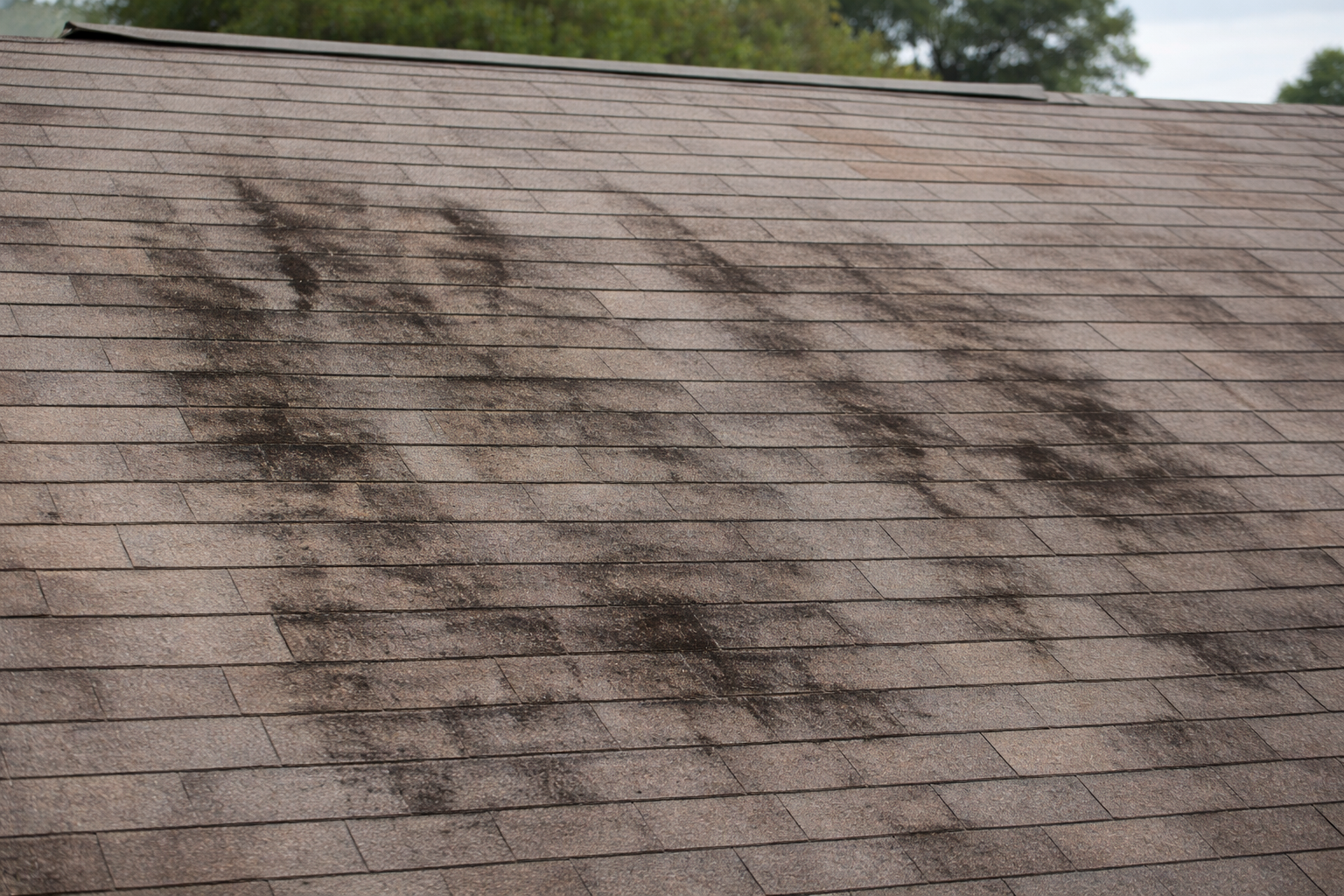
You find a new ceiling stain or a small drip and your mind jumps to the worst case: the roof’s failing. In most cases, a small leak later doesn’t mean the whole roof is done, but it does mean you need to stop damage fast and figure out whether you’re dealing with one aging detail (like flashing or a pipe boot) or a pattern that points to broader wear.
This guide walks you through what to do first inside the house, why the stain rarely lines up with the entry point, and how to tell a one-off storm intrusion from a repeat problem. You’ll also learn how Wilmington-area wind-driven rain and attic condensation can mimic a “roof leak.” It’s probably not a big deal, but treat it like a dashboard warning light and decide whether to monitor, schedule a targeted repair, or move toward a replacement-level evaluation.
Triage: Stop Damage First

Ignore the first few drops and you can end up replacing drywall and insulation, even if the roof fix itself is small. The goal is to buy time and preserve clues before anything gets disturbed.
Start by limiting interior damage, not by declaring the roof “done.” Put a bucket under the drip and move valuables away. In the attic, place a pan or plastic sheeting under the wet area and snap a few photos of where the water shows up, especially near vents or chimneys.
Then pause before you climb up and smear caulk from the Home Depot or Lowe’s roofing aisle. A sealant-only patch is a bad idea. It can redirect wind-driven rain (common in coastal NC storms) into a bigger problem. If water is active, tarp the area temporarily or call for an emergency dry-in (emergency roof leak repair Wilmington NC). Wait to repaint until the roof proves itself through the next rain.
Temporary tarping and emergency dry-ins help limit interior damage while preserving clues a roofer can use to pinpoint the entry point. Read more in our article: Roof Leak Repair
Does This Pattern Look Systemic?
A later small leak by itself isn’t proof the roof has reached end of life. What matters is the pattern. I just want a second set of eyes, and one isolated intrusion at a penetration (pipe boot or chimney flashing) is usually a bruise on one detail, not a collapse of the whole shingle field, especially after a specific storm.
Start worrying about broader failure (signs roof is failing) when you see recurrence and spread: the same leak returns after a proper flashing repair, or new leaks pop up in different areas over a few storms (signs you need a new roof). Also pay attention to timing: if it only happens during wind-driven rain on the wind-facing side, that’s often intrusion at an edge or transition, not the whole roof wearing out at once (wind-driven rainstorms and ceiling leaks).
Where Small Leaks Usually Start

A homeowner spots a stain and pays for shingle work, only to find the drip returns in the next storm because the opening was at a tiny metal joint near a vent. The fastest wins usually come from checking the interruptions, not the wide open shingles.
Most “small leak later” surprises start where the roof gets interrupted, not in the wide open shingle field (how to find a roof leak). The usual culprits (minor roof leak causes) are penetrations and transitions: pipe boots and vent flashing, and chimney flashing. Those parts flex and loosen first, and wind-driven coastal rain can push water through a tiny gap that looks fine on a calm day.
Don’t assume the stain sits directly under the entry point. I don’t want to get taken for a ride. Water can travel along decking or a rafter and show up feet away. When you call for an inspection, don’t just go with Nextdoor neighborhood recommendations. Describe what’s nearby on the roofline (vent or chimney) and what kind of storm triggered it.
Most recurring “small leaks” trace back to flashing, boots, and other roof penetrations rather than the open shingle field. Read more in our article: Roof Leaks Chimneys Vents
Why the stain isn’t the source
That ceiling stain is usually where water finally shows itself, not where it got in (roof leak tracing basics). Rain can enter at a pipe boot or flashing joint, travel along decking or a rafter, and only show up once it reaches insulation and drywall. So the mark may land feet away, sometimes downhill from where water got in.
If you aim your fix at the stain location on the roof, you can miss the real opening and make the next storm more expensive. Follow the water’s breadcrumb trail instead for a better roof leak diagnosis. Look in the attic for the first wet spot, then match it to the nearest roof detail and the wind-facing side.
Roof Leak or Attic Moisture?

Get this call right and you avoid paying for roof work that never had a chance to solve the problem. A few quick checks can separate rain intrusion from humidity and condensation that just looks like a roof failure.
Before you treat this as a roofing failure, make sure you’re not chasing the wrong problem (roof leak vs. other moisture sources). Condensation can drip off cold HVAC ducts or the underside of roof decking and mimic a “small leak,” especially during humid Wilmington weather swings or after you’ve been running the AC hard.
A true roof leak usually lines up with rain (often a specific storm), which helps with how to tell if roof leak is new or old. Condensation shows up even in dry stretches, and Consumer Reports (home services/contractor guidance) is right to push homeowners to verify that before paying for shingles. As an example, a wet ring under an insulated duct run or a bathroom fan that dumps into the attic points you toward air sealing, not shingles.
Repair, monitor, or replace, choose your next step
Two neighbors get the same kind of drip: one rushes into a full replacement quote, the other documents, confirms the trigger, and fixes one failed detail. The difference is having a decision rule before the sales pitch shows up.
If you’ve ruled out condensation, pick the next step by pattern, not panic (does a small roof leak mean roof needs replacement). Let’s not throw good money after bad or turn your budget into a leaky bucket. Monitor if it was one storm-specific event and you see no fresh attic wetness after the next rain. Repair if you can tie the moisture to one detail (pipe boot or chimney/valley flashing) and the rest of the roof looks stable. Escalate to a replacement-level evaluation if the leak returns after a proper flashing repair or shows up in multiple areas.
A documented inspection report makes it easier to compare recommendations and avoid paying for unnecessary work when the issue is localized. Read more in our article: Typical Roof Inspection
| Next step | When it fits | What to do now | What would change the plan |
|---|---|---|---|
| Monitor | One storm-specific event; no fresh attic wetness after the next rain | Document the area; re-check attic after the next rain before repairing ceilings | Any repeat wetness or spread to new areas |
| Targeted repair | Moisture ties to one detail (pipe boot, chimney/valley flashing, wall tie-in) and the rest looks stable | Schedule a flashing/detail repair (roof flashing repair) and confirm dry conditions afterward | Leak returns after a proper repair
| Replacement-level evaluation | Recurrence after repair or multiple leak areas | Schedule a broader inspection and plan for scope/pricing options | Rapidly increasing leak frequency/severity or structural decking softness
Don’t treat “a leak happened” as the verdict. We’ll cross that bridge when we come to it. With Wilmington wind-driven rain, one weak transition can look like generalized roof wear. If you care about Zillow (home value/maintenance context), call a local inspection (roof inspection Wilmington NC) when you can’t identify a single entry point or the leak repeats.
Roof not getting any younger? Contact us or call 703-673-6301 to find out where you stand.When in doubt, HardShore’s free roof inspection in Wilmington costs nothing and settles the question.