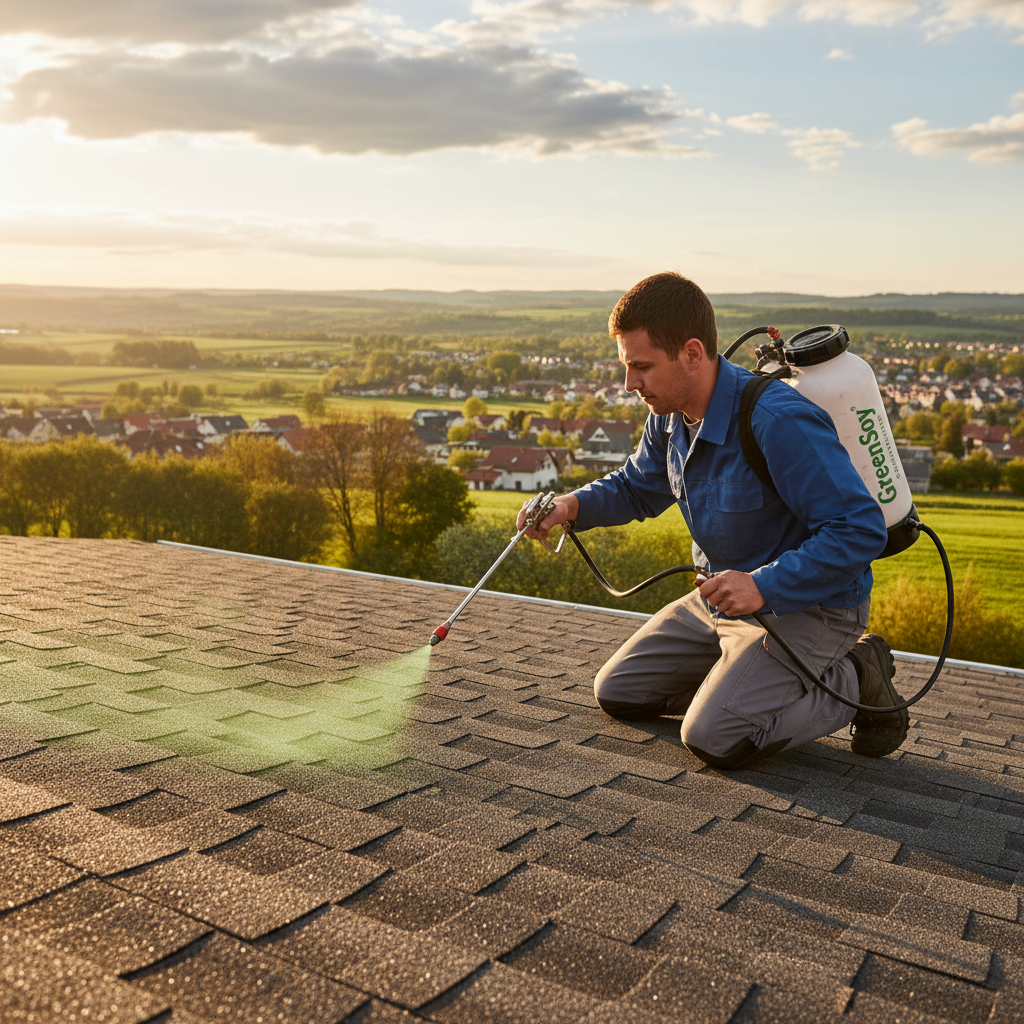
If you’ve got an asphalt shingle roof in Wilmington or nearby coastal NC, you’re probably asking a practical question: will roof rejuvenation fit your roof, or will it just delay the real fix. The answer depends less on the sales pitch and more on your roof’s age and condition. It needs to pass the sniff test as a watertight assembly.
In this guide, you’ll learn the “good fit window” (and when it’s too early or too late) and the red flags that should push you toward targeted repairs or a full replacement instead. You’ll also get a simple way to verify fit without climbing on the roof, plus what to document if your roof is nearing the 15–18-year insurance pressure zone common in coastal North Carolina.
The “Good Fit Window” for Roof Rejuvenation

A third-party lab summary describes a 1,500-hour accelerated weathering test on 15-year-old shingles, framed as roughly five years of natural aging. That kind of context is the difference between guessing and knowing where rejuvenation might still have room to work.
Roof rejuvenation for asphalt shingles tends to make sense in the middle years, and I’m opinionated about this: if the system isn’t intact, let’s not throw good money after bad and go straight to repairs or replacement, not a HomeAdvisor-style quick fix. As a rule of thumb, that’s often around 7–15 years old for many homes, especially if the shingles look dull or feel stiff yet still lie flat and aren’t cracking.
It’s usually wasted money if your roof is very new (it hasn’t lost much flexibility yet), and it’s usually too late if you see curling tabs or widespread cracking because those are asphalt shingle roof repair vs replacement problems, not “restore flexibility” problems. In coastal NC, don’t ignore age: once you’re pushing 15–18 years, insurance paperwork and underwriting can tighten, so you’ll want a clear condition assessment either way.
Shingles that are curling, cracked, or splitting are usually past the point where a rejuvenation treatment will deliver meaningful results. Read more in our article: Roof Rejuvenation Vs Replacement
Roof Rejuvenation Eligibility Checklist for a Good Fit
You’re a fit when you’ve kicked the tires on a standard asphalt shingle roof that’s weathered and drying out, but still structurally “together” like a raincoat that’s stiffening yet still sheds water. A better test is simple: it still sheds water, and the shingle courses lie flat. If you’re hoping a spray treatment will solve a flashing or leak problem, you’re aiming at the wrong target.
| What you see | Likely fit for rejuvenation? | What it suggests |
|---|---|---|
| Architectural or 3-tab asphalt shingles (not metal/tile/TPO) | Yes (required) | Correct roof type for this approach |
| Shingles dull/washed-out, less pliable, but still lie flat (no curling/cracking) | Yes | Drying out, but still functioning as a watertight assembly |
| Granule wear is moderate; no widespread bare fiberglass/bald patches | Maybe | Normal aging vs. advanced wear; confirm extent in inspection |
| Any active leak signs (drips, wet insulation, fresh stains, daylight in attic) or soft/spongy decking/sagging | No | Water entry/deck damage: repair or replacement problem |
| Widespread curling/cupping/cracking/splitting, missing shingles/blow-offs, large bare patches, failing flashing at chimneys/walls/pipes | No | Roof system is failing; targeted repairs or full replacement are more appropriate |
How to verify fit without climbing

A Wilmington homeowner hears “granules in the gutters” and starts pricing a full replacement that same night, classic granule loss on shingles anxiety. In the morning, a calm look from the ground shows flat, intact shingle lines and no bald patches, so the decision shifts from panic to proof.
Start with a slow walk-around using binoculars or your phone’s zoom. Scan for broad continuity: straight shingle lines and edges that aren’t lifting. Don’t panic over a little grit in gutters by itself, and I’ll say it plainly: that’s not a failure signal, so don’t let Nextdoor neighborhood recommendations talk you into a panic replacement (even some manufacturers note granule loss can be normal on newer shingles). What matters is consistent bare spots or exposed mat.
Then check inside: in daylight, look at the underside of the roof deck in the attic for fresh staining or damp wood, an easy asphalt shingle roof leak inspection step, especially after a hard Wilmington rain. Finally, confirm roof age from an invoice, permit, or insurance paperwork; if you’re near 15–18 years, get dated photos and a written condition note for underwriting before you decide.
If you’re seeing dark stains, damp decking, or musty insulation, those can be early leak clues that should be addressed before considering any treatment. Read more in our article: Early Roof Leak Signs
What “Good Fit” Means in Coastal NC
You do everything right on the roof, then your renewal notice lands and suddenly the question is not performance, it is eligibility. Near the coastal 15–18-year range, a missing install date or lack of dated photos can turn a manageable roof into an underwriting problem.
In Wilmington and nearby coastal communities, “good fit” isn’t just whether shingles look dry. I’m not trying to get sold to. It’s whether you can extend asphalt shingle roof life while staying insurable. Underwriting can clamp down like a vise as roofs approach roughly 15–18 years (some coastal-NC-focused sources describe an insurance “cliff” around that age). That means your best move is often to pair any rejuvenation quote with dated roof photos and the install date (permit/invoice) you can hand to your agent, instead of hoping a treatment alone will satisfy an insurer.
Also set expectations on what you’re buying: roof rejuvenation warranty terms are commonly around five years and often focus on shingle flexibility. If you need “won’t leak at the chimney and pipes,” that’s a flashing and repair conversation, not a fit question for rejuvenation.
Salt air, humidity, and wind-driven rain can accelerate shingle aging and make “looks fine from the street” a less reliable indicator near the coast. Read more in our article: Salt Air Humidity Shingles
Roof not getting any younger? Contact us or call 703-673-6301 to find out where you stand.The cheapest next step is knowledge: HardShore’s free Wilmington roof inspection documents what’s actually there.