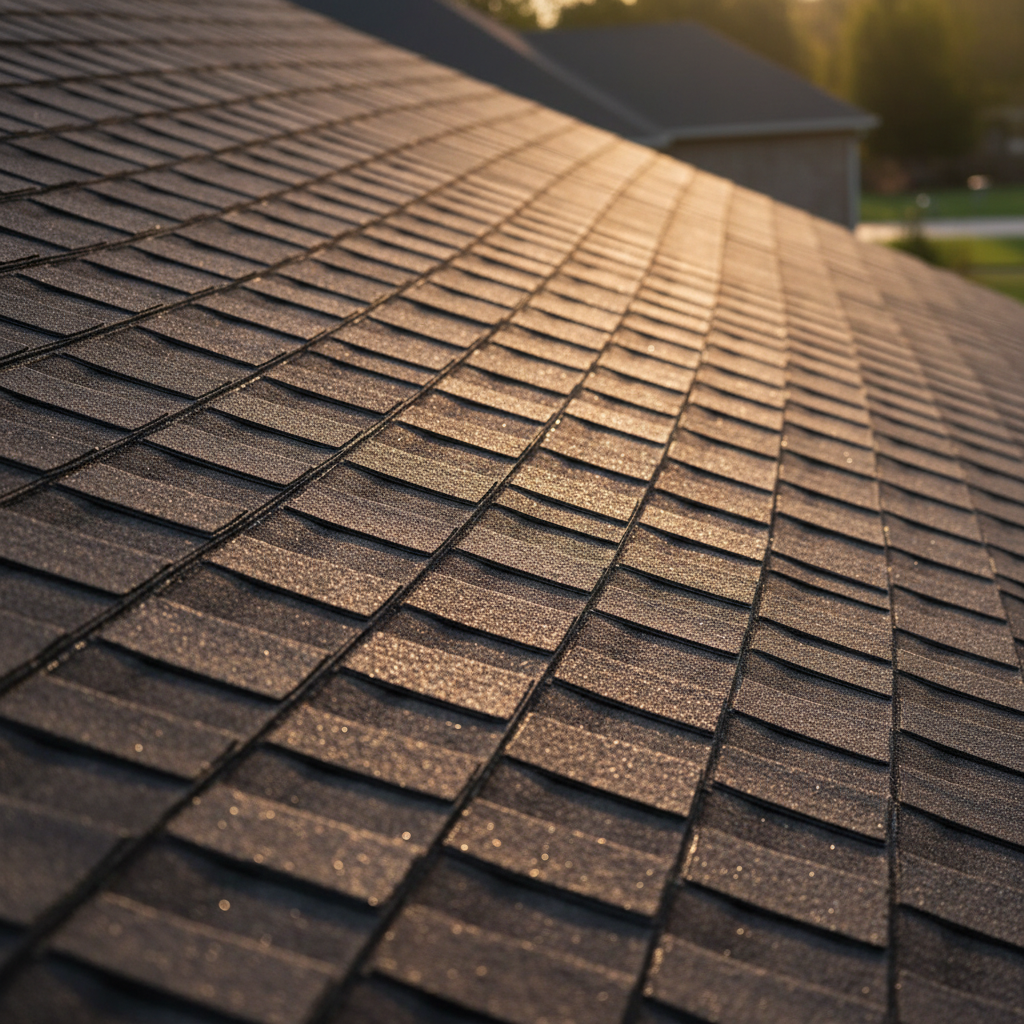
Will this help with the sun and salt air damage you get near the beach? It can help with sun-driven shingle aging, but it won’t stop salt corrosion. You’ll get results only if shingles are the real problem.
Near the coast, two different forces shorten a roof’s life and they don’t fail the same parts.
| Coastal factor | What it mainly damages | Common clues | Will rejuvenation help? |
|---|---|---|---|
| Sun + heat (UV/thermal cycling) | Asphalt shingles (drying, granule loss) | Brittleness, curling, small cracks; granules loosening/washing off | Often helps if shingles are sun-aged but still sound |
| Salt-laden moisture (salt air) | Metal components (flashing, fasteners, vents, drip edge, pipe boots) | Rust staining, lifted edges, loose fasteners/penetrations; leaks around metal | No; it won’t stop corrosion-driven failures |
Sun and heat dry out asphalt shingles and speed granule loss. Salt-laden moisture accelerates corrosion in flashing edges, fasteners, vents, and other exposed metal. That’s why your answer depends on your exposure and distance from the ocean, and on whether your roof is aging in the shingle field or failing around metal penetrations and edges.
What Coastal Sun Actually Does

Treated shingles in an accelerated-weathering test were reported to retain 86% more granules than untreated after 1,500 hours. If UV is stripping your roof’s “sunscreen,” granule loss is the main issue that matters.
Coastal sun and heat don’t just “fade” a roof, this is classic sun UV damage roof shingles. They bake asphalt shingles, driving off the oils that keep the mat flexible. As shingles dry out, they get brittle and small cracks form, especially on south- and west-facing slopes.
The bigger tipping point is granule loss. It gets beat to death by the sun. Those gritty granules are your shingle’s UV shield. Once they loosen and wash off, the exposed asphalt ages faster and sheds more granules in a feedback loop. If you think your main beach problem is only salt air, you’ll miss the simple UV mechanism that shortens shingle life.
If you’re seeing cracking and brittleness, the underlying issue is often shingle oil loss from UV exposure rather than salt air. Read more in our article: Shingle Brittle Cracking Treatment
What Salt Air Actually Attacks
Salt air speeds corrosion, so coastal roof maintenance matters. It just targets metal more than shingles. Most of the damage shows up at the metal details: exposed fastener heads, flashing at chimneys and walls, vents, and drip edges. If you’re within a few miles of the ocean, that salt-laden moisture can turn minor surface rust into a snapped hinge on your roof’s waterproofing. Leaks show up long before the field shingles look worn out.
That’s why you shouldn’t judge a beach roof only by how the shingles look from the yard. A rejuvenation treatment can target shingle drying, but it won’t stop a rusting nail head from backing out or a corroded flashing edge from opening up. When you get an estimate, explicitly ask for a close inspection of metal penetrations and flashings, and look for rust staining or lifted edges.
Many coastal leaks start at chimneys, vents, and other roof penetrations where flashing and sealants fail before the field shingles do. Read more in our article: Roof Leaks Chimneys Vents
When Roof Rejuvenation Helps Near the Beach
Roof rejuvenation Wilmington NC helps when your shingles look sun-aged but still structurally sound: widespread drying or minor edge curl, with granules mostly intact and no active leaks. It’s also a better bet if you’re outside the heaviest salt-spray band (roughly more than 3–5 miles from the ocean), where UV tends to drive the timeline.
Skip it if your beach exposure is intense and the failure cues are metal-driven: rust staining at fasteners, corroded flashing edges, loose vents/boots, or recurring leak points around penetrations. If salt corrosion is creating leak paths, shingle conditioning won’t fix the failing components, no matter who recommends it.
What to do if you proceed
You pay for a treatment, then one aggressive pressure wash lifts granules and drives water where it doesn’t belong. The next storm does the rest, and the roof looks worse even though it was “serviced.”
If you move forward with a rejuvenation treatment, treat it like shingle conditioning plus a coastal roof checkup, not a cosmetic “roof cleaning vs replacement.” Don’t let anyone high-pressure wash first. We get hammered by storms, and that blast is basically sandblasting your granules and driving water under shingles.
High-pressure washing can strip protective granules and push water under shingles, which is especially risky in windy coastal conditions. Read more in our article: Roof Cleaning
Before and after the application, have the contractor get eyes and hands on the metal: flashing edges and exposed fastener heads. Ask for photos of any rust staining or lifted flashing, and plan a quick re-check after big wind-driven storms, since salt and wind usually find weaknesses at the metal long before the field shingles look worse.
Roof not getting any younger? Contact us or call 703-673-6301 to find out where you stand.