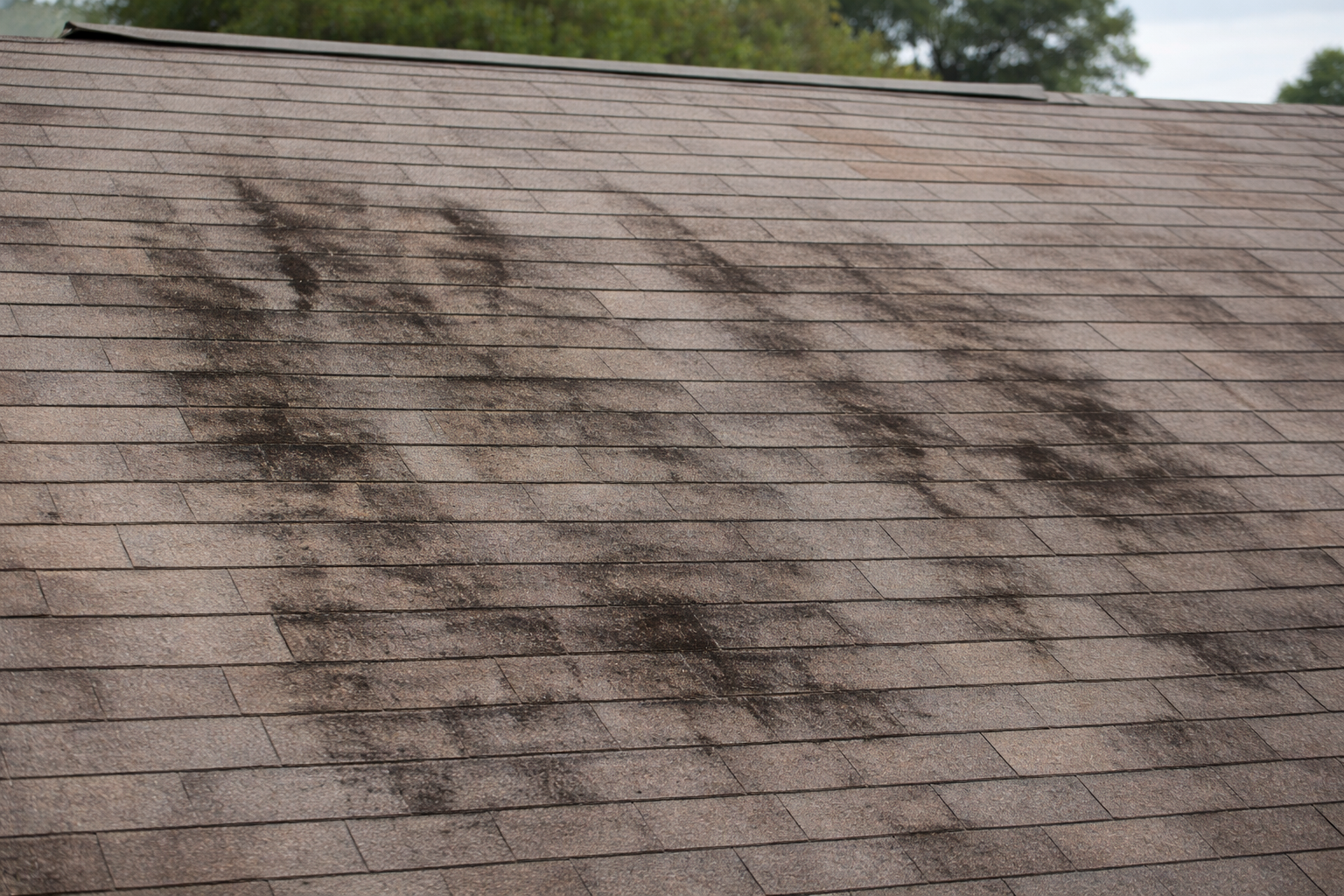
Your roof can look “fine” and still get labeled near end of life by an inspector or insurer, which puts you in an expensive gray zone. You’re trying to figure out whether roof rejuvenation is a legit way to buy time, or just a dressed-up spray job that delays an inevitable tear-off.
In simple terms, asphalt shingle rejuvenation is a targeted life-extension service for certain asphalt shingle roofs: a contractor fixes small issues first, then applies a penetrating treatment meant to recondition drying shingles for a few more years of service. A normal roof replacement removes worn materials and installs a new roof system, resetting service life, which matters in coastal North Carolina where wind-driven rain finds weak points fast. This guide helps you figure out which path fits your roof and what questions to ask before you pay for either option.
Roof Rejuvenation vs Replacement: The Real Difference
You can pay for “cheap now” and still end up paying twice when the first big storm exposes what never got fixed. Avoiding that starts with defining what each option can and can’t change about your roof.
Roof rejuvenation is a life-extension service for an asphalt shingle roof that’s still basically intact: you pair a tune-up (like sealing small exposed nail heads or replacing a few damaged shingles) with a penetrating treatment intended to recondition drying shingles and buy you time, often in the 5–7 year range. It doesn’t rebuild your roof system, and it can’t put back missing granules or fix structural problems under the shingles.
A normal roof replacement is a reset: you tear off (or otherwise remove) the worn roofing, address underlayment and flashing details, and install new shingles so you’re starting over on service life.
| Factor | Roof rejuvenation | Roof replacement |
|---|---|---|
| Core goal | Buy time on an aging (but intact) asphalt shingle roof | Reset the roof system with new materials |
| Works best when | No active leaks; limited, repairable issues; roof is fundamentally sound | Roof is failing or you need maximum certainty |
| Typical time outcome (as stated) | Often ~5–7 years of runway (varies by condition) | New-roof service life “starts over” |
| What it includes | Minor repairs + penetrating treatment | Tear-off/removal, underlayment/flashing work, new shingles |
| Can it fix structural/underlayment issues? | No | Yes (as part of replacement scope) |
| Biggest mismatch | Trying to make a failing roof “like new” | Replacing early when a short runway would meet your timeline |
If you’re thinking “a spray makes it like new,” that’s a band-aid fix mindset. It’s like oiling a stiff hinge, not rebuilding a rotten door, and rejuvenation can only help a roof that’s aging, not a roof that’s already failing (active leaks or chronic flashing issues).
When Roof Rejuvenation Is Credible (and When It Isn’t)
Rejuvenation fits when shingles are drying out but the roof system is still keeping water out, so evaluate it like maintenance, not reconstruction. In coastal North Carolina, a treatment only makes sense when the roof is fundamentally sound and you want runway, since wind-driven rain exposes weak flashing and fasteners quickly.
A contractor should be able to explain why your roof is a fit without resorting to “it’ll make it like new,” and any pitch that says that is marketing, not Consumer Reports. It can look fine from the street and still be past the point where a life-extension treatment matters.
You’re usually a candidate if most of this is true
-
Asphalt shingles are roughly 7–20 years old with mild-to-moderate wear
-
No active leaks, and decking feels solid (no soft spots)
-
Damage is limited: a few replaceable shingles, minor nail pops, small sealing needs
-
You’re planning for a replacement later and want ~5–7 years of runway
Rejuvenation usually isn’t credible if you see widespread curling, cracking, exposed fiberglass, chronic flashing issues (chimney/walls), or heavy granule loss collecting in gutters.
Insurance and inspection outcomes often depend on whether you can document the roof as watertight and structurally sound, not just recently treated. Read more in our article: Roof Rejuvenation Insurance
Coastal North Carolina Realities to Factor In

A homeowner in Wilmington can have shingles that look okay from the driveway, then discover the real failure point was a tired pipe boot or a sloppy wall intersection after one night of sideways rain. On the coast, the weakest detail often decides the outcome.
Around Wilmington, tropical weather often breaks the details first, and ignoring that gets expensive. That means your decision hinges on flashing and exposed fasteners. If those areas are tired, a rejuvenation treatment won’t “average out” the risk, because water won’t politely wait for the shingles to fail first.
Salt air accelerates drying, and algae can hide wear, so a roof restoration decision based on looks can mislead. Also, if you’re trying to satisfy an insurance inspection, don’t assume a treatment counts the way a replacement does.
Salt air and humidity can speed up shingle aging and make “looks fine” roofs fail at the details first in coastal storms. Read more in our article: Salt Air Humidity Shingles If Nextdoor can’t agree on who’s reputable, your underwriter won’t either, so you may still need clear documentation and a roof that reads as structurally sound rather than freshly treated.
The Decision Framework: Time-Buying vs Permanent Fix

Professional rejuvenation is commonly priced around 15–30% of a full replacement (a typical roof rejuvenation cost range), which is exactly why it tempts people into skipping the hard math. The trade is straightforward: lower spend now in exchange for a shorter, less certain runway.
Treat this as a financing question, not a faith question: are you paying to buy a known amount of runway, or are you paying to reset the roof system? Rejuvenation is rational when you’ll accept a shorter, less certain extension (often around 5–7 years) in exchange for spending a fraction of replacement cost. Choose replacement when you need high certainty, because being wrong gets expensive fast in coastal North Carolina storms.
Run the decision through five filters. Cost vs. years gained: if a rejuvenation quote pencils out as a low cost per “year of serviceability,” it can beat tearing off early. Disruption: if you’re trying to avoid a messy tear-off right now (tight work schedule, new baby, HOA timing), time-buying has real value. Risk tolerance: if even one surprise leak during a storm would create major interior damage risk, you’re not shopping for “cheaper,” you’re shopping for “less likely to fail.” Documentation: if this is about an insurance inspection or underwriting, don’t assume a treatment “counts” like a new roof; ask what documentation they’ll accept and plan accordingly. Resale timing: if you might sell soon, buyers and agents tend to price a roof like a binary, new or not, so a treatment may not translate into the value you expect.
To make this actionable, answer these in plain language: What date do you need this roof to reliably reach? What happens to your budget if you still have to replace sooner than planned? And what would you need in writing (invoice details, photos of repairs, product specs, warranty terms) to feel defended if an insurer, buyer, or home inspector challenges the decision?
What to Ask a Contractor Before You Commit
When you have photos, specs, and warranty terms in writing, the conversation shifts from sales talk to accountability. That paper trail is often what protects you later with an insurer, a buyer, or a skeptical inspector.
Before you sign, get three bids and make the contractor prove you’re buying a defined outcome, not a vague “spray package” that’s basically sunscreen for shingles. In a coastal storm market like Wilmington, details and documentation matter as much as price, because you may need to defend the decision to an insurer, buyer, or your future self.
Ask (including roof rejuvenation warranty details)
A clear inspection checklist makes it easier to compare bids and spot whether you’re dealing with normal wear or true damage that needs replacement-level work. Read more in our article: Typical Roof Inspection
-
What did you see on my roof that makes it eligible, and can you show photos?
-
What repairs happen first (missing shingles, nail pops, flashing/boots), and what’s the added cost range?
-
Is this a penetrating rejuvenator or a surface coating, and what’s the product name/spec sheet?
-
What life extension should I expect on my roof, in years, and what would shorten that?
-
What warranty do you provide (what’s covered, what’s excluded), and do I get before/after photos and an itemized invoice?