If you’ve been quoted $25,000+ for a new roof in coastal North Carolina, you’re probably looking for a real third option. Roof rejuvenation can help you delay replacement when your asphalt shingle roof is still functioning, but it won’t rescue a roof that’s already failing.
The hard part is figuring out which side of that line you’re on before you spend money twice, once on a treatment and again on the replacement you couldn’t escape. In the sections below, you’ll see the make-or-break roof conditions that decide whether rejuvenation is worth considering, what the treatment changes (and what it can’t), and why Wilmington-area wind and salt air can shrink the real-world results if you treat rejuvenation like a reset button.
Roof Rejuvenation vs Replacement: The Make-or-Break Roof Conditions
You don’t want to discover you guessed wrong about your roof’s health in the middle of a wind-driven rain, after you’ve already paid for a treatment. The expensive mistake is thinking you’re “extending life” when you’re really postponing a failure that’s already underway.
Roof rejuvenation can be a real way to buy time, but it only works when your roof is still a functioning system. If you already have water getting past the shingles and into the structure, “restoring flexibility” won’t undo rotten decking or active leak paths. In coastal North Carolina, that line matters. One nor’easter or tropical system can turn a small weakness into a soaked attic fast, like a leaky boat taking on water once the seam opens.
A good mental test: rejuvenation helps materials that are aging; it doesn’t fix a roof that’s failing. If you’re trying to use it to avoid damage you already have, you’re just kicking the can down the road. That usually means two bills: the treatment now, then the replacement later anyway.
| Condition | What to look for | What it usually means |
|---|---|---|
| Active leaks or repeat interior water signs | Fresh ceiling stains, damp insulation, recurring drips after wind-driven rain | Functional failure: prioritize repair/replacement over treatment |
| Decking or structural problems | Soft spots, sagging, widespread nail pops from compromised wood, “spongy” feel underfoot | Substrate issues: typically replacement territory |
| Widespread cracking, splitting, or missing shingle sections | Broad brittle cracking across slopes; missing sections | Water-shedding layer breaking down: treatment unlikely to help enough |
| Storm damage that changed function (not just looks) | Lifted tabs that won’t reseal, creased shingles, exposed mat; granules in gutters after wind event | Progressive damage: address decisively before considering rejuvenation |
If you want one practical next step: after the next heavy rain, check your attic with a flashlight (or have a roof inspection Wilmington NC inspector do it) and ask for photos of the decking from multiple areas. If the wood is dry and firm and the shingle layer isn’t broadly fractured, you’re at least in the zone where rejuvenation might make sense to evaluate.
A photo-based inspection is the fastest way to confirm whether you’re dealing with normal shingle aging or active leak pathways before you spend money on any treatment. Read more in our article: Typical Roof Inspection
What “Rejuvenation” Actually Changes

Roof rejuvenation targets a specific aging problem in asphalt shingle rejuvenation: as the shingle dries out over time, it tends to get less flexible and less able to seal and stay sealed. The pitch of most rejuvenation products is simple: reintroduce oils that have weathered out so the shingle can bend a bit more instead of acting like a cracker. That shift can matter in coastal North Carolina where wind-driven rain and gusty storms exploit shingles that lift, don’t reseal, or fracture when stressed.
What it’s trying to change is performance-related, not just looks. The most meaningful claimed improvements usually land in two buckets: flexibility (less brittleness) and sealing behavior (tabs that can re-adhere). For instance, if your roof shows widespread “dry” feel and edge lift but the shingles are still intact, restoring some pliability can reduce how easily wind teases up corners and starts a bigger problem.
What it doesn’t change is just as important: it won’t fix bad flashing or undo a leak path that’s already established. A darker, more uniform roof after treatment can fool you into thinking you bought years of watertightness, when you may have only changed the surface appearance.
When you hear “lab-tested,” translate it into conditions, not promises. They often outline an accelerated run, then compare treated and untreated shingles on measures like flexibility or sealant adhesion. That can be useful, but it’s not a guarantee your roof gets “X years,” and I’ll be blunt: Angi-style quoting flows can turn that nuance into a sales script. Year-extension claims aren’t standardized, and roofs fail from more than one number.
A practical move: ask the provider to explain, in photos and plain terms, what problem they’re trying to slow on your roof (brittleness, sealing, granule loss) and what they’ve ruled out (active leakage, mat cracking, flashing failure). If they can’t name the mechanism and you’re mostly hearing about how it will “look new,” you’re not evaluating performance, you’re buying a cosmetic story.
If a treatment mainly improves flexibility and sealing, it’s worth understanding how brittle shingles crack and what a realistic treatment can and can’t change. Read more in our article: Shingle Brittle Cracking Treatment
Interpreting “Lab-Tested” Year Claims
In many provider summaries, a 1,500-hour accelerated-weathering run is treated as a proxy for about 5 years of natural aging. That framing can be useful, but it also makes it easy for marketing to turn a lab timeline into a calendar promise.
When you see claims like “lab-tested to add 5 years,” treat that as a shorthand for accelerated aging comparisons—and how long does roof rejuvenation last—more like a nutrition label than a warranty on your roof. Those writeups typically map the test duration to an estimated aging window and then report treated vs. untreated results on a few defined metrics.
That can prove a treatment helps a property under controlled conditions, but it can’t prove you’ll avoid replacement for a fixed number of years in Wilmington wind, salt air, and storm-driven rain. If a provider won’t tell you which metric improved or what the baseline shingle age was, ask yourself: does it pass the smell test. If not, you’re buying a number, not evidence.
Coastal NC Stressors That Reshape Results

In Wilmington and nearby coastal communities, rejuvenation doesn’t operate in a gentle environment. That is the whole ballgame, no matter what Nextdoor says. High humidity and salt air speed up weathering and corrosion around the roof system, and wind uplift tests whether tabs actually reseal after a gust. If you treat rejuvenation like a reset button, you’ll miss the point: it can buy you time on an aging shingle, but it can’t make your roof “less coastal.”
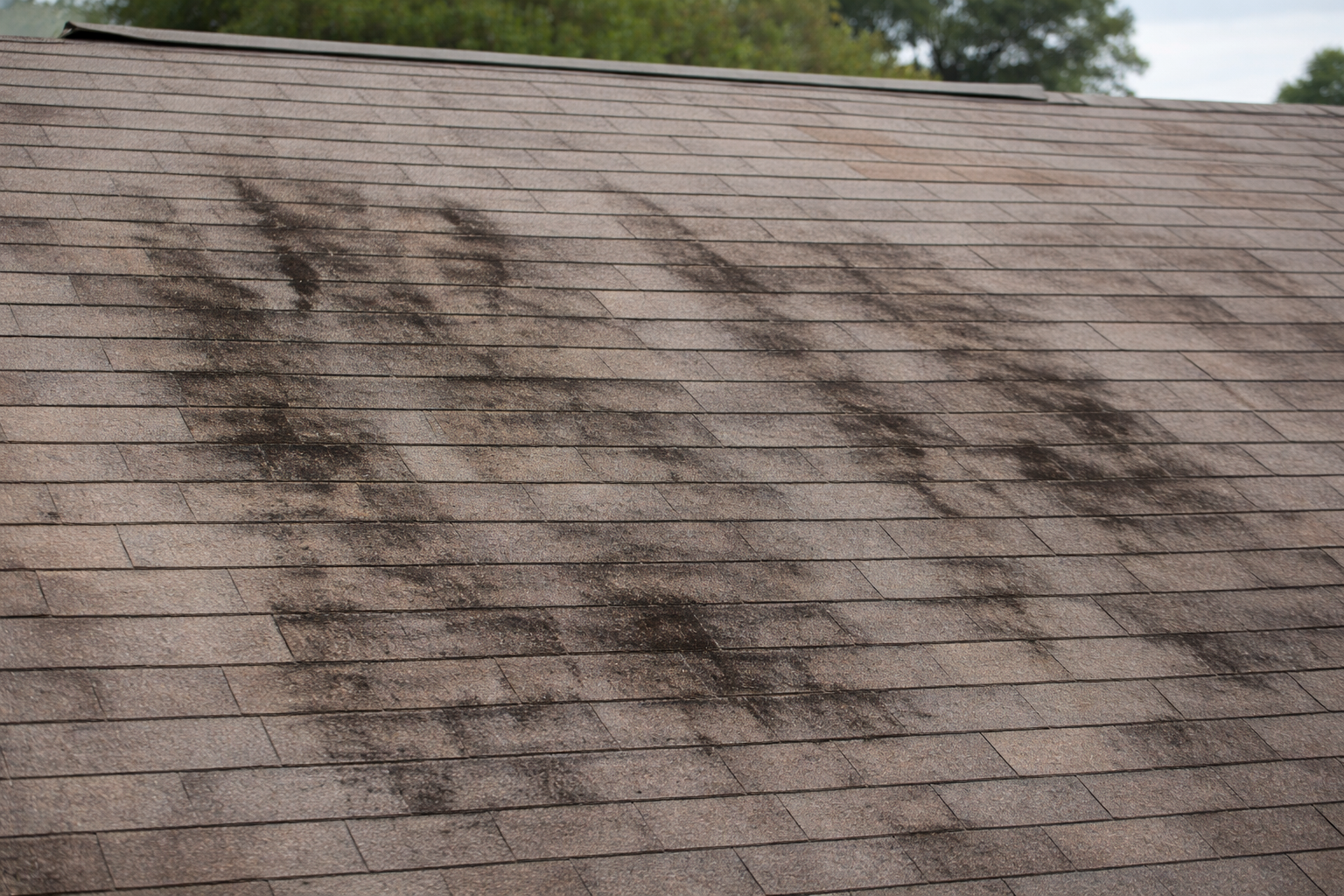
Algae and organic growth add another constraint. Those dark streaks you see on many Coastal NC roofs aren’t just cosmetic; they hold moisture on the surface longer, which can narrow the real-world window you get from any life-extension step. Practically, this means you should pair any rejuvenation decision with a tighter reality check: plan on more frequent post-storm spot checks (especially windward slopes and ridgelines) and ask for clear photos showing tabs lying flat and sealed, not just shingles that look darker and newer.
Salt air and high humidity can accelerate shingle weathering and shorten the real-world window you get from any life-extension approach near the coast. Read more in our article: Salt Air Humidity Shingles
A Decision Path to Avoid Replacement
A Wilmington homeowner hears “you’ve got maybe a year left,” then a second opinion finds the decking is dry and the problem is mostly poor sealing on a few windward slopes. With the right photos and checkpoints, the decision shifts from panic to a controlled plan.
If your goal is to avoid a $25,000+ replacement right now, treat rejuvenation as a “buy time safely” decision rather than a reset, because it’s closer to putting a bandage on a broken pipe than installing new plumbing. Start by getting roof-surface photos and attic photos of decking after a hard rain, then have the provider point to the exact problem they think they’re slowing (brittleness or poor sealing) and what they’ve ruled out.
Before you say yes, ask for (1) written confirmation the decking is dry and firm, (2) a list of any repairs they’ll do first (flashing, pipe boots, isolated shingle fixes), and (3) a dated photo set you can keep for insurance and future buyers. Walk away if you have active leaks, soft decking, widespread mat cracking, or storm creases that won’t reseal, because the juice isn’t worth the squeeze. Treatment money won’t stop a functional failure.
Roof not getting any younger? Contact us at Contact us or call 910-241-1152 to find out where you stand.