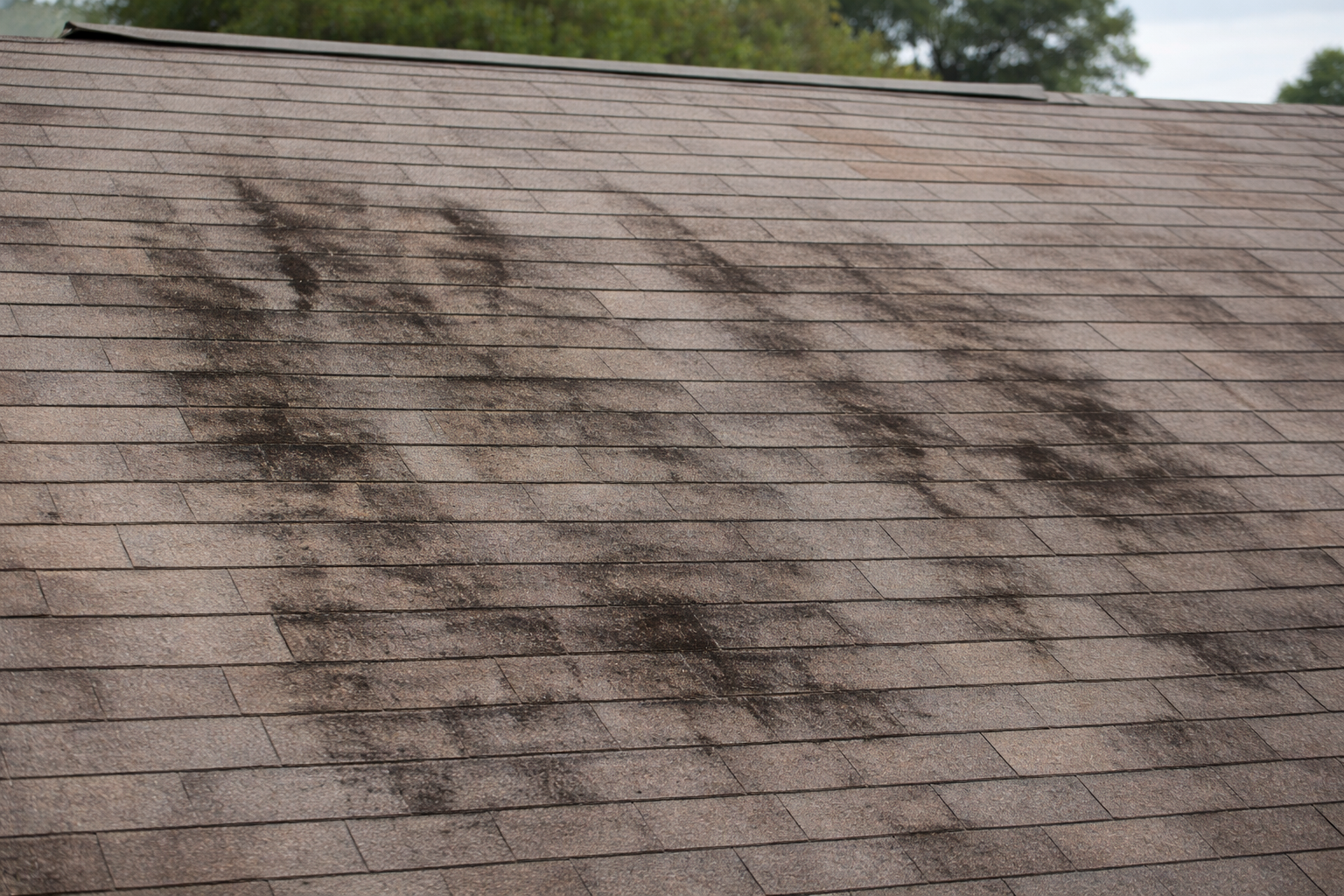
You call a roofer first when water is getting in or the roof might be unsafe. You call a roof restoration or rejuvenation company first when the roof looks aged but you don’t have an active leak. If a storm may be involved, you document first, then bring in a reputable local roofer for an inspection.
That first call matters because it determines whether you get a source-level diagnosis early or drift into a generic “cleanup” response. Wilmington’s sun and salt air can make asphalt shingles look worn well before failure, so the same response doesn’t fit every warning sign. What matters is aligning that first call with what’s happening right now. Get the right photos and notes in place and keep control of decisions, especially when insurance might enter the picture.
Call a Roofer First if There’s Active Water or Safety Risk

If water’s still moving and you pick the wrong first call, you can waste a day on symptoms while hidden damage expands. First priorities are stopping the intrusion and clearing any safety risk.
If water is getting into the house, or the roof might be unsafe, call a roofer first (roof leak who to call). That’s not the moment to “see if rejuvenation could help,” and it’s definitely not the time to follow a Ring app rumor and start with an interior cleanup crew. Your fastest win is stopping the intrusion at the source, including roof tarping emergency service when needed. Damage spreads fast behind drywall and into insulation.
Make the roofer your first call when you see dripping during rain or shingles blowing off. While you wait, move valuables and catch water.
Fast action on an active leak can prevent soaked insulation and hidden rot from spreading beyond the initial entry point. Read more in our article: Roof Leak Repair
Call a Restoration/Rejuvenation Company First When the Roof Is Aging but Not Leaking
If your roof looks tired but you don’t have active water coming in, start with a restoration/rejuvenation company to kick the tires on condition and eligibility (roofer vs restoration company). Many roofs still have tread left. In Wilmington’s sun, salt air, and wind, many asphalt shingle roofs hit the “aging” phase before they fail, and that’s where a life-extension option can be worth evaluating before anyone starts talking replacement.
Make that your first call when you’re seeing things like shingle granules in gutters or mild curling. You might be tempted to call a roofer because it feels more “serious.” That first call can steer the project toward restoration or make replacement the assumed path.
Ask for a straightforward assessment of whether rejuvenation is an option for your roof’s age and condition. Vague answers are a dealbreaker. For instance, many programs focus on restoring shingle flexibility, which isn’t the same thing as fixing a flashing or vent-boot leak, so you want that clarity before you spend money in the wrong lane (see NRCA discussion of rejuvenation products).
In coastal Wilmington, sun, salt, and humidity can dry out asphalt shingles and make them look “spent” before they actually fail. Read more in our article: Salt Air Humidity Shingles
Water Damage Restoration vs Roofer: Symptoms That Point You in the Right Direction
A ceiling stain can lead someone to book a “roof treatment” because shingles look old (ceiling leak who to call), then later discover the real issue was torn boot flashing. A quick sort like this keeps small problems from becoming the wrong project.
| What you’re noticing | Call first | Why |
|---|---|---|
| Active drip during rain, growing ceiling stain, wet attic insulation | Roofer | Stop intrusion at the source and find the entry path |
| Missing/creased/blown-off shingles, tree limb impact, safety concern | Roofer | Wind/impact damage and safety risk need prompt on-roof diagnosis |
| Granules in gutters, widespread fading/algae streaks, mild curling, roof looks uniformly dried out (no active leak) | Restoration / rejuvenation company | Check condition and eligibility for life-extension before replacement is the default |
| Not sure, but a storm may be involved and you want documentation first | Roofer (after documenting from the ground) | Inspection notes support clear scope and insurance decisions |
The first-call script (what to say, photos to take)

A crisp description paired with consistent photos tends to produce faster, more specific guidance for a roof inspection Wilmington NC. It also makes it harder for anyone to steer you toward a bigger job than the evidence supports.
When you call, lead with what’s happening, not what you think it needs: “I’m in Wilmington. During today’s rain I saw [drip/stain/missing shingles] at [room/roof side]. It started [when] and looks [better/worse]. The roof is about [age] and I haven’t had work done recently.” Your first call doesn’t just schedule a visit, it creates a paper trail. Get it in writing, and it shapes what gets inspected and documented.
Text or email 6 quick photos: the ceiling/wall stain, a wide shot of the room, and the attic area (if safe).
If a Storm or Insurance Might Be Involved
After storms, consumer guidance repeatedly boils down to two things: document early and be cautious about signing anything that transfers your insurance rights (see state insurance consumer guidance). The paperwork you sign in the first 24 hours can matter as much as the photos you take.
After a hurricane or strong wind event, the most common roof issues include lifted shingles, fastener problems, and water entry at flashing and roof penetrations. Read more in our article: Roof Problems After Hurricane
If wind or a named storm just rolled through and you suspect damage, document first, before you sign or authorize anything: take date-stamped photos and a quick ground video (visible roof slopes and any interior staining) for a licensed roofer Wilmington NC. Then call a reputable local roofer to inspect and write up what they find so you have clear, job-site-specific notes from a storm damage roof inspection, not just a vague “storm damage” label.
You might think calling your insurer first is always the safest move, but that advice gets repeated on Nextdoor and it’s often wrong. Signing unread paperwork, especially anything assigning insurance rights or authorizing someone to act for you, is a quick way to lose control. A contractor can often help you document damage and estimate repairs. You still need to be the one who decides whether to open a claim and who communicates with the carrier about coverage and next steps.
Roof not getting any younger? Contact us or call 703-673-6301 to find out where you stand.One day of work from HardShore’s roof rejuvenation treatment in Wilmington beats a month of tear-off quotes when the roof still has life left.