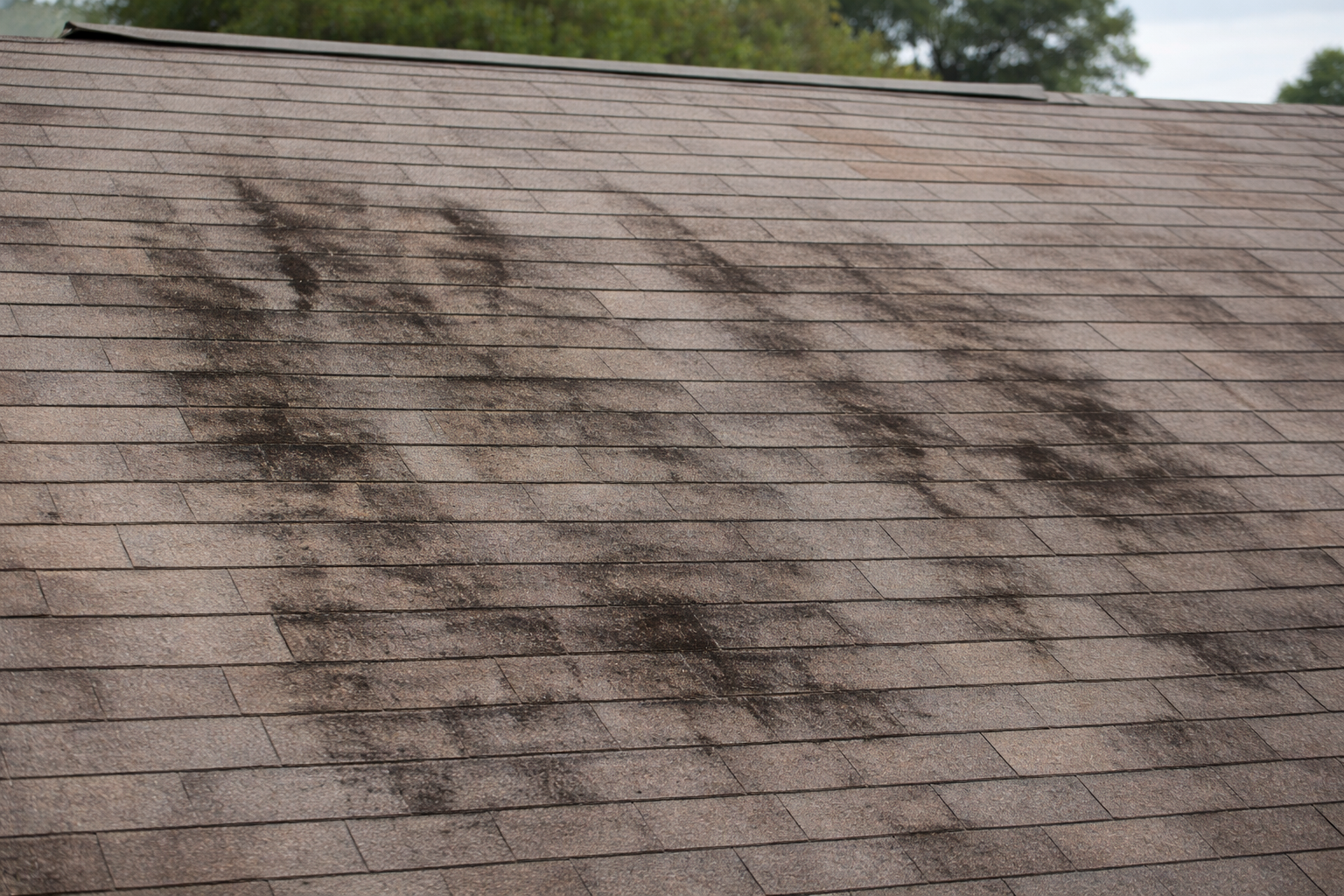
You should think about roof rejuvenation versus replacement when your asphalt shingle roof is aging but still structurally sound. Rejuvenation often fits best in the 10–20 year range with mostly surface wear. Replacement makes more sense when you have leaks or widespread shingle failure.
If your roof “mostly works” but you’re getting mixed advice, you don’t need a sales pitch or buzzwords. You need a simple screen that separates cosmetic aging from end-of-life behavior, especially in Wilmington-area humidity and wind. In the sections below, you’ll use age as a starting filter and rule out the three deal-breakers that can make rejuvenation money you’ll end up spending twice. Then you’ll compare rejuvenation to replacement based on scope and cost per year so you can decide on your timeline.
The 10–20 Year “Candidate Window”

You catch the roof while it still has usable life left in it, and the work you pay for buys time instead of buying the same decision twice.
For most asphalt shingle roofs, rejuvenation tends to fit a “middle years” window. That window is typically 10 to 20 years. That’s the point where shingles often start showing early drying and wear, but you may still have enough intact material for a treatment and careful cleaning to buy meaningful time.
But don’t let a birthday decide for you. A 12-year roof that’s already losing tabs in every Wilmington wind event is acting like an end-of-life roof, while a 22-year roof that’s stayed sealed and dry might still be a candidate in limited areas. Use age to kick the tires on timing, then let condition decide. Think of it like checking the decking before you paint over rot.
In Wilmington’s climate, a 10–20 year roof can still be a good candidate if the shingles are aging evenly and the roof has a realistic remaining service-life baseline. Read more in our article: Asphalt Shingle Roof Lifespan Wilmington
Quick Screen: The Three Deal-Breakers
Ignore the wrong red flags and you can spend money on a treatment, only to discover the first hard rain was never the real test.
| Deal-breaker to rule out | What it usually signals | Typical direction |
|---|---|---|
| Active leaks or recurring leak spots (especially after “repairs”) | Water may already be damaging decking | Replacement territory |
| Structural issues (sagging, soft spots, visible deck rot at eaves) | Decking/structure problem, not surface wear | Replacement territory |
| Widespread shingle failure (missing/creasing/unsealed tabs, exposed fiberglass, broad brittleness across slopes) | End-of-life behavior across the roof | Replacement territory |
If you’re seeing recurring moisture spots, catching small leak signals early can prevent hidden decking damage that forces a full replacement sooner than planned. Read more in our article: Early Roof Leak Signs
If it’s mostly surface aging, think rejuvenation

Rejuvenation starts to make sense when your roof looks tired but still behaves like a roof. Shingles stay sealed, you are not chasing leak spots, and the wear stays on the surface. In coastal North Carolina, that often shows up as algae staining or granule loss that’s noticeable in gutters but not paired with exposed fiberglass edges or widespread cracking.
Relying on “it’s not leaking” alone usually means you bring in a second opinion after the window has closed. A better screen is whether the roof can be safely cleaned and then treated without tearing up brittle shingles. For example, if most of what you see is black streaks and a generally even look across the slopes, you’re usually in the “evaluate for rejuvenation and maintenance” lane rather than “rip it off now.”
Granules, Brittleness, and What’s “Normal” —
A homeowner cleans out the downspout, sees a gritty pile, and assumes the roof is finished. The hard part is that the same symptom can mean “normal aging” or “you are already past the point where a treatment will help.”
Granules in your gutters look alarming, but some shedding is normal on asphalt shingles, especially when they’re newer and after harsh weather. The risk isn’t “any granules,” it’s what the granules suggest about the asphalt underneath.
What should change your posture is a pattern that points to brittleness and weakening bond, not just a dirty downspout. For instance, if you see bare spots where the dark mat shows through or exposed fiberglass at shingle edges, you’re past cosmetic wear. Another tell is uneven loss: concentrated bald patches on one slope or heavy loss right at the eaves/valleys. Treating granules as the only test often sends you the wrong way. Use a Consumer Reports mindset instead.
Coastal North Carolina Factors That Change The Call

In Wilmington-area roofs, humidity and shade can turn algae and lichen into more than cosmetic issues. The call hinges on whether shingles can be cleaned without scarring brittle surfaces. Salt air can also speed up aging at exposed edges and around metal details, so a roof that “still isn’t leaking” can still be sliding into wind vulnerability.
Wind history should tighten your threshold. Repeated blow-offs after storms are a flare gun, not bad luck. Ask your contractor to show you where tabs aren’t sealing and whether cleaning plus rejuvenation would leave you with a roof that’s storm-ready.
On shaded coastal roofs, algae and organic growth can trap moisture and accelerate wear, so “just stains” can become a performance issue over time. Read more in our article: Roof Algae Black Streaks
Roof rejuvenation vs replacing the roof: what to compare
One manufacturer-published study reports a 16% increase in tear resistance for a treated shingle versus an untreated control of the same age. If you cannot tie any promised benefit to something measurable on your roof, the comparison turns into marketing versus math.
Once the deal-breakers are off the table, use a single yardstick to decide. Pencil it out like you would at The Home Depot, not like a late-night impulse buy. If your only benchmark is “cheaper today,” you are spending money to save money in the worst way.
Start by defining scope (cleaning and minor repairs) and put it in writing so you’re not comparing a “treatment” to a full tear-off apples-to-oranges. Then ask for a realistic expected life extension for your roof’s current condition, not a brochure number. Next, check warranty and insurance friction: will the work affect any existing coverage or inspection outcomes, and will you have documentation if you sell or file a claim? Finally, do total cost as cost-per-year: compare roof rejuvenation cost divided by the added years you’re likely to get versus replacement cost divided by the years you expect to own the home or keep that roof. For a reality check on how wide the price bands can be, see this restoration-vs-replacement comparison from Gorilla Roofing.
What to ask a Wilmington-area roofer
You walk away with photos from a roof inspection in Wilmington, NC and a line-item scope, and the decision feels calm instead of pressured. Clear documentation is what protects you from paying for a vague “treatment” that fails the first time your roof gets tested.
You don’t need a roofer to “vote” for rejuvenation or replacement. You need them to define scope and risk in plain terms. Without that, you can end up with a vague “treatment” that skips the costly essentials. If they cannot answer clearly, it is not worth throwing good money after bad.
Ask
“Is my roof a candidate, and why?” Have them point to specific slopes and conditions (sealed tabs, flexibility, granule pattern), not just the roof’s age.
“Can this roof be safely cleaned first?” What method will you use for algae/lichen, and what would make you stop because shingles are too brittle?
“What’s included in your scope, line by line?” Cleaning and minor repairs.
“What do you expect this to buy me in years for this roof?” Ask for a realistic range and what would shorten it in coastal wind and sun.
“What would make you recommend replacement instead?” Push for thresholds like recurring blow-offs, widespread unsealed tabs, or exposed mat.
“What will I get in writing?” Warranty terms and documentation you can show an insurer or future buyer.