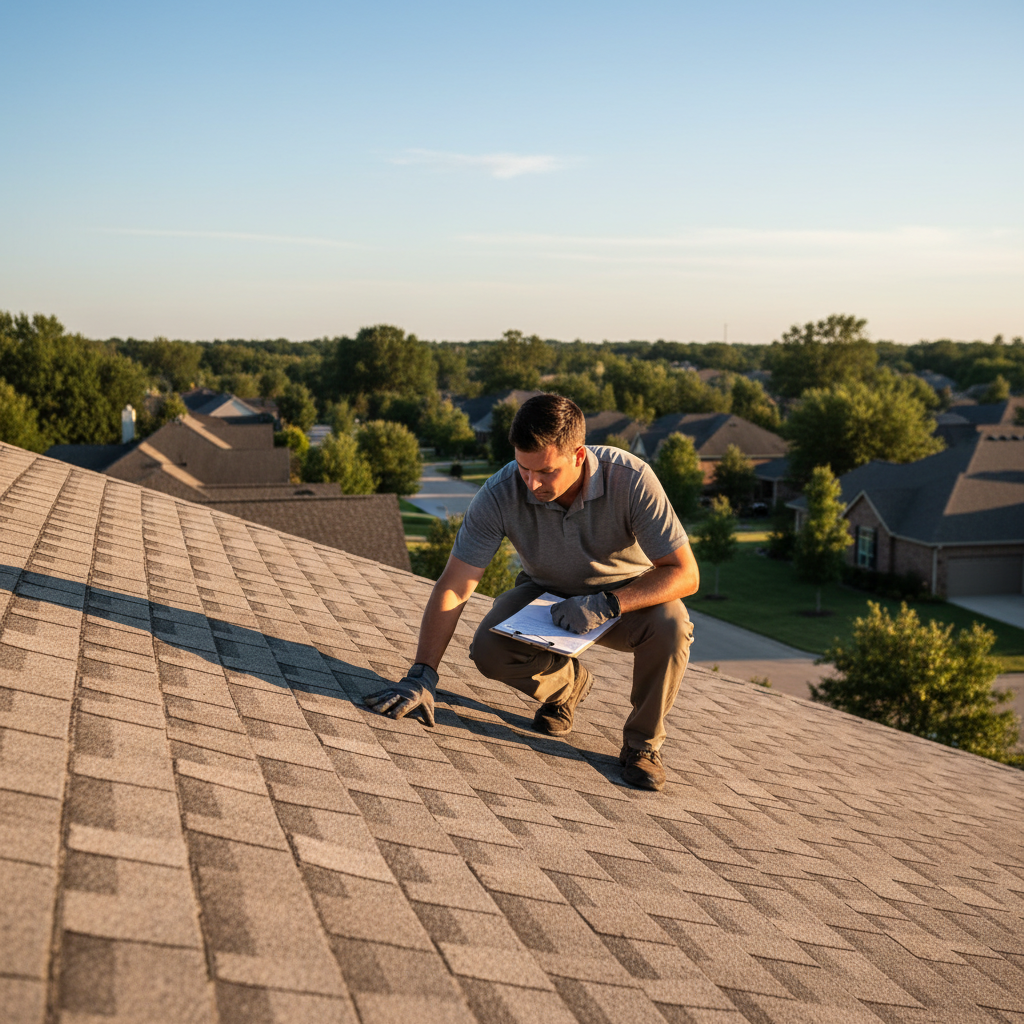
Yes, it can affect both, but not usually in a simple yes-or-no way. A Roof Maxx treatment typically doesn’t flip your roof warranty “off.” It can, however, give a manufacturer or insurer something to question later.
What matters is which promise you’re relying on and who gets to decide. Your shingle manufacturer warranty and your home insurance policy play by different rules, and they don’t both recognize “rejuvenation” the same way. If you treat your roof and later file a shingle-related warranty claim, the manufacturer may argue the treatment changed the shingle and deny that specific claim. And even if the treatment helps your roof perform, your insurer may still judge you by roof age and what aerial imagery thinks it sees. This guide walks you through how those decisions really get made, and what you should verify and document before you spray anything on your shingles.
| Party (who decides) | What they evaluate | What can go wrong after treatment | What to ask / document |
|---|---|---|---|
| Shingle manufacturer (materials warranty) | Shingle defects; warranty exclusions (coatings/surface applications/alterations) | Claim denied if they argue treatment changed shingle in a way tied to the failure | Pull warranty doc; get written stance (email); keep before photos + invoice + date |
| Installer (workmanship warranty) | Installation errors; workmanship terms | Installer may deny if they claim later work affected installation-related issues | Ask installer (if coverage remains) for written stance; document pre-existing issues |
| Home insurer / underwriting | Roof age and visible condition (often via aerial imagery or inspection) | Renewal flags, inspection demands, premium changes, or replacement requirement despite treatment | Ask agent how roof condition is evaluated; keep a documentation packet ready (dated photos, invoice) |
The Only Way Warranties Get Denied

You only learn how warranty language works when something goes wrong and you’re staring at photos and a denial letter. The difference between “voided” and “not covered” can decide whether you pay out of pocket.
Manufacturer warranty decisions often hinge on whether an added product is treated as an alteration versus normal maintenance. Read more in our article: Roof Warranty Void
Most roof warranties don’t get wiped out entirely. More often, you lose coverage only for the particular failure you’re claiming. In real disputes, it gets denied for a specific claim because the manufacturer (or installer) argues the damage came from something the warranty doesn’t cover or from a change you made to the system. FTC guidance around Magnuson–Moss principles reinforces the key point homeowners miss: a company generally has to connect the failure to the unauthorized product or service, not just dislike that you used one.
This matters because “warranty” is two different promises. Your shingle manufacturer warranty focuses on defects in the shingles themselves (materials and sometimes limited wind coverage). Your workmanship warranty (if you have one) comes from the installer and focuses on installation errors. If you spray a rejuvenator and later you have a leak at a flashing, the shingle warranty probably wasn’t going to help you anyway. If you file a claim for premature shingle failure and the manufacturer says the treatment altered the shingle, that’s where the argument can get real.
Before you treat, stop treating warranties as a single safety net. Start treating them like a roof-deck ledger, where every staple and receipt matters if you ever hear, “does Roof Maxx void roof warranty” Do three things
-
Pull the actual warranty document (not the brochure) and scan for language about “coatings,” “surface applications,” “aftermarket treatments,” or “alterations.”
-
Ask for a written stance from the shingle manufacturer or the original installer if you still have coverage, even if it’s just an email reply.
-
Document roof condition and date of service (photos, invoice, notes on existing wear). If a claim ever turns into a causation debate, vague memories won’t help you.
Where Roof Maxx Fits in Warranties

A homeowner treats their roof, everything seems fine for a year, and then a shingle issue shows up. The fight isn’t about whether the roof was maintained, it’s about whether someone can point to the treatment as the reason.
In warranty terms, Roof Maxx sits in a gray zone of roof rejuvenation warranty issues: it’s marketed like maintenance (restore oils, improve flexibility) rather than a new roof system, and Roof Maxx says it has had no indication of the treatment voiding or limiting asphalt shingle warranties or of claims being denied because it was applied. That doesn’t automatically make you “safe,” and pretending it does is wishful thinking. If Consumer Reports can’t make your manufacturer honor a claim, a marketing line won’t either, and they only need a reason to argue it changed the shingle surface in a way that relates to your specific claim.
Risk goes up when the dispute is about the shingles, not an installation detail or a flashing leak. For instance, if you later claim unusual granule loss or premature aging, the manufacturer could say the treatment altered chemistry or weathering behavior and use that to dispute causation. If you treat the roof like any spray-on product is automatically invisible to warranty terms, you’re rolling the dice on an interpretation you don’t control. That’s how people end up asking, “Am I covered if something happens?”
To keep this in the “documented maintenance” lane, you want a clean record: date of service and invoice, plus confirmation that the applicator followed the product’s process. Then if a claim ever turns into “did this cause it,” you’re not stuck defending a vague story.
Insurance Doesn’t Rate “Rejuvenated” Roofs

Roof Maxx says it has treated 100,000,000+ square feet of roofs and has had “no indication” the treatment voids or limits asphalt shingle warranties. Insurance underwriting still tends to make decisions from categories and checkboxes that don’t care how common a product is.
Home insurance usually doesn’t have a clean category for “rejuvenated,” and that’s the reality. Underwriting often reduces insurance underwriting roof condition to roof age plus what an inspection or aerial review shows. If it doesn’t look acceptable on an InterNACHI-style checklist, they treat it like a liability, not a conversation. That means a roof can be freshly treated and still get flagged if it looks old from above: dark streaking or debris in valleys can trigger the same questions.
In coastal North Carolina, that scrutiny can feel harsher because wind and storm exposure pushes carriers to tighten rules around aging shingles. If you expect a treatment to change how they rate the roof, renewal can still bring proof requests, an inspection, or a replacement demand. Your smartest move is to ask your agent what the carrier uses to judge roof condition and keep a simple documentation packet (date and before photos) ready in case underwriting asks.
Some carriers will still focus on roof age and visible condition even after a rejuvenation treatment is documented. Read more in our article: Homeowners Insurance Roof Rejuvenation
Aerial imagery can overrule your paperwork

You can do everything “right” and still get ahead of underwriting if you assume the first judge is a photo, not a person. When the roof reads clean from above and you can answer fast with date-stamped images, the renewal conversation gets a lot shorter.
A treatment and an invoice don’t stop a carrier from leaning on satellite or aerial scoring. Many carriers now use imagery and scoring tools to screen roof age and visible condition at renewal, and that workflow can trigger insurance non-renewal roof condition before a human reads your explanation (see NerdWallet’s overview of aerial imagery in homeowners insurance).
For example, a roof can look “old” from above even when it’s been maintained: dark algae streaks or debris sitting in valleys. If you’re counting on documentation to settle the question, you’re letting an algorithm play bouncer at the door. And when you “I don’t want to give them an out” later, that bouncer will not care. Practically, you get more leverage by managing what’s visible from the street and the sky (basic cleaning and debris removal) and by keeping date-stamped photos ready so you can respond fast if underwriting asks.
Cleaning algae streaks and clearing valleys can reduce the chance a roof gets flagged by aerial imagery as “aged” at renewal. Read more in our article: Roof Cleaning
What to ask and document before treatment
If you want Roof Maxx to help instead of creating paperwork headaches later, treat this like a verification step, not a leap of faith, even if Nextdoor is full of glowing posts. You’re not trying to “prove” the product works, you’re trying to make sure the three parties who can say no (installer, manufacturer, insurer) won’t use ambiguity against you.
Ask, and save the answers (email is enough): Does my shingle warranty exclude coatings or surface applications? Would you deny a shingle defect claim solely because a rejuvenator was applied? Then ask your agent: How does this carrier evaluate roof condition at renewal (aerial imagery, inspection, roof age rules), and will documented maintenance change anything?
Keep a simple packet: date-stamped before photos (including valleys and penetrations) and an invoice with product/process noted, plus a one-page roof condition note (approximate install year and any active leaks).
Roof not getting any younger? Contact us or call 703-673-6301 to find out where you stand.When the shingles are dry rather than done, our roof rejuvenation in Wilmington puts the lost oils back.