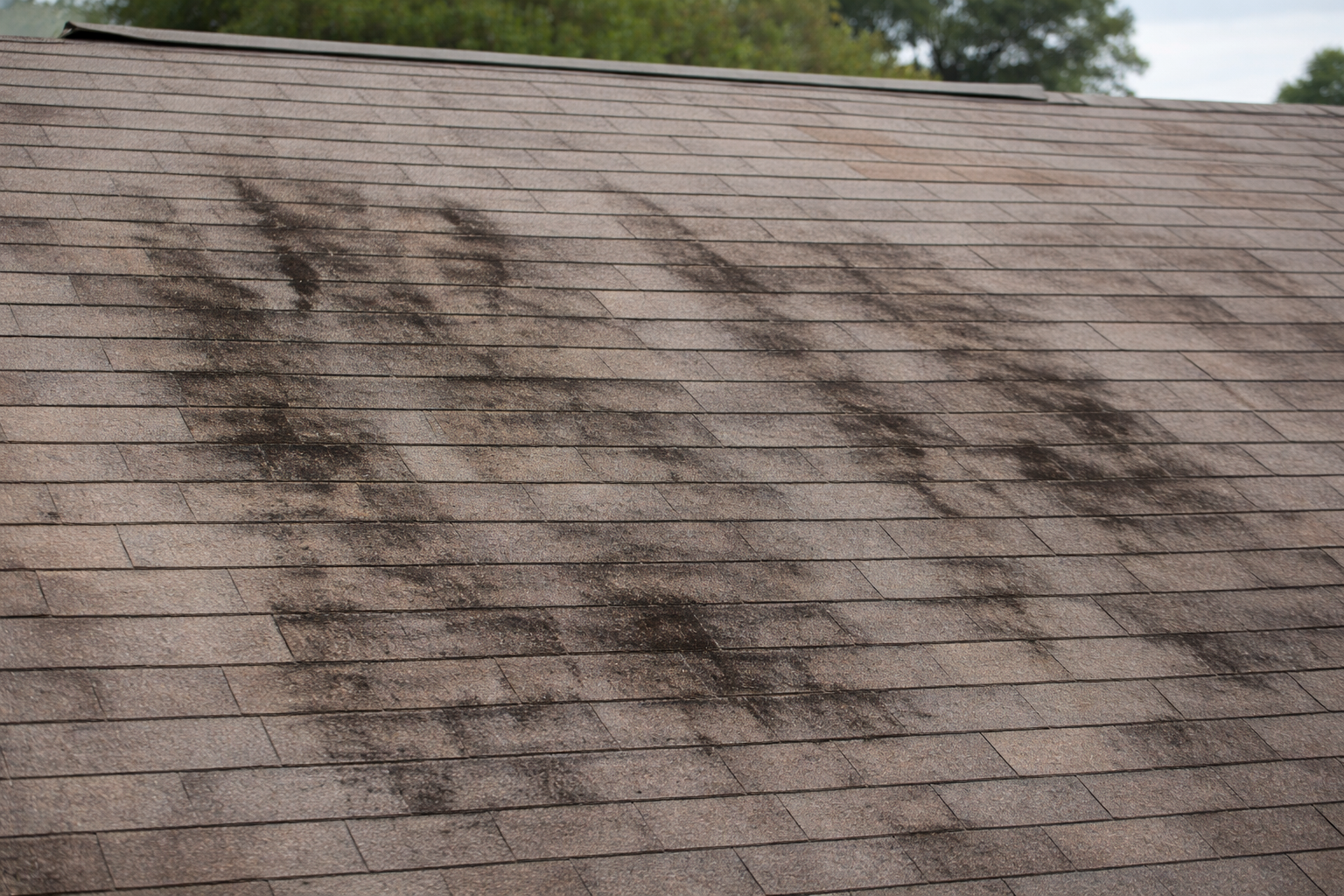
You’re probably asking this because your asphalt roof looks mostly OK, but someone’s telling you it’s “near end of life,” and you’d rather not send a perfectly serviceable roof to the landfill. Roof rejuvenation sounds like the responsible middle option: less waste and more time. The problem is that most explanations you find online feel like a sales pitch, so it’s hard to tell whether you’re making a genuinely greener choice or just paying to delay the same tear-off.
In practice, the decision usually comes down to timing. The key question is whether rejuvenation prevents a premature tear-off by buying you meaningful time, rather than only changing the invoice. This article breaks that down in plain numbers, so you can picture what replacement day creates at your house and match that impact against what rejuvenation can realistically change on your specific roof in coastal North Carolina.
The Greenest Option Depends on Timing

You can spend thousands on the “green” choice and still end up with the same dumpster in your driveway at the same time you would have replaced anyway. The only thing that changes the environmental math in the roof rejuvenation vs replacement decision is whether you avoid that early tear-off.
Rejuvenation is only “greener” when it keeps you from tearing off the roof earlier than you otherwise would. A typical single-layer asphalt tear-off can mean roughly 2.5 lb of shingles per square foot, so an average 2,000 sq ft roof can send about 5,000 lb (around 2.5 tons) to the landfill. If you can keep that material on the house longer, you avoid the biggest waste pulse.
But don’t treat “replace and recycle” as automatically responsible; that assumption is wishful thinking, no matter what Consumer Reports-style checklists say. Rejuvenation becomes a net environmental win when it buys you meaningful time, think several storm seasons, not kicking the can down the road into another tear-off and another round of trucks, dumpsters, and new materials.
A simple roof inspection can confirm whether you’re dealing with normal aging or damage that makes a tear-off unavoidable. Read more in our article: Typical Roof Inspection
Your Roof’s Waste Footprint in Plain Numbers

“Millions of tons” of shingle waste is hard to feel until you picture what replacement day creates at your house. Nationally, asphalt shingles add up to roughly ~11 million tons per year manufactured and disposed, and ~7–10 million tons of that is specifically tear-off waste from re-roofing. That means the biggest environmental hit, the roof replacement environmental impact, often comes from the moment you decide to strip off a roof that’s still holding together.
To translate that to your driveway, a widely used rule of thumb for a single-layer asphalt tear-off is about 2.5 lb per square foot. That dumpster adds up fast. So if your roof is around 2,000 sq ft, you’re looking at roughly 5,000 lb of debris (about 2.5 tons) just in shingles, before you add underlayment and flashing scraps.
The detail that changes everything is layers. It’s worth confirming the number of layers first. If you have two layers, you can roughly double the shingle portion of that waste, along with the number of loads, the time the dumpster sits out, and the cleanup risk. As an example, that “about 2.5 tons” can become “about 5 tons” fast, which is why it’s worth asking one blunt question before you decide what’s “green”: How many layers are on my roof right now, and where is the tear-off actually going (landfill vs. a real shingle-recycling outlet)?
When Roof Rejuvenation Is Truly Greener
If rejuvenation is going to matter, it has to buy you enough runway to skip an entire replacement cycle, not just make the roof look better for a season. That difference is easiest to see when you tie it to how the roof actually fails under wind and water.
Rejuvenation only helps environmentally if it pushes replacement far enough out to avoid an early tear-off. If your roof is headed for tear-off in the near term because the shingles have lost physical integrity, spraying anything on top doesn’t avoid waste, it just adds a trip, a product, and a false sense of runway. In coastal North Carolina, where UV and wind-driven rain accelerate aging (classic Wilmington NC coastal roof issues), the environmental win comes from buying multiple storm seasons you would’ve otherwise spent under a dumpster and a new materials order.
Use a simple threshold: roof rejuvenation sustainability only pencils out environmentally if you can reasonably expect it to delay replacement long enough to skip a premature tear-off cycle. Practically, that means you’re not trying to “save” a roof that already shows failure patterns that chemistry can’t reverse.
| Decision signal | More consistent with rejuvenation (“life extension”) | More consistent with replacement/repairs (“delay tactic”) |
|---|---|---|
| Field shingle condition | Shingles still have structure; no widespread cracking, missing tabs, exposed fiberglass mat, or repeated blow-offs after routine coastal wind events | Widespread cracking, missing tabs, exposed mat, or repeated blow-offs suggest physical failure rejuvenation can’t reverse |
| Leak profile | Leaks aren’t the story; not chasing active leaks at details | Active/chronic leaks at valleys, chimneys, skylights, or step flashing point to detail repairs or replacement, not whole-roof treatment |
| Time gained | You’re gaining meaningful time (multiple storm seasons); vendor defines “success” in years | Promised benefit sounds like a short bridge to the same tear-off; hard to call it greener |
| Constraints (insurance/storm timing) | Insurance and storm timing won’t force your hand; treatment changes your practical timeline | Insurer underwriting or storm timing will force replacement anyway; treatment doesn’t change eligibility/schedule |
If you want one question that cuts through the marketing. “If a named storm hits this season, what changes about my roof’s failure risk after rejuvenation, and what doesn’t?” A credible answer will draw a line between cosmetic darkening and actual performance under wind and water.
In coastal North Carolina, salt air and humidity can accelerate granule loss and brittleness, which shortens the window where rejuvenation can realistically add time. Read more in our article: Salt Air Humidity Shingles
When Replacement Can Be the Greener Move

About 7 to 10 million tons of U.S. asphalt shingle waste each year is tear-off material from re-roofing, so the day you strip a roof is where most of the impact lands. That only looks “greener” when you can prove the disposal and recycling path is real, not assumed.
Replacement can be greener when rejuvenation would only postpone an inevitable tear-off while you keep risking rot or repeated leak repairs; at that point, you’re throwing good money after bad while the decking slowly softens from moisture. If you’ve got chronic leaks (especially around valleys, chimneys, or step flashing), soft decking you can feel underfoot, or failure risk that won’t survive another hurricane season, a full tear-off lets you fix what you can’t see: wet sheathing, bad ventilation, and compromised details that shorten roof life.
Replacement only makes environmental sense if the disposal and recycling route is verified; a clean BBB listing doesn’t prove that. Don’t accept “we recycle” as a vibe. Ask where the tear-off is going, whether they separate shingles from wood and metal, and what facility, like an asphalt shingle recycling near me option, actually takes tear-off shingles in your area.
Chimneys, vents, and flashing details are among the most common sources of recurring leaks that push homeowners into replacement sooner than planned. Read more in our article: Roof Leaks Chimneys Vents
A Quick Decision Checklist
A Wilmington homeowner books a rejuvenation in spring, then gets a mid-summer underwriting notice that forces replacement before hurricane season anyway. A fast sanity check upfront can keep you from paying twice for the same outcome.
If a tear-off is imminent, rejuvenation won’t reduce your footprint or change your roof restoration carbon footprint. It just adds another service visit and product before the same dumpster shows up.
Choose rejuvenation if your shingles still have structural life left (no widespread cracking or exposed mat), you’re not chasing active leaks at details, and you can reasonably expect to extend life of asphalt shingle roof by multiple storm seasons. Choose replacement if you’ve got chronic leaks or soft decking, your insurer or storm timing will force the job regardless, or you can’t verify a real shingle-recycling outlet for the tear-off when weighing roof rejuvenation cost vs replacement.
Roof not getting any younger? Contact us or call 703-673-6301 to find out where you stand.