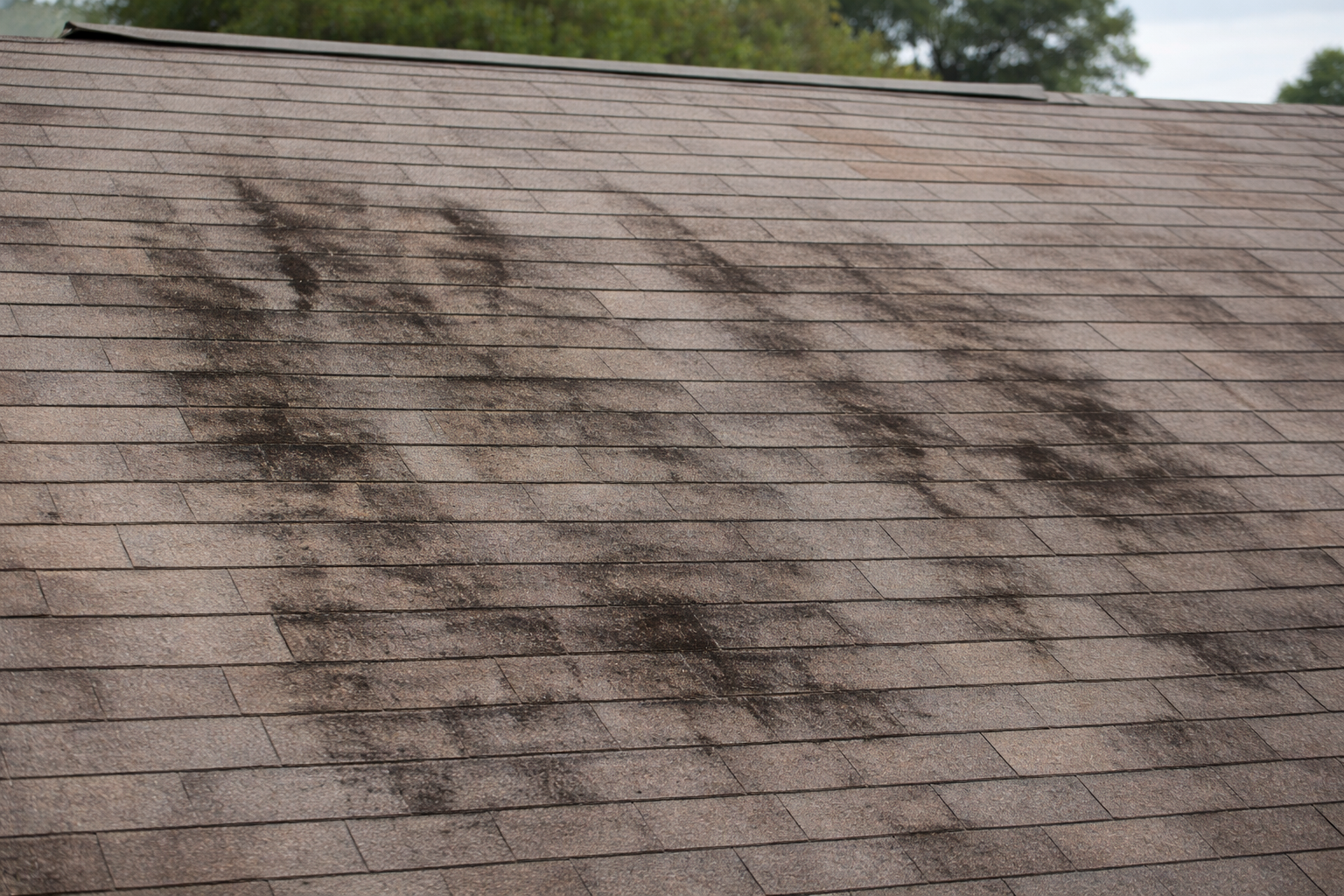
You’ve probably heard some version of “your roof is near end of life,” even though it still looks mostly fine from the yard. Now you’re stuck between an expensive, disruptive replacement and a cheaper “roof rejuvenation” service that sounds promising, but also sounds like marketing.
Roof rejuvenation is best understood as asphalt shingle rejuvenation for shingles that are aging, not failing: you keep the roof you have and try to slow further drying and cracking. Replacing a roof is a full reset of the entire roofing system, and it’s the safer call when you’ve got active leaks or widespread shingle breakdown. If you live around Wilmington or the nearby beaches, that distinction matters even more for roof rejuvenation Wilmington NC. Sun, salt air, and storm cycles can make a roof look okay while weak points form.
Roof Rejuvenation vs Replacement
Roof rejuvenation is a maintenance treatment for an aging asphalt shingle roof that’s still fundamentally intact. You keep the existing shingles and aim to slow further drying and cracking, typically as a one-day, low-disruption service. It can buy time, but it can also be kicking the can down the road.
Roof replacement removes and disposes of the old roofing and installs a new system (shingles, underlayment, and usually new flashings as needed). It costs more and disrupts your home more, but it resets the roof’s lifespan and risk profile. If you’re hoping a shingle rejuvenation spray fixes active leaks or bad flashing, you’re just wrong about the scope.
If you’re trying to judge whether a roof is “aging” versus “failing,” the specific wear patterns you see (like granule loss, edge lifting, or exposed fiberglass) make a big difference in the right next step. Read more in our article: Normal Shingle Wear Vs Damage
| Decision factor | Rejuvenation fits when… | Replacement fits when… |
|---|---|---|
| Roof condition | Aging, not failing; shingles still intact | Failing; system performance compromised |
| Leaks | No active leaks | Active/recurring leaks or attic staining |
| Structure | Decking is solid (no soft spots) | Soft decking, sagging planes, hidden rot risk |
| Details (flashings/boots) | Flashings/pipe boots are intact | Cracked flashings/boots, repeated leak points |
| Shingles | Minor edge lifting/dry look; mostly uniform | Widespread cracking/missing tabs/exposed fiberglass |
| Goal & timeline | Buying time (e.g., 3–5 years) with low disruption | Full reset of lifespan and risk profile |
When Rejuvenation Is the Smart Bet

A neighbor gets quoted for a full replacement, then a contractor points out the decking is solid and the leak points are fine. They choose a one-day treatment instead, and buy a few seasons without turning the house into a jobsite.
Rejuvenation fits best when the roof is still intact, but the shingles are clearly getting brittle with age. Think of a roof that’s 10 to 20-ish years old, looks mostly uniform from the yard, and has no active leaks, but you’re starting to see early brittleness and that “dry” look that shows up fast in coastal Wilmington sun and salt air. In that scenario, a full reset can be overkill. You may just need a pit stop before a few more hurricane seasons.
It’s also a rational move when your goal is time-boxed. For instance, you’re planning to sell in 3 to 5 years, or you need budget predictability after a surprise insurance increase. Replacement isn’t automatically the most responsible option just because it’s the most expensive one.
A simple way to “green-light” rejuvenation is to ask: is the roof’s structure and water-shedding details sound? You’re looking for intact decking (no soft spots) and shingles that still have their basic shape and coverage, even if they’ve started to dry out.
When Replacement Is the Safer Call

You can do everything “right” with a treatment and still end up chasing stains across a bedroom ceiling after the next hard rain. Once the roof system is failing, delaying the reset tends to get expensive fast.
Once the system tips from intact to compromised, replacement is usually the safer move. Rejuvenation cannot rebuild the water-shedding system underneath. For instance, if you’ve had active leaks around a chimney or pipe boot, or you can feel soft decking from the roofline, you’re dealing with a problem the spray won’t touch.
You should also rethink any plan to “buy time” if you see widespread shingle breakdown: broad granule loss with exposed fiberglass or sagging roof planes. At that point, do it right the first time.
Leaks around chimneys, vents, and pipe boots are among the most common “small” issues that turn into repeat ceiling stains during heavy rain. Read more in our article: Roof Leaks Chimneys Vents
What the Science and Warranties Actually Prove
One commonly cited lab-style protocol runs 1,500 hours of accelerated weathering, intended to approximate about five years, using shingles pulled from a real roof at around 15 years old. That’s more specific than most marketing claims, and the details change what the results mean.
Most of the “science” here is about shingle aging, not staying watertight. Consumer Reports would make the same distinction. Independent lab-style testing often follows a split-sample setup: older shingles from a real roof, some treated and some left alone, then both groups run through accelerated weathering for a defined period. If the treated samples retain performance better in that model, that’s meaningful, but it’s evidence about how the shingle ages, not proof that your specific roof system won’t leak.
A roof rejuvenation warranty often mirrors that same boundary. Many rejuvenation warranties are commonly around five years and may be written around restoring or maintaining “flexibility” or slowing brittleness, because that’s something you can define and test more cleanly than “no leaks” (as noted by NRCIA). That detail matters. Water intrusion is the only thing that counts. Even with “healthier” shingle-surface numbers, a roof can still leak at a cracked pipe boot or worn chimney flashing. The treatment didn’t fail; it just never addressed the leak pathway.
So when you compare claims like “adds five years” or “guaranteed,” force the translation into roof-owner language: What exact condition triggers coverage, and what gets excluded (flashings, boots, decking, and prior leaks). If the guarantee only commits to a material property while your risk is a storm-driven leak, you’re buying a different kind of protection than you think.
Coastal North Carolina Reality Check

In Wilmington and nearby beach communities, your roof ages in a harsher mix than most national advice assumes: strong UV and high humidity that feeds algae and moss. So it can still look “mostly fine” from the driveway even as weak points develop out of sight. It is like termites in the sill plate.
So adjust what you inspect before you decide. Prioritize leak-prone details that storms exploit: chimney and wall flashings, and any sign of soft decking in valleys or around penetrations. Rejuvenation may help slow shingle aging, but it won’t toughen failing flashings or stop wind-driven rain from finding a weak seam.
On the coast, salt air and humidity can accelerate shingle drying and make roofs look fine from the street while the material is weakening faster than you’d expect. Read more in our article: Salt Air Humidity Shingles
Questions to Ask Before You Sign
If you get clean answers up front, you can compare bids on the same scope and avoid surprise exclusions. A few pointed questions will tell you whether you’re buying maintenance or buying a headache.
Before you pick a provider, get a roof rejuvenation inspection and a second set of eyes on it. Price comparisons are a joke if one quote includes repairs and the other is just a spray. Check BBB accreditation too. Ask: What exact product are you applying, and will you give me the technical sheet? What prep and repairs are included (pipe boots and small flashing touch-ups), and what’s explicitly excluded? What conditions disqualify my roof today (active leaks and soft decking), and will you document those with photos before you start?
Then get specific on proof and follow-through: What does the warranty cover in plain language, and is it tied to “flexibility” or leak-related outcomes? What is the retreatment plan (timing and cost)? If there’s a claim like “adds five years,” what’s the company’s process if I see a ceiling stain next year: who comes out, and what do you actually do?
Roof not getting any younger? Contact us or call 703-673-6301 to find out where you stand.For roofs that are weathered but structurally sound, our roof rejuvenation crew in Wilmington adds 6 or more years of life.