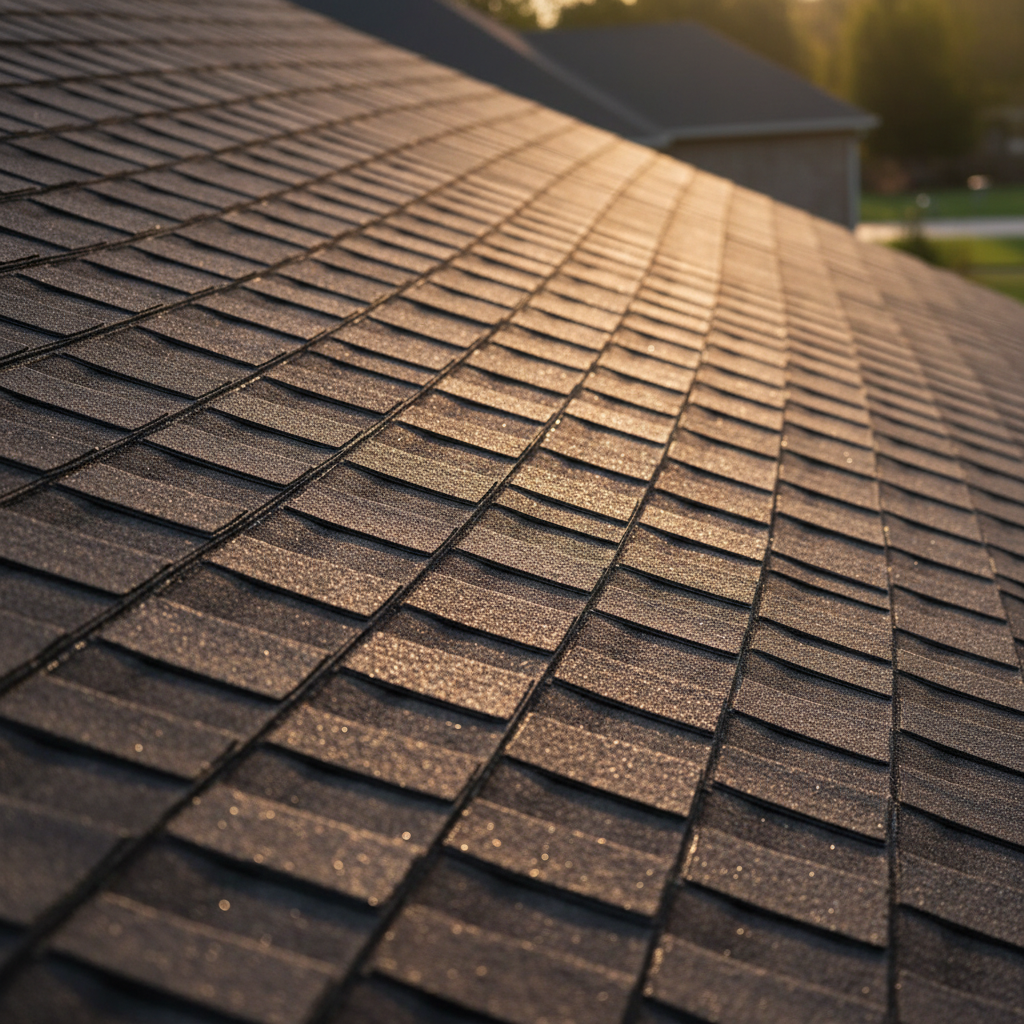
You can stand in your driveway, look up, and still miss the early clues that your roof is running out of protection. In Wilmington and other coastal North Carolina communities, sun, salt air, and wind-driven rain can push a “looks fine” roof into high-risk territory faster than you’d expect. If you’re thinking, “I’m trying to get ahead of it,” treat that as a clue. This is like a raincoat with a seam starting to fail. The first obvious interior stain often shows up after the damage has already started.
This guide helps you spot the warning signs that matter and sort them by risk so you know what to do next instead of guessing. You’ll learn how to separate normal surface aging from weak-point failures (like flashing and penetrations) and from moisture or structural red flags that can signal end-of-life even when your ceilings look clean.
The Three Risk Buckets to Watch
Misread one clue and you can pay twice: a rushed patch now, then a bigger repair when the next storm hits the real weak spot.
When you notice a “roof sign,” sort it into one of three buckets. It is the same kind of triage mindset as a coastal North Carolina hurricane season prep checklist, and it beats the guesswork every time: surface aging (granule loss and fading), weak points (flashing and lifted tabs), and system moisture/structure (attic dampness and sagging). In coastal North Carolina, wind-driven rain and salt air can make weak points and moisture issues accelerate faster than the shingles’ age suggests.
| Risk bucket | What you might see (examples) | What to do next |
|---|---|---|
| Surface aging | Granule loss, fading, algae streaks | Track and plan; document and monitor |
| Weak points | Flashing/valley/vent/chimney issues, lifted tabs | Inspect now; prioritize targeted repair |
| System moisture/structure | Attic dampness, stained decking, soft spots, sagging | Inspect now; plan for replacement if confirmed |
Ceiling stains usually show up after the problem has had time to spread. Use the buckets to decide what you do next: surface aging usually means “track and plan,” while weak points and moisture/structure mean “inspect now” because small failures there can turn into expensive repairs.
Surface Wear That Predicts End-of-Life

A homeowner notices one corner lifting and ignores it. Six months later, the same slope looks subtly rippled in three places, and the first quote they get is no longer a simple repair.
When the shingles themselves start failing as a material, you’ll often see it before you ever see a leak. The highest-signal surface wear looks like curling tabs (real material fatigue) and “bald” areas where granules are gone enough that you can see darker substrate (see granule loss and substrate exposure guidance). In Wilmington’s sun, wind, and salt air mix, these can show up earlier on the ocean-facing or most sun-baked slopes.
What makes these signs serious isn’t one ugly spot. It’s the pattern: repeated patches across a slope, multiple slopes showing the same behavior, or whole runs of shingles that look brittle and distorted rather than flat. For example, if you notice scattered bare-looking rectangles and cracked corners in several places, it’s on borrowed time and the roof’s protection is wearing off like sunscreen after a long day at Wrightsville Beach.
Action you can take today: do a slow walk-around after good daylight and look for consistent curling lines, wavy rows, and matte bald patches (not just dark streaks). If you can spot any of those clearly from the ground, treat it as a prompt to document with photos and get a roof-specific inspection rather than waiting for a ceiling stain.
Curling, cracking, and widespread “bald” patches are often the point where homeowners start asking whether a life-extension treatment is still realistic. Read more in our article: Shingles Too Far Gone
Granules in Gutters, When It Matters
Typical roof replacement averages around $9,500 (per recent consumer cost estimates), so it matters whether those “sand” grains are a real warning or a false alarm that sends you into unnecessary decisions.
Sand-like granules in the gutters often come from normal wear, particularly on newer shingles (see manufacturer guidance on granule sloughing). They can also appear after a hard storm, a cleaning, or foot traffic on the shingles. The mistake is treating any granules as a verdict. That is lazy diagnosis. Sanity-check the situation the same way people use HomeAdvisor and Angi to compare typical project costs before they panic, and don’t treat a big dump after a storm as “proof” you need a new roof.
It starts to matter when the buildup keeps returning on a 10–25+ year roof and you can spot true “bald” patches from the ground: dark, matte areas that look like the protective layer is gone. In that case, take photos, note which gutter run collected them, and schedule a roof-specific inspection instead of waiting for a leak.
A recurring pile of granules in one gutter run can help pinpoint which roof slope is shedding protection fastest after storms or heavy sun exposure. Read more in our article: Leftover Granules Gutters
Coastal Accelerants: Algae, Salt, Wind

In Wilmington and nearby beach communities, you can hit end-of-life signals earlier because the roof stays damp longer and takes more wind-driven abuse (including black streaks tied to cyanobacteria (“roof algae”) on roof shingles). Persistent dark streaking (often “roof algae” or cyanobacteria), uneven fading on ocean-facing or sun-baked slopes, and shingles that look gritty or “thin” in patches aren’t just cosmetic here, because they can point to a surface that’s holding moisture and shedding protection faster even if your ceilings still look perfect.
Also watch the metal details, because roof corrosion near ocean conditions don’t need a leak to do damage, and I don’t want to get nickel-and-dimed by small failures that stack up. Rusty nail heads at exposed fasteners, corroded flashing edges, or oxidized drip edge mean the roof’s weak points may be degrading while the shingle field still photographs well. It is like corrosion on a car battery terminal. It can spread without obvious signs. If you catch yourself thinking, “No stains inside, so we’re fine,” you’re betting your budget on the one sign that usually shows up last.
In coastal North Carolina, salt air and humidity can shorten shingle lifespan by accelerating drying, brittleness, and corrosion at roof edges and metal details. Read more in our article: Salt Air Humidity Shingles
Decide: Rejuvenation, Repair, or Replace
When you pick the right lane early, you stop chasing symptoms and start budgeting on your terms: stabilize what’s small, and plan ahead for what’s not.
If your signs stay mostly in surface aging (streaking, fading, light granule shedding without bald patches), prioritize rejuvenation/maintenance to slow wear and buy time. If you’re seeing weak points (lifted tabs, roof flashing failure signs, valley/vent issues, localized wind damage), choose targeted repair now. Waiting is how you end up in an insurance “wind/hail” claim conversation with the adjuster. Small openings in coastal wind-driven rain don’t stay small.
If you have system moisture/structure clues (attic staining, damp decking, soft spots, sagging) or widespread curling, cracking, and bald areas, plan for replacement, even if you haven’t had a leak yet. Using a ceiling stain as your trigger usually guarantees the costliest timing. I just want a straight answer. Treat it like a smoke alarm that only beeps after the kitchen is already on fire.
Roof not getting any younger? Contact us or call 703-673-6301 to find out where you stand.