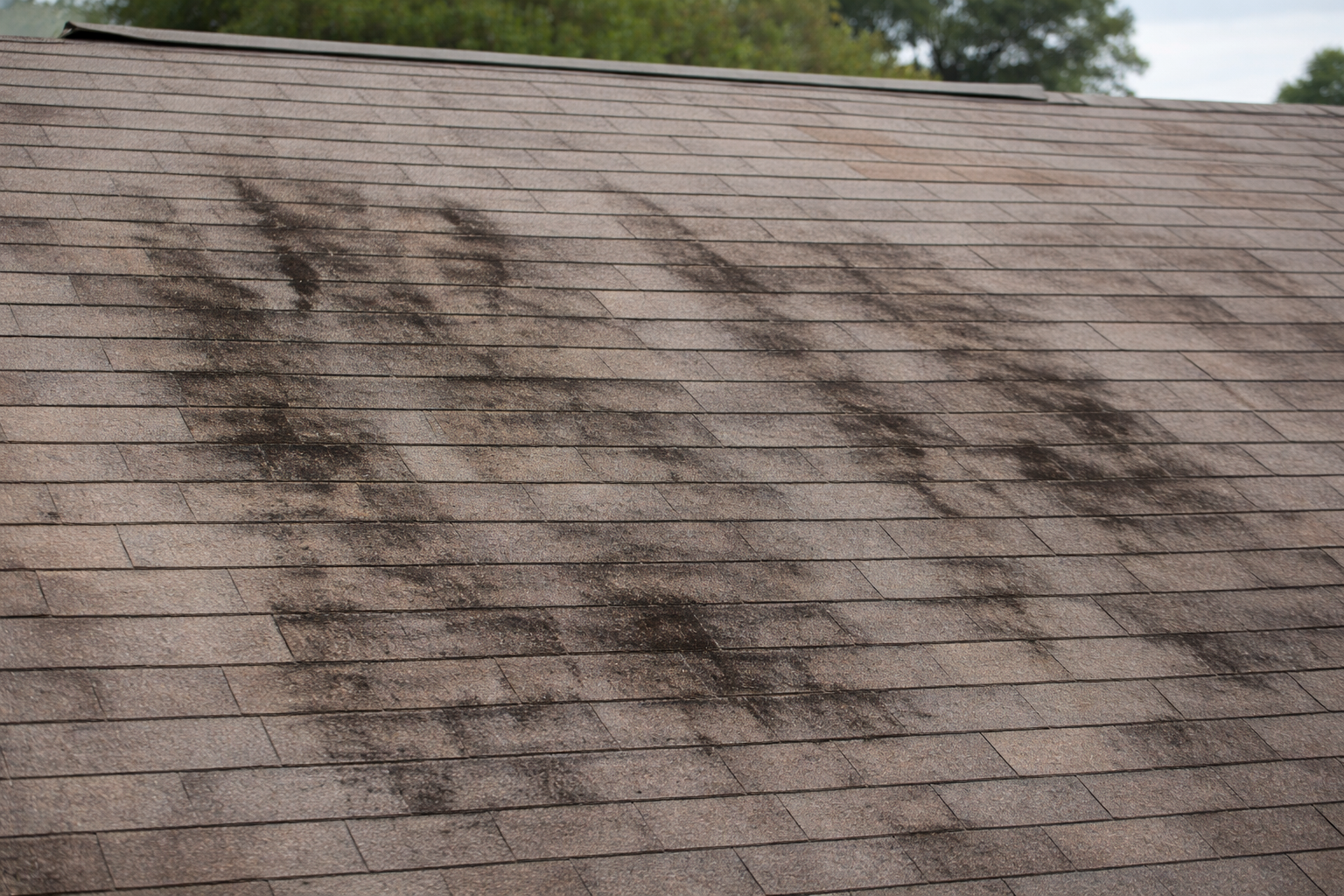
If you’re asking whether roof rejuvenation is a real alternative to replacement, the answer is yes, sometimes. It can make sense when your shingles are aged but still intact. It’s not a reset to a brand-new roof.
If your roof “looks fine” from the yard but a contractor is pushing a $15,000–$30,000 replacement, you’re probably trying to kick the tires on a legitimate time-buying option versus a spray-on sales pitch, especially heading into coastal storm season. This guide helps you make that call using the only distinction that really matters. Is your roof still performing, or has it started failing? You’ll learn what rejuvenation is designed to change (brittleness and flexibility) and the red flags that make replacement the safer move, so the scope and promises match your roof’s real condition.
When Roof Rejuvenation Is Real

Roof rejuvenation is real when your asphalt shingle roof rejuvenation candidate is old but still performing. It is not a magic fix, and anyone selling it that way is wasting your time, roof rejuvenation legit claims should match the roof’s condition. No active leaks and no missing shingles. Think “brittle and weathered, but intact” like a 15–20-year roof in Wilmington that sheds water fine after a heavy rain, yet looks dry and a little tired up close.
If you’re treating it as a way to buy time (not a reset to brand-new), rejuvenation can credibly replace a near-term replacement decision. Don’t let roof age alone force a $20k-plus timeline shift; instead, confirm candidacy with an inspection that’s focused on failure signs, not just appearance, the way Consumer Reports would tell you to verify performance over marketing claims.
A quick way to avoid overpaying is to separate normal aging (dryness and stiffness) from true damage like exposed mat, missing tabs, or compromised flashing. Read more in our article: Normal Shingle Wear Vs Damage
When Replacement Is The Safer Call
Once your roof has moved from “aged” to “failing,” replacement is the safer call because a conditioning spray can’t reverse structural damage or make water paths disappear. For instance, if you’ve had staining on ceilings after a Wilmington thunderstorm, or you’re chasing the same leak around vents and chimneys, you’re past the point where buying time is smart.
Most recurring “mystery leaks” on older roofs trace back to penetrations like chimneys and plumbing vents rather than the field shingles themselves. Read more in our article: Roof Leaks Chimneys Vents
| Roof condition signal | What it suggests | Practical takeaway |
|---|---|---|
| No active leaks | Still performing | Rejuvenation can be a time-buying option if the roof is otherwise intact |
| No missing shingles | Still intact | Rejuvenation may make sense if the goal is time, not a reset |
| No widespread curling/cracking | Not broadly deteriorated | Rejuvenation is more plausible when issues are stiffness/brittleness, not damage |
| Active leaks | Failing | Replacement is the safer call |
| Missing shingles | Failing | Replacement is the safer call |
| Repeated wind blow-offs | Failing | Replacement is the safer call |
| Widespread curling/cracking | Failing | Replacement is the safer call |
| Exposed fiberglass/mat | Failing | Replacement is the safer call |
| Soft decking spots | Structural risk | Replacement is the safer call |
| Major flashing failures | Water-path risk | Replacement is the safer call |
What Rejuvenation Can And Can’t Do

A homeowner hears “rejuvenation” and assumes it means “seal it so it won’t leak” (does roof rejuvenation stop leaks), then gets a rude surprise after the next hard rain. The difference between conditioning shingles and fixing failures is where most of the money mistakes happen.
Roof rejuvenation works (when it works) because a roof rejuvenation spray treatment is trying to condition an aging asphalt shingle back toward flexibility. As shingles dry out over time, they can get brittle, which makes them more prone to cracking or getting creased and lifted in wind. A bio-based rejuvenation treatment aims to restore some pliability so the shingle can better tolerate expansion and contraction instead of behaving like a dry cracker.
What it can do is help an intact roof stay intact longer, especially if your roof’s main issue is “old and stiff” rather than “actively failing,” and I’m firmly of the view that this is only worth doing when it clearly delays a replacement. Case in point: if your roof isn’t leaking, but the shingles feel dry and look weathered up close, conditioning may buy you time by reducing brittleness-related breakage and helping the surface shed water the way it already has.
What it can’t do is turn a failing roof into a sound one. It doesn’t re-build worn-out flashing details or replace missing shingles. If someone sells it like a leak-proofing system or a structural fix, you’re not hearing a realistic description of the mechanism, you’re hearing roof rejuvenation scams dressed up as an Angi (Angie’s List) grade sales pitch.
The practical move during an estimate is to force the scope to match the claim: ask what problem they believe your roof has (brittleness vs. damage) and what they’re explicitly not promising (leaks, decking, flashing). That one conversation can keep you from paying “a few thousand” for something you actually needed to replace.
The Decision Framework For Your Roof
Treat this decision like a preflight checklist, not a popularity contest between “spray it” and “replace it,” and anchor it to a roof inspection Wilmington NC that documents condition. You’re choosing whether to spend a few thousand to buy time or spend $15,000–$30,000 to reset the clock, and the right answer depends on what an inspection says about what’s failing, not how the roof looks from the yard.
Use one simple rule: if the roof is intact and your goal is time, rejuvenation can make sense. Let the inspection results settle it. If the roof is already failing, replacement wins. For instance, a 17-year roof in Wilmington that hasn’t leaked but feels brittle up close might be a reasonable “buy a few years” candidate. The same-aged roof with recurring wind lift on ridge caps or a history of leak stains after heavy rain is telling you it’s done, even if most shingles still look fine.
To make the call after an inspection, walk through these three questions in order
-
Is it performing today? Ask for a yes/no on active leaks and missing shingles. One “yes” here should push you toward replacement.
-
What’s your time horizon? Decide how long you need the roof to reliably last (sell next year or ride out 3–5 years). Rejuvenation only pencils out when “buy time” is the honest goal.
-
What happens if you’re wrong? If a delay creates high downside for you (finished ceilings below or insurance pressure), you should weight replacement more heavily than the price tag suggests.
If a contractor can’t tie their recommendation to these three answers, you’re not hearing a roof plan, you’re hearing a sales script.
A written inspection report with photos makes it much easier to compare quotes and understand whether you’re buying time or postponing an inevitable failure. Read more in our article: Typical Roof Inspection
Cost and ROI in Coastal NC

With roof replacement Wilmington NC commonly landing around $15,000–$30,000, a treatment priced at roughly 15%–25% of that can look like an easy win. The catch is whether it truly buys time on your specific roof, or just adds another bill before the inevitable replacement.
Rejuvenation only “wins” financially when it delays a typical $15,000–$30,000 replacement rather than pretending to substitute for a new roof. Many quotes land around ~15%–25% of replacement, so you’re usually deciding whether spending a few thousand now to delay a big outlay fits your timeline. Done for the right timeline, the tradeoff can be compelling. It is not something you should treat like a Home Depot / Lowe’s weekend project aisles impulse buy, especially heading into hurricane season.
Don’t base the math on the spray price alone. Ask how often it’s expected to be re-applied to keep working for your roof, and compare scopes apples-to-apples because quotes often bundle soft washing/algae removal and gutter cleaning. If you assume “rejuvenation = one-and-done bargain,” you’ll pick the wrong option for the right roof, so run the numbers on reapplication and scope before you sign.
Questions to ask before you sign

If the scope is fuzzy, you can end up paying for a “treatment” that doesn’t include the prep and small repairs that make the whole job work, then arguing about exclusions when problems show up. Tight questions upfront are what prevent expensive misunderstandings later.
Before you treat this like a simple “spray and done” job, make the contractor define the scope in writing, like a recipe you can actually follow. For example, a higher quote might include soft washing and algae removal, which changes both cost and near-term performance.
Ask: What exact prep and repairs are included? What product is being applied, and what problem is it meant to change? What are the explicit exclusions (leaks, flashing, decking)? What warranty do you get, and what voids it? Will you provide photos and documentation I can show an insurer if there’s a storm claim later?
FAQ, Roof Rejuvenation vs Replacement
How Many Years Can Roof Rejuvenation Realistically Buy You?
If your shingles are aged but still intact, rejuvenation can sometimes buy you a few more years of service, not a full “reset” to new-roof life. Treat any guarantee that sounds like “good as new” as a sign the scope and risk are getting glossed over, and in my view that kind of talk is a deal-breaker.
Will You Need To Reapply A Rejuvenation Treatment?
Often, yes. If you’re using rejuvenation as a time-buying strategy, you should expect that the treatment’s benefit may fade and that a reapplication could be part of the plan, especially if you’re trying to bridge more than one storm season.
Does Coastal Salt Air Or Algae Change The Decision In Wilmington?
It can, mostly because what looks like a simple spray job often turns into a bundled scope: cleaning, algae removal, minor shingle repairs, and sealing obvious entry points. That’s not automatically bad, but you should judge the quote on whether it improves performance without aggressive cleaning that scuffs shingles or accelerates granule loss.
If My Roof Isn’t Leaking, Isn’t Replacement Overkill?
Not always, but “no leak yet” isn’t the same as “low risk,” especially if you’ve got repeated wind lift, exposed fiberglass/mat, or widespread cracking that can turn into a leak fast in a coastal storm. Use leak-free status as one data point, not the whole decision.
When Should You Schedule An Inspection If You’re On The Fence?
Schedule it before hurricane season ramps up or as soon as you notice any change, like a new stain or loose tabs after wind, and keep Neighborhood HOA/architectural review committee (ARC) guidelines and approval process in mind if your next step could be a visible replacement. The earlier you confirm whether your roof is intact or already failing, the more control you have over timing and cost.
Roof not getting any younger? Contact us or call 703-673-6301 to find out where you stand.The fix is often simpler than it looks. HardShore’s roof rejuvenation service in Wilmington starts with a free inspection and a written report.