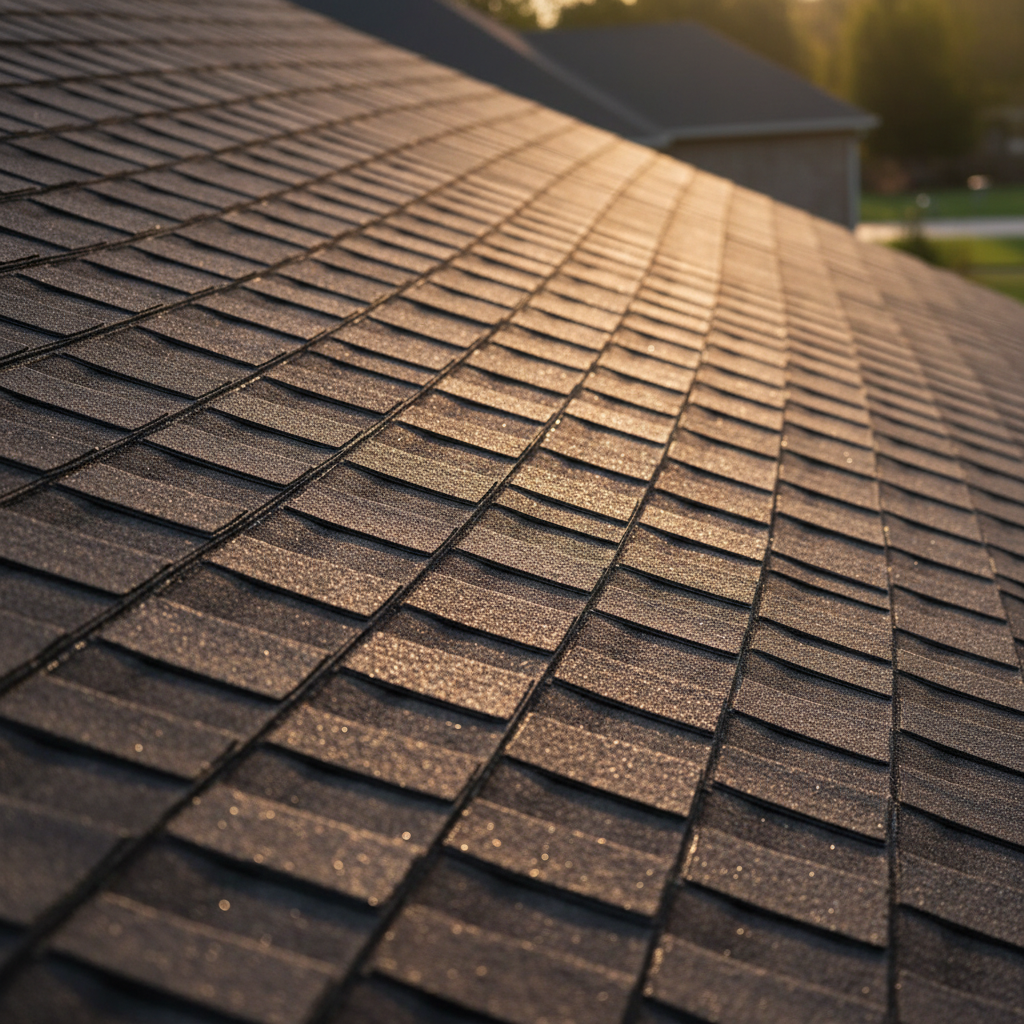
If your roof is about 20 years old, you’re asking one thing: how much time can rejuvenation buy you? Realistically, it’s often 3–5 years if the shingles and the roof system are still sound, and 0–2 years if the roof is already mechanically failing.
The hard part is that “20 years old” doesn’t tell you enough by itself, especially in coastal North Carolina where UV and wind-driven rain shrink margins fast. In this guide, you’ll see what rejuvenation can and can’t do and the pass/fail condition signals that matter more than the warranty label on the shingle.
The Realistic Years-Added Range

Most homeowner-facing guidance clusters around the same reality check: when a roof is still structurally sound, rejuvenation tends to buy about 3–5 years per application, not the headline-grabbing 10–15. Typical roof rejuvenation cost quotes often land in the $1,500–$3,500 range, so the only honest question is what you are paying per year of delay.
On a structurally sound 20-year-old asphalt shingle roof, an asphalt shingle rejuvenation treatment typically adds 3–5 years. That number isn’t “making a 20-year roof new again.” It’s more like putting fresh tread on a worn tire, not resetting the clock.
If you’re seeing widespread granule loss down to the mat or cracking and brittleness, age 20 often means 0–2 years of remaining 20 year shingle roof life expectancy. If you’re counting on a headline claim like “10–15 years,” you’re usually just kicking the can down the road. Treat it as a bridge to plan and save, not a replacement substitute.
When Rejuvenation Still Works at 20
At 20 years old, rejuvenation only “works” when you’re treating a roof that’s dried out but still fundamentally intact. That’s a narrower slice than most homeowners expect because the limiting factor usually isn’t the shingle’s surface, it’s whether the shingle and the roof system can still behave like a roof in Wilmington’s sun, salt air, and wind-driven rain.
You’ll make a better call by treating this like a pass/fail inspection, not a calendar question. If the shingles can’t physically flex and seal, adding oils or conditioners won’t change a thing. The next nor’easter still decides.
Look for these good signs before you spend money. Get a second set of eyes on it.
Flexibility is still there: on a warm day, a pro can gently lift a tab and it bends without cracking or snapping.
Shingles lie flat: no widespread curling, cupping, or lifted edges that create wind grab points.
Granule loss isn’t down to the mat: normal peppering in gutters is one thing; bare spots where you can see the underlying mat/fiberglass is another.
Seal tabs are mostly holding: shingles aren’t broadly unsealed or flapping, especially on ridge-to-eave runs that face prevailing winds.
The “system” isn’t the weak link: no recurring leak history around pipe boots, step flashing, chimneys, or skylights, and no soft decking feel or staining seen from the attic.
These are fail signals that usually mean rejuvenation buys little time (or just adds risk): brittle cracking when handled or widespread delamination/curling.
At 20 years old, the deciding factor is usually whether your shingles still have enough flexibility to resist cracking in wind and temperature swings. Read more in our article: Shingle Flexibility Test
Coastal NC Factors That Shrink Time

A homeowner near Wrightsville Beach treats to buy time, then one season later a small lifted edge turns into a ceiling stain after a sideways rain. The difference was not the product, it was how quickly coastal exposure punished the weak details.
In Wilmington and nearby beach communities, coastal exposure can erase “years added” faster than the chemistry can keep up. Strong UV and hot attic temps accelerate drying and brittleness, and wind-driven rain finds tiny weak points around pipe boots and step flashing. Add algae staining and damp shade on north-facing slopes, and you get a roof that may look “mostly OK” yet fails suddenly during the next named storm.
If you’re counting on rejuvenation to reliably buy the same time here as it might inland, you’re kidding yourself, and Consumer Reports home maintenance guidance would tell you to plan for harsher duty cycles. The practical move is to treat rejuvenation as a short, weather-dependent bridge and make sure your contractor checks ventilation and seal adhesion, because those are often what decide your timeline, not the shingle surface.
Salt air and humidity can accelerate shingle drying and make seal failures show up sooner in beach communities than inland neighborhoods. Read more in our article: Salt Air Humidity Shingles
Decision Framework: Rejuvenate vs Replace
A single storm can expose one weak detail and pile emergency drying and repairs onto the replacement you meant to postpone. That is the hidden cost that turns a “bridge” into paying twice.
To avoid paying twice, skip the broad “does it work” question. Start asking a narrower question: What’s your cost per year of delay, and what’s the downside if the roof loses that bet during storm season? A treatment that buys 3 years can be a smart bridge if it’s cheap and your failure risk is low. It stops being a good deal when one wind-driven rain event escalates a small issue into structural and interior repairs.
Here’s a clean way to decide: rejuvenate only if (1) your roof passed the condition checks above and (2) the price you’re quoted can make the numbers work at a cost-per-year you’d happily pay to delay replacement.
| What you see/know right now | Likely call | Expected “years added” range |
|---|---|---|
| Roof passes the condition checks (still flexible, mostly sealed/flat; no recurring leak details) and your cost-per-year pencils out | Rejuvenate as a bridge | 3–5 years |
| Roof shows widespread granule loss to mat, cracking/brittleness, curling/delamination, lots of unsealed tabs, or recurring leak-prone details | Replace (treatment is unlikely to buy meaningful time) | 0–2 years |
| You’re heading into peak hurricane months and the roof is a “maybe” | Often replace to reduce emergency-risk | Not reliable enough to count on |
| You’re considering treatment mainly for insurance flexibility | Treat as a bonus only (varies by carrier) | Not a promise |
For instance, if you’re quoted $2,400 and you think you’ll realistically get ~3 years, you’re paying about $800/year to buy time, which beats relying on Nextdoor neighborhood recommendations for trades as your whole vetting process. That can make sense in Wilmington if you’re using those years to build a replacement fund, but it’s hard to justify if you’re already seeing active leaks or lifted tabs on the windward slope.
Timing and paperwork can swing the call, but don’t let them run it. If you’re heading into peak hurricane months and your roof sits in the “maybe” category, replacement often wins simply because it lowers the odds of an emergency job when crews are slammed. On insurability: some homeowners do get short-term flexibility when they can show documentation of a professional treatment and inspection, but it varies by carrier and isn’t a promise (see: Roof Observations). Use that as a potential bonus, not the reason you gamble on an aging roof.
When the roof is on the edge, a simple cost-per-year calculation can clarify whether rejuvenation is saving money or just delaying the inevitable. Read more in our article: Roof Rejuvenation Cost Vs New Roof
If You Choose Treatment, Define Success

You have photos of every slope, a clear scope of what got fixed, and a dated invoice that proves exactly what was applied, so there is no guesswork later. When the roof is tested by weather, you are tracking condition, not hoping.
If you go forward, don’t treat rejuvenation as a vibe check. Approach it as a controlled, short-term extension. Define “success” as documented condition today plus measurable stability later, like keeping a pre-flight checklist for a plane, so you’re not surprised when the next storm season tests it.
Before you sign, ask what repairs are included (pipe boots or exposed nails), what conditions make you a no-go, and what roof rejuvenation warranty actually covers. Get photos of each slope and penetrations, plus a paid invoice stating the date and product used. Recheck at 12 months (granules in gutters or new curling), 24–36 (more unsealed tabs or repeated repairs), and 48–60: if leaks or widespread lifting show up, pivot to replacement.
Roof not getting any younger? Contact us at Contact us or call 910-241-1152 to find out where you stand.