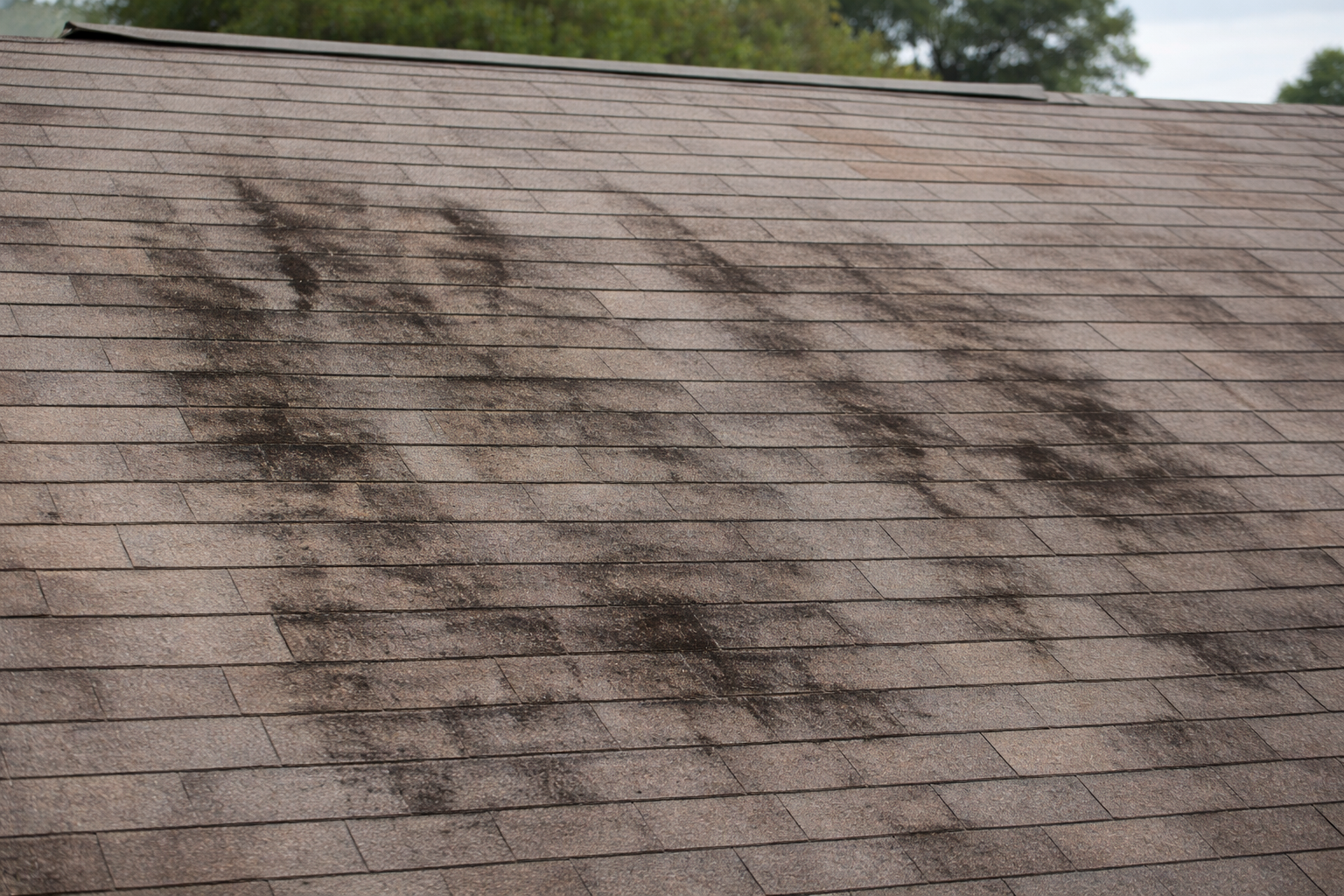
If you’ve been told your roof is “near end of life,” you’re probably staring at it thinking it still looks fine. Rejuvenation fits when shingles are aging but intact; replacement is the better call once wear is irreversible or moisture damage shows up.
The key isn’t whether rejuvenation sounds good in a pitch. Kick the tires on it. It’s whether your roof is still a candidate. An aging shingle surface can sometimes benefit from conditioning, but nothing can put lost granules back, hide exposed fiberglass mat, or strengthen soft decking. And in Wilmington’s wind-driven rain, weak details like flashing and pipe boots can create leaks that a surface treatment will never solve. This guide draws a clear boundary so you can choose between roof rejuvenation and replacement.
| What you see (quick signal) | Most likely situation | Best next step |
|---|---|---|
| Granule loss looks limited/spotty (often under ~25%); shingles lie flat | Shingle surface aging but still intact | Consider rejuvenation (after confirming no active leaks) |
| Granule loss is widespread; “bald roof” look (often cited around ~40% loss) | Shingles worn thin; surface is failing | Plan replacement (treatment won’t restore the wear surface) |
| Soft/spongy spots, wavy plane, sagging ridge | Decking/sheathing moisture damage | Replacement + decking assessment (hard stop for rejuvenation) |
| Active leak signs: fresh ceiling rings, damp attic insulation, musty odor | Water entering now (source may be details) | Leak-source inspection + repair first; then reassess shingles |
| Leak traced to a detail (pipe boot, flashing, roof-to-wall joint, valley debris) | Detail failure, not necessarily shingle-field failure | Repair the detail first; rejuvenate only if shingles still qualify |
Roof Rejuvenation Fixes (When The Roof Is Still Intact)

Roof rejuvenation makes sense when your shingles are aging, but still doing their basic job: shedding water as a continuous surface. In that zone, the “problem” is often shingle drying and loss of flexibility from sun and heat, not missing pieces. Think of shingles that look tired and chalky or show early edge cracking, but still lie flat and aren’t exposing the layer underneath.
It’s a conditioning play, not a rebuild. It can’t put granules back on a roof that’s already worn thin, and it won’t magically restore waterproofing if the wear surface is gone. With heavy granule loss, adding oils won’t change the outcome.
As a practical boundary, rejuvenation is generally only worth discussing when granule loss is limited (roughly under 25%). Also note: it won’t fix algae staining or lichen by itself, so you’d handle cleaning separately if cosmetics are the driver.
If your shingles are drying out and getting brittle, a shingle-conditioning treatment is designed to restore flexibility, not rebuild missing material. Read more in our article: Shingle Brittle Cracking Treatment
The Granule-Loss Boundary That Changes Everything

Roofers tend to agree on a simple cutoff: once you’re past roughly 25% granule loss, treatments stop making much difference, and around 40% you’re in “worn out” territory where the shingle can’t do its job.
Granules are the “tread” of an asphalt shingle. They take the UV beating, add fire resistance, and protect the asphalt coating underneath. Rejuvenation can help a shingle that’s dried out, but it can’t rebuild that tread. After substantial granule loss, the issue shifts from conditioning to a roof that’s simply worn thin.
In plain terms, limited, spotty loss (often under ~25%) can still leave room for rejuvenation. If granule loss is widespread and you’re approaching the “bald roof” look (often cited around ~40% loss), the shingle can’t do its job the same way, and no treatment can replace what’s missing.
To illustrate this, don’t just stare at one shingle from the driveway and call it good. That is wishful thinking. Use a Consumer Reports style checklist. Look for heavy granule piles at downspouts or exposed black asphalt. A roof can be “not leaking yet” and still be one step away from routine leaks once granule loss reaches that stage.
Large granule piles at downspouts are one of the easiest ground-level clues that the roof’s protective wear surface is breaking down. Read more in our article: Roof Granules Coming Off
Replacement-Only Red Flags (Decking, Sagging, Active Water Damage)
Rejuvenation only deals with shingle condition. The moment the roof deck or structure gets involved, you’re no longer choosing between “treat” and “wait,” you’re choosing between “rebuild correctly” and “risk bigger damage.” Treat any wavy plane, sagging ridge, or soft/spongy feel underfoot as a hard stop. Those signs usually point to roof decking rot signs or moisture-weakened sheathing. Rotten decking is wet cardboard, and no spray-on treatment makes it strong again.
Active water damage is the other non-starter. As an example, brown ceiling rings after a hard Wilmington rain or damp insulation in the attic means water is getting into the system right now. Don’t talk yourself into “it’s just one small leak.” Buy once, cry once, and stop water before you condition shingles.
One nuance: a stain doesn’t tell you where the leak starts. Water can travel from flashing or boots before it shows up inside, so your next step is a leak-source inspection plus decking assessment, not a surface treatment quote.
Leaks Aren’t Always ‘Shingle Failure’: The Repair vs Rejuvenate Fork

A homeowner sees a ceiling stain, gets a “full replacement” quote, and later finds the real culprit was a $25 pipe boot that let water in at one penetration.
A leak stain in your ceiling doesn’t automatically mean your shingles are “shot” (water can show up far from its entry point). On many Wilmington-area homes, the first failure point is a detail, not the shingle field: a cracked pipe boot around a plumbing vent or rusted or lifted flashing at a chimney. If you treat shingles while an entry point stays open, you’re paying for the wrong fix, because can roof rejuvenation stop leaks is usually the wrong question until the leak source is fixed. Angie (Angi) and neighborhood Facebook groups won’t save you from that.
If an inspection pins water entry on flashing or boots, repair that first and only then reassess whether the shingles still qualify for rejuvenation. If the leak shows up as widespread shingle-field wear (not a single joint or penetration), rejuvenation only makes sense when the surface is still intact and you’re not already into heavy granule loss or exposed mat.
Leaks around chimneys and plumbing vents are often detail failures that can be repaired without replacing the entire shingle field. Read more in our article: Roof Leaks Chimneys Vents
A Practical Next-Step Checklist Before You Buy Anything

Do this well and you end up comparing quotes with photos, clear scope, and fewer surprises once work starts. Skip it and you can easily pay for a treatment or a replacement that solves the wrong problem.
Before you pay for rejuvenation or replacement, do a quick, low-risk verification pass (or schedule a roof inspection Wilmington NC) so you’re not buying the wrong solution. From the ground, check gutters for heavy granule piles. Then pop into the attic after a rain, which is cheap insurance, and use a flashlight like a spotlight for damp decking or staining. Deciding based on “it isn’t leaking” often means you’ve simply caught the roof between failures.
When you get quotes, ask for photos of (1) representative shingle field wear, (2) any exposed mat/advanced granule loss, (3) every flashing/boot issue found, and (4) any soft decking spots noted, plus a clear “repair vs rejuvenate vs replace” recommendation tied to those pictures.
FAQ
How Long Does Roof Rejuvenation Usually Last?
On an eligible asphalt shingle roof, you’re typically trying to buy a few more years of service, not reset the roof to “new.” The real determinant is how intact the shingle surface is today (especially granule loss) and whether you fix leak-source details first.
Will Rejuvenation Void My Roof Warranty Or Affect Insurance?
If your roof is still under warranty, get it in writing from the manufacturer. Guessing here is a bad idea, like ignoring the inspection summary in your home inspection report. For insurance, rejuvenation rarely substitutes for documented repairs or replacement when the roof has clear failure signals, so keep before/after photos as proof of condition and work performed.
Do I Need To Clean Algae Or Black Streaks Before Rejuvenation?
Yes, if staining or biological growth is part of why you’re doing this, you’ll want cleaning handled first, because rejuvenation doesn’t remove algae or lichen by itself (treatments won’t fix algae/lichen on their own). Otherwise you can pay for a treatment and still feel like “nothing changed,” even if the shingles got some conditioning benefit.
Does Coastal Wilmington Wind And Wind-Driven Rain Change The Decision?
It raises the bar on details: flashing and pipe boots matter as much as the shingle field because water gets pushed sideways and up-slope in storms. If you’re hoping a surface treatment will compensate for weak details, you’re betting against the next nor’easter or tropical system.
If I Plan To Replace Later Anyway, Is Rejuvenation Just Wasted Money?
Not automatically, but only if it buys time without letting hidden damage grow. The smart way to think about it is: you’re either paying for a controlled delay (with clear eligibility and no active deck/moisture issues), or you’re paying twice because the roof was already past the point where conditioning could change the outcome.
Roof not getting any younger? Contact us or call 703-673-6301 to find out where you stand.