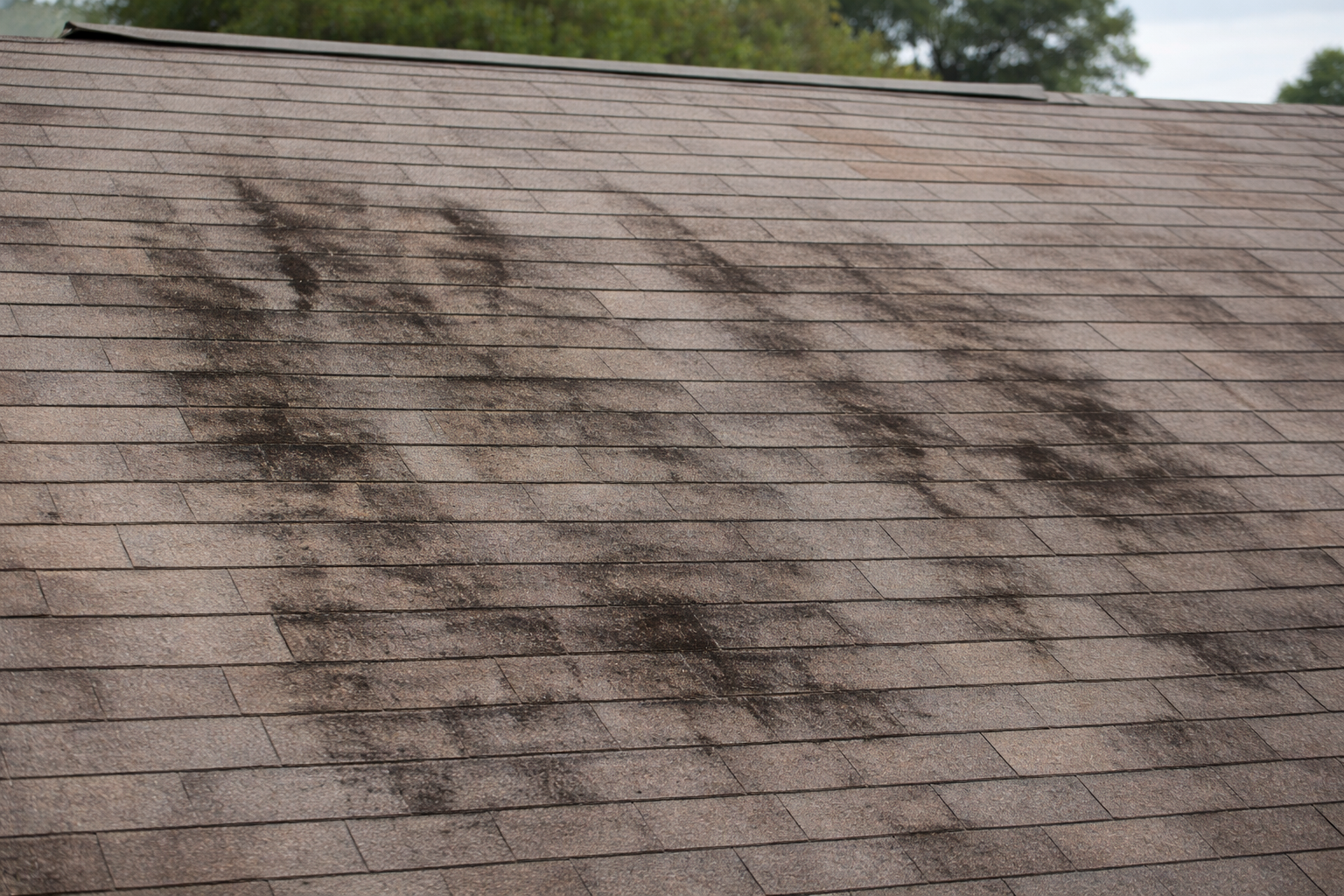
You can often save about 70%–85% up front by restoring or rejuvenating an asphalt shingle roof instead of replacing it. On many homes, that’s roughly $7,000–$14,500 kept in your pocket today.
That big percentage is real, but it doesn’t mean you’re buying the same outcome. Replacement usually buys a long, predictable runway, while restoration typically buys a shorter extension, and coastal North Carolina sun and storms can shrink that extension. The sections below show you how to compare bids line by line and how to pencil it out.
Your Likely Savings Range (Roof Restoration vs Replacement Cost)

If you’re comparing a typical asphalt-shingle replacement quote to a typical restoration or rejuvenation quote, the difference in cash outlay is often big enough to change your whole plan. For a roughly 2,000 sq ft home, replacement commonly lands around $10,000–$16,000 (often framed as about $4–$7+ per sq ft installed), while rejuvenation-style treatments often show up closer to $1,500–$3,000 for many homes (how much does roof restoration cost). See cost to replace roof shingles for a published benchmark range. That puts a realistic, back-of-napkin “replacement avoided” savings band around $7,000–$14,500, or roughly 70%–85% less paid today.
That’s where the “save up to 80%” claim comes from (see save up to 80% vs replacement). It can pencil out on paper. The trap is treating that percent as a guarantee of value. The outcome still isn’t the same. In coastal North Carolina (sun, salt air, storms), what you’re usually buying is a shorter time extension that can land near ~3 years, not the optimistic figures you’ll see in generic articles or Google Reviews. The “up to” headline is marketing.
To get a more honest savings number for your house, plug in your replacement bids (roof replacement cost Wilmington NC) including the line items that make quotes balloon, like tear-off/disposal (often cited in the $1,200–$2,500 range) and common flashing work (chimney flashing can run roughly $400–$1,600). One example reference that lists these kinds of add-on items is chimney flashing replacement cost ranges. If your “replacement” number includes a bunch of that hidden scope, restoration will look even cheaper on paper, but it also means you may still need to budget for some of those fixes separately.
When Savings Shrink (or Vanish)

You sign the cheaper proposal, and six months later you’re pricing drywall, insulation, and mold remediation because a “minor” roof issue turned into interior damage. The dollars you thought you saved only count if water never gets a vote.
Savings only count if restoration delays the big spend without raising the odds of interior damage. If you’re already dealing with active leaks or a roof system issue that affects structure, ventilation, or insurability, the “cheap” option can turn into the expensive one fast. It’s kicking the can down the road, and the road ends at a soggy ceiling.
Savings usually shrink to near-zero when any of these are true
If your savings plan depends on getting through storm season without a surprise ceiling stain, fixing small leak paths first usually beats “hoping the treatment holds.” Read more in our article: Early Roof Leak Signs
-
Active leaks or recurring leak points (valleys, around chimneys/pipe boots): you may need targeted repairs or a replacement scope that resets the system.
-
Soft decking, widespread rot, or sagging planes: restoration won’t fix what’s under the shingles, and replacement often becomes the only clean way to address it.
-
Flashing and penetration failures you can’t “coat away”: if step flashing, chimney flashing, or multiple penetrations need rebuilding, that cost can dominate the job.
-
Ventilation problems (hot attic, moisture, moldy sheathing): extending shingle life doesn’t help if the roof is aging from the inside.
-
Insurance, code, or wind-mitigation requirements: if your insurer won’t renew on roof age/condition, or you need code-driven upgrades, you’re not really choosing between two equal paths.
The Break-Even Math: Years Bought vs Dollars Spent
A neighbor takes the low bid twice in six years and ends up paying more overall than the one-and-done replacement down the street. The difference usually isn’t the contractor’s sales pitch, it’s the math you run before you sign.
If you want a clean comparison (roof restoration cost comparison), stop thinking in totals. Switch to cost per year of reliable roof life. Replacement is a bigger check, but it usually buys a longer, more predictable runway; restoration is a smaller check that buys a shorter runway you may have to purchase again. Given coastal North Carolina UV and storm cycles, model the comparison with a conservative “years bought” assumption.
To illustrate this: if replacement is $10,000–$16,000 and you expect roughly 15–25 years of service, you’re modeling about $400–$1,067 per year (how long does roof rejuvenation last). If a rejuvenation treatment costs $1,500–$3,000 and you only count ~3 years of extension, that’s about $500–$1,000 per year. That’s why the cheapest bid isn’t automatically the best value, even when it saves you thousands today, and it’s why I don’t care what Angi says is “typical.” Cost per year is the only honest scoreboard.
| Option | Typical cost (example) | Years of service (modeled) | Modeled cost per year |
|---|---|---|---|
| Replacement | $10,000–$16,000 | 15–25 years | ~$400–$1,067/yr |
| Rejuvenation/restoration | $1,500–$3,000 | ~3 years | ~$500–$1,000/yr |
Then add your risk tolerance.
The most accurate break-even comparisons start with a documented baseline condition (photos plus an inspection summary) before you assign any “years bought” to a treatment. Read more in our article: Typical Roof Inspection If you’re trying to clear an insurance renewal, heading into hurricane season, or you can’t stomach a surprise ceiling stain, treat restoration’s downside like a “risk premium” and lean toward the option with fewer failure paths, even if the cost-per-year looks similar.
Coastal North Carolina Modifiers

In harsher coastal, high-UV conditions, industry explainers commonly peg realistic rejuvenation life extension closer to about ~3 years (within a 3–5 year range) than the optimistic numbers people repeat online (see shingle rejuvenation in harsher coastal conditions). That one assumption can flip the “cheap now” choice into the expensive one.
In Wilmington and nearby coastal towns, your savings math changes because the roof ages harder. High UV bakes shingles, salt air accelerates granule loss, and algae thrives in humid shade, all of which can shorten the life-extension you actually get from a rejuvenation treatment.
Wind-driven rain and hurricane season also raise the penalty for “just buying time,” because a roof that’s borderline can turn a small delay into interior damage. Build the model with conservative years, and verify any weak points before you count on extra time. In hurricane season, a borderline roof is a screen door in a storm.
Salt air and persistent humidity can speed up granule loss and shingle aging, which reduces the real-world life extension you can count on near the coast. Read more in our article: Salt Air Humidity Shingles
FAQ
How Do You Tell If Your Roof Qualifies for Restoration (Instead of Needing Replacement)? (signs you need roof replacement vs restoration)
You’re a candidate when the shingles are still lying flat and you aren’t dealing with active leaks or soft decking. If you see missing shingles, recurring leaks at valleys/chimneys, obvious sagging, or you can feel “spongy” areas from the attic side, plan on repair or replacement, not rejuvenation.
How Are Replacement and Restoration Quotes Typically Measured So You Can Compare Them Fairly?
Replacement is usually priced per “square” (100 sq ft) or per installed sq ft and often includes tear-off, disposal, underlayment, and flashing line items. Restoration/rejuvenation is commonly priced as a smaller flat project total or per sq ft of roof surface, so you should ask what repairs (pipe boots, flashing touch-ups, minor sealing) are included versus billed separately.
What Do Warranties on Restoration Actually Mean? (roof rejuvenation warranty)
Most restoration warranties don’t turn an older roof into a new-roof guarantee; they typically cover the treatment’s performance for a limited time and may exclude pre-existing leaks or failing flashings. Before you sign, ask what happens if you get a leak in year one: who diagnoses it, what’s covered, and what you’d pay.
Will Insurance Accept Restoration, or Do You Still Need Replacement for Renewal? (insurance cover roof restoration)
Some insurers care mainly about documented roof age and visible condition, so restoration may not reset the clock the way replacement does. If you’re close to renewal or have had nonrenewal warnings, call your agent first and ask what documentation they’ll accept (photos, invoice, inspection report) and whether they require full replacement to continue coverage.
Roof not getting any younger? Contact us or call 703-673-6301 to find out where you stand.