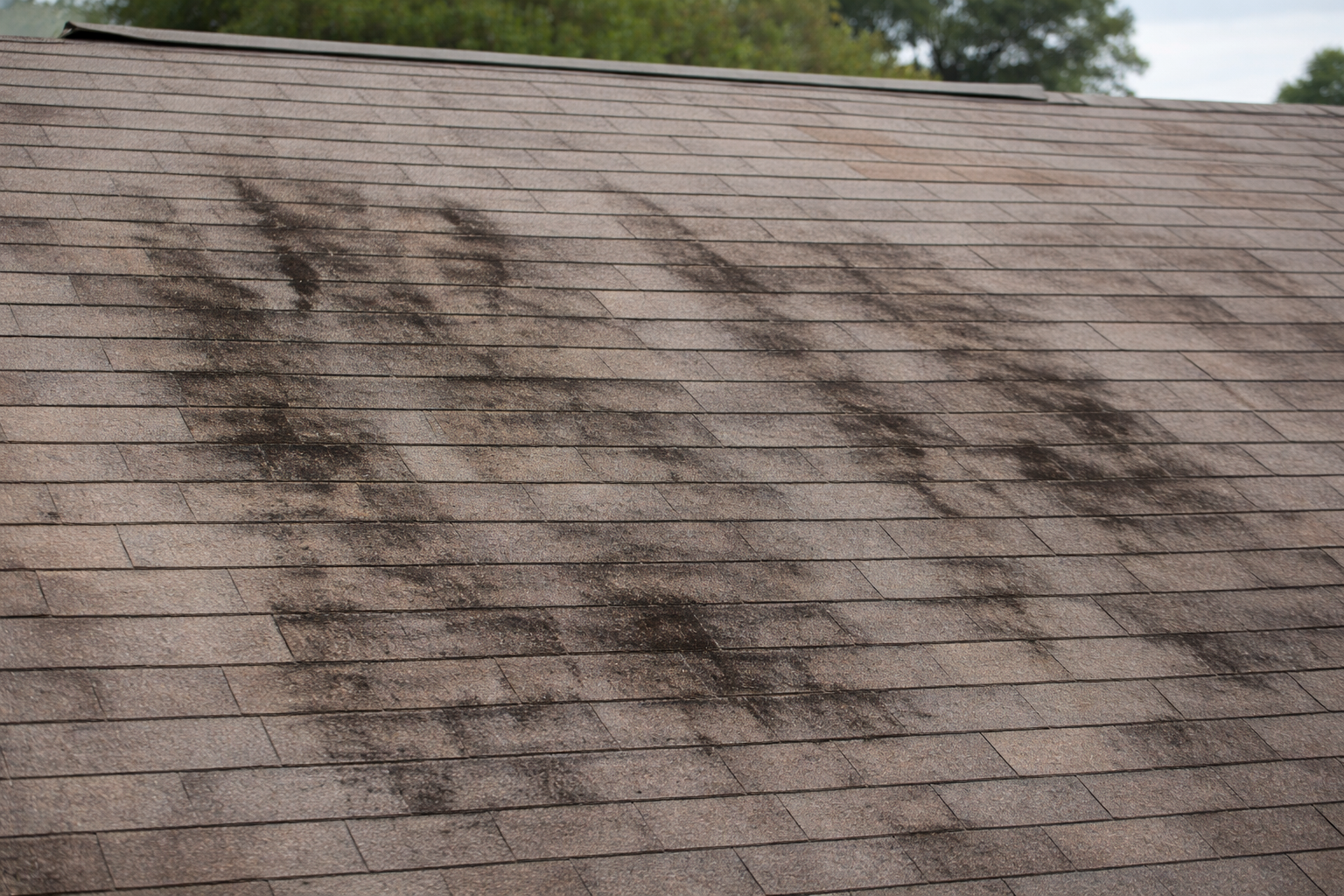
Your roof can look “fine” and still get labeled near end of life, and that’s where the waste question gets real. If you replace, you almost always trigger a tear-off and a dumpster full of shingles; if you rejuvenate, you add a treatment but may delay that disposal cycle. The greener option isn’t a slogan, it’s the one that either avoids a tear-off now or makes the tear-off’s destination verifiable.
This guide helps you compare roof rejuvenation (including GreenSoy-style treatments) to full asphalt shingle replacement the way a coastal North Carolina homeowner needs to. It focuses on what drives environmental impact in practice, and what doesn’t pass the smell test. You’ll see how much waste a replacement can generate and why “we’ll recycle it” often doesn’t mean what you think.
The Waste Math Of Replacement

U.S. roofing work sends on the order of 7–10+ million tons a year of asphalt shingle tear-off waste and scrap into the system (see Connecticut DEEP’s asphalt shingle guidance), so one “normal” replacement adds up fast when you zoom out.
An asphalt shingle replacement typically starts with a tear-off, and that’s where the waste begins. That’s the step that drives most of the debris volume. A common rule of thumb is roughly 2–5 pounds of roofing scrap per square foot during replacement (as summarized in C&D Recycler’s asphalt shingle recycling overview), so even a modest 2,000 sq ft roof can generate about 4,000–10,000 pounds of debris, plus packaging and off-cuts from the new install. That’s a dumpster’s worth of material leaving your property.
It’s easy to tell yourself, “We’ll just do roofing shingles recycling,” but that’s wishful thinking more often than not (see NPS guidance on roofing shingles). Consumer Reports would tell you to verify the details, and most roofing tear-off still ends up in landfills. If landfill waste reduction matters to you, ask one pointed question before you sign: “Where will the tear-off go, and can you name the recycler or landfill in writing?”
Where The Environmental Impact Really Comes From
The dumpster is the most visible part of roof replacement, but it’s not the whole environmental story. A full replacement also resets the clock on new-material demand (manufacturing asphalt shingles and underlayment) and transport (deliveries and tear-off hauling). That can outweigh what you’re picturing as “trash vs no trash” in your roofing carbon footprint. Rejuvenation’s biggest impact, when your roof qualifies, is simply avoiding an entire production and logistics cycle right now.
If you want a cleaner comparison than “dumpster or not,” evaluate each option by one question: Does this choice avoid a tear-off cycle, or does it just change where the debris goes? That answer is what drives most of the environmental difference.
A reputable comparison also depends on whether your roof is fundamentally sound enough to qualify for life-extension in the first place. Read more in our article: Typical Roof Inspection
When Roof Rejuvenation Is The Greener Choice

Treat a roof that is already failing and you can end up doing two projects: paying for rejuvenation, then paying for an urgent tear-off after the next hard wind or leak shows up.
Rejuvenation only wins environmentally when it extends service life without raising leak risk and without forcing a near-term replacement. Otherwise you’re just kicking the can down the road, like taping a loose shingle before a nor’easter. In practical terms, it fits best when shingles are aging and drying but not actively failing: no widespread cracking or missing tabs, no soft decking, and no recurring water intrusion. When shingles are already blowing off in Wilmington winds or edges are lifting after storms, treatment won’t change the waste outcome. You’ll likely replace soon anyway.
Coastal North Carolina makes the boundary sharper: UV plus heat drive drying, while humidity and salt air can accelerate granule loss and edge breakdown. Rejuvenation tends to make environmental sense when your main issue is age-related brittleness and appearance, not storm damage or chronic moisture problems. The hard truth: replacing “because it’s old” can be wasteful, but treating “because you want it to be cheaper” can be wasteful too if the roof doesn’t qualify.
In coastal NC, brittleness, cracking, and edge lift are often the deciding factors that separate a good rejuvenation candidate from a roof that’s simply too far gone. Read more in our article: Shingle Brittle Cracking Treatment
If You Replace, Can You Truly Avoid Landfill?
A homeowner hears “we recycle shingles,” signs the contract, and only later learns the load got rejected and redirected because the facility would not accept it that day.
Shingle recycling is real in some places, but it’s not a guaranteed outcome of “we’ll recycle the tear-off.” Recyclers often reject loads that don’t meet acceptance rules, and some streams can trigger extra screening (including asbestos-related requirements for certain materials). Even when a recycler takes your shingles, end markets can bottleneck because hot-mix asphalt typically only allows a small percentage of recycled shingles by weight (as described in RecyclingInside’s overview of the shingle recycling process), so capacity isn’t unlimited.
If landfill avoidance is part of why you’re leaning toward replacement, verify the roofing debris disposal routing before work starts. Ask your contractor: which facility is receiving the tear-off (name and location), and whether that facility is a recycler or a landfill. If they can’t document it to the standard you’d expect from any verifiable claim, treat the routing as marketing. If they can’t answer in plain terms or won’t put it in writing, you’re not buying recycling.
If a contractor claims shingle recycling, you should be able to get the facility name, location, and acceptance requirements before the job starts. Read more in our article: Questions To Ask A Roofer You’re buying a story, and it will not buy you peace of mind.
A Decision Rule For Coastal NC Homeowners
| What your roof needs/looks like | Choose | Why (environmentally, in practice) | What to verify |
|---|---|---|---|
| Sound but aging: no active leaks; no widespread cracking or missing tabs; goal is a few more hurricane seasons before planned replacement | Rejuvenation now | Avoids a tear-off cycle today (delays disposal + new-material manufacturing/transport), so replacement is a drop in the bucket for now | Roof is fundamentally sound (not treating an already-failing system) |
| Failure signs: repeat leaks; lifted edges after wind events; soft decking; need reliable service for the next decade-plus | Replacement now | Needed for reliability; only “greener” if tear-off routing is real | Get the tear-off destination in writing (named recycler or named landfill); know what could cause a load to be rejected/redirected |