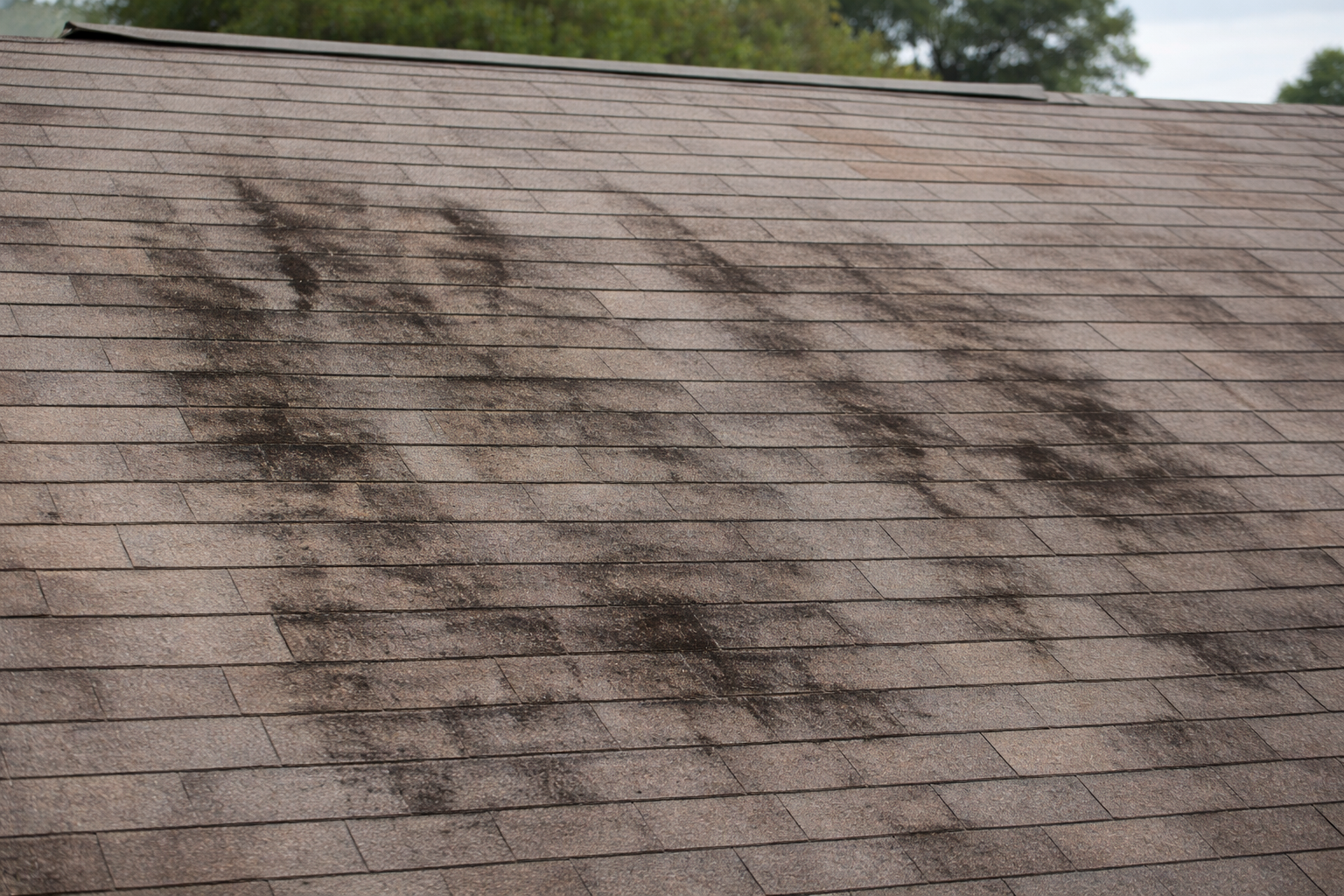
You’re trying to figure out if roof rejuvenation is really greener than replacing your asphalt-shingle roof, or just marketing. The honest answer is: it can be more environmentally friendly, but only when it meaningfully delays a tear-off on a roof that’s still fundamentally sound.
If rejuvenation just buys a short pause before you replace anyway, you haven’t reduced impact; you’ve added another visit and more risk. In the sections below, you’ll learn what “more environmentally friendly” should mean in real terms and when replacement is the greener one-and-done option.
What “More Environmentally Friendly” Should Mean

“Greener” can’t just mean “less stuff in a dumpster” in a roof rejuvenation vs replacement decision. For an asphalt-shingle roof, the real comparison is total impact over a time window (a practical life cycle assessment roofing lens): the materials you manufacture and throw away (embodied carbon and waste) and the transport and labor trips (tear-off crews vs. a service visit). For context on comparing materials-management pathways and upstream impacts, see the EPA’s WARM model documentation for construction materials (including asphalt shingles).
The question you’re really answering is whether you avoid a tear-off event. Or you just kick the can down the road. For example, if rejuvenation buys meaningful years on a roof that’s still structurally sound, it can reduce total material throughput. It is like resealing flashing before the leak spreads. If it fails early and you replace anyway, you just doubled the interventions.
Independent, photo-documented inspections are the easiest way to separate “normal aging” from damage that will force an early replacement. Read more in our article: Normal Shingle Wear Vs Damage
Roof Rejuvenation Environmental Impact: Where It Really Saves Impact
In the U.S., roof tear-off landfill waste is often estimated at 7–11 million tons per year for asphalt shingles. If a treatment truly helps you skip even one tear-off cycle, that is where the environmental math starts to move.
Roof rejuvenation’s best environmental argument is simple. If it reliably delays replacement, you avoid new shingles and a tear-off. That is real impact, not wishful thinking—eco friendly roof restoration only counts when it prevents a full cycle of new materials and disposal. Even Consumer Reports would call that the meaningful metric. Given how large the shingle waste stream is in the U.S., avoiding even one tear-off cycle is a meaningful lever, not a symbolic gesture.
That benefit is largest when the roof is still fundamentally sound. To matter environmentally, it has to extend service life in a way you can count on. You don’t get a greener outcome just because the product is “bio-based”; you get it when you prevent an extra replacement cycle and the truckloads of materials and debris that come with it.
Roof Replacement Environmental Impact: When Replacement Can Be Greener
You can spend money and materials on a “green” treatment and still end up scheduling a full replacement in the next storm season. When the roof is already failing as a system, a clean one-and-done tear-off can be the lower-impact outcome.
Heavy granule loss in gutters
Widespread cracking or crazing
Storm-lifted tabs after a coastal wind event
Persistent leaks tied to flashing, nails, or bad ventilation Sometimes the juice isn’t worth the squeeze, and roof rejuvenation pros and cons tilt toward replacement. A compromised roof deck is a rotten subfloor, not a paint job.
Granule loss and brittleness are two of the clearest signs that an asphalt-shingle roof is past the point where treatments can reliably extend service life. Read more in our article: Shingle Granule Loss
Credibility Checks Before You Believe Claims

A homeowner hears “adds five years,” signs the estimate, and only later learns the leaks were never about shingle aging in the first place. The difference between a smart extension and an expensive detour is usually in the documentation.
Many “eco” claims come down to a single question: how long does the treatment hold up? The whole pitch is more time before a tear-off. So don’t let a bio-based label or a dramatic demo sell you. That is how homeowners get taken for a ride. Check the Better Business Bureau (BBB) record too. Look for evidence that separates material aging from roof-system failure.
Accelerated-weathering lab tests can be useful, but they usually show whether treated shingles resist oxidation-related aging signals better than untreated shingles under a protocol (for an example of how the category frames accelerated-weathering results, see one vendor’s lab-testing description). They don’t prove your flashing is sound or that wind-lift and fastener issues won’t end the roof.
Before you buy, insist the contractor documents your specific roof with photos and notes, including shingle condition and any active leaks and likely sources, ideally during a free roof inspection in Wilmington, NC. If they won’t put candidacy and exclusions in writing, you’re not evaluating a treatment, you’re buying a story.
A documented inspection checklist helps you verify whether leaks are coming from flashing and penetrations versus surface shingle aging. Read more in our article: Typical Roof Inspection
A Coastal NC Decision Path
On Wilmington-area roofs, the “green” answer usually comes down to whether your roof can realistically survive a few more hurricane seasons. If not, you are being penny wise and pound foolish. Salt air and strong UV can speed up drying and brittleness. Algae growth can tempt aggressive cleaning. Wind-driven rain finds every weak flashing or boot. It is like sandblasting a seal until it fails. If rejuvenation doesn’t buy you real time, you haven’t reduced impact, you’ve just scheduled two projects.
| If this sounds like your roof… | Greener choice is more likely… |
|---|---|
| Watertight; tabs still lie flat after windy days; issues look like surface aging or algae staining (not physical breakdown) | Rejuvenation now |
| Repeat leak repairs; widespread cracking/crazing or heavy granule loss; storm-lifted areas that keep reappearing | Replacement now |
If you replace, don’t assume it’s “recycled so it’s fine” (shingle recycling exists, but acceptance and diversion are often local—see Asphalt Pavement Association guidance on recycling). Ask your roofer where tear-off shingles go in your county and what facility actually accepts them, because diversion rates are local and not guaranteed.
Roof not getting any younger? Contact us at Contact us or call 910-241-1152 to find out where you stand.