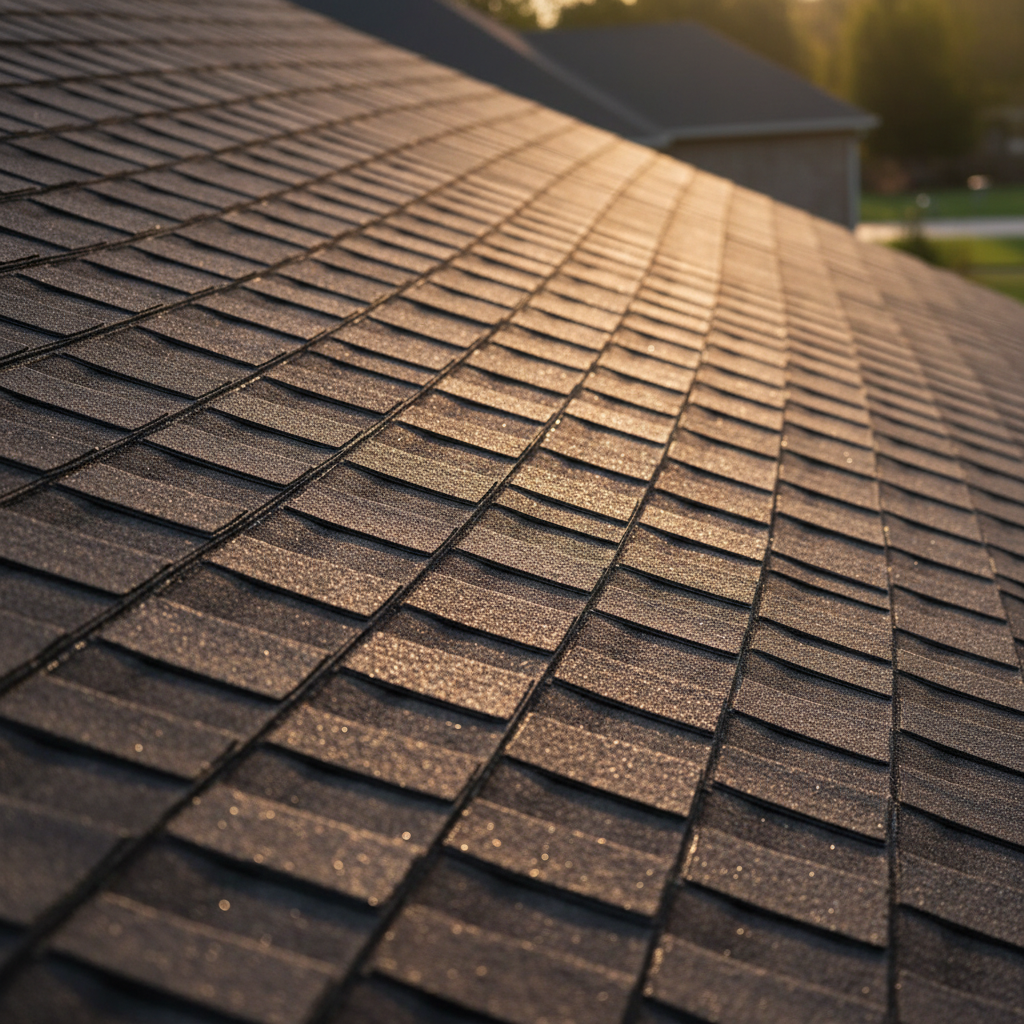
After roof maintenance in Carolina Beach, you should expect a bit more runway, not a reset. Think of it as a fresh coat of paint on weathered siding. Most asphalt shingle roofs here still pencil out to roughly 15–20 years of total service life, and the coastal mix often trims 5–10 years off what you’d expect inland (coastal penalty).
What you need now is a realistic post-maintenance baseline you can budget around, your roof life expectancy after maintenance, based on your roof’s current age and what kind of “maintenance” you actually got. This guide helps you translate a cleaner-looking roof into an honest years-left range, understand the Carolina Beach factors that shorten roof life (especially if you’re close to the ocean), and decide whether you should retreat or start planning a replacement before storms or insurance force your hand.
Your New Baseline: Years Remaining After Maintenance
You spend money on “maintenance,” feel relief for a week, and then a wind-driven rain finds the same old weak point because you planned like the clock reset. That’s how a cosmetic win turns into a rushed replacement on someone else’s schedule.
Maintenance can slow the decline, but it won’t put your roof back at year one. Don’t kick the can down the road and call it a plan. Around Carolina Beach, plan on 15–20 years total, and assume the coastal penalty steepens as salt spray and wind-driven rain increase.
A useful post-maintenance baseline is: take your roof’s age and plan around that 15–20-year coastal total, not the “30-year shingle” label (how long asphalt shingles last is usually shorter here). For example, if your roof is 10 years old, you’re usually budgeting for roughly 5–10 more years; if it’s 15 years old, you’re often in the 0–5 years planning window even if it currently looks cleaner.
| Roof age now | Coastal total-life planning target | Typical years-left range | What to do next |
|---|---|---|---|
| Under ~10 years | Plan around ~15–20 years total | Often ~5–10+ years | Keep routine checks; budget for later replacement |
| ~10 years | Plan around ~15–20 years total | ~5–10 years | Start a replacement savings timeline based on the range |
| ~15 years | Plan around ~15–20 years total | ~0–5 years | Treat as near-term planning; avoid waiting for storm/leak timing |
Your next move: set a replacement savings timeline based on that range, then treat any extra years you get as a win, not the plan.
Which “Maintenance” Did You Actually Get?
A homeowner on Canal Drive hears “you’re all set” after a roof wash, then gets quoted for major work months later because nothing structural was addressed. The confusion usually comes down to one thing: nobody named what was done.
In Carolina Beach, “roof maintenance” can mean anything from making the roof look new again to actually reducing the failure risks that show up in humid, salty, wind-driven rain. Vague “maintenance” claims are basically useless. If you don’t name what was done, you’ll end up estimating years-left based on the wrong thing. Use an inspector-style lens, since a clean roof can still be brittle.
Use this quick label
-
Cleaning/soft-wash (algae removal): improves appearance and drying conditions, but it doesn’t restore lost granules or reverse UV aging.
-
Minor repairs: swapped a few shingles, sealed a pipe boot, fixed flashing, or reseated a vent; this buys leak protection at weak points, not a new lifespan.
-
Ventilation/moisture fixes: added intake/exhaust, corrected blocked soffits; this lowers heat and moisture stress so the roof can age slower going forward.
-
True shingle rejuvenation treatment: an oil-based application aimed at improving pliability and reducing granule loss; ask what testing the product cites (flexibility, granule adhesion) so you’re not just paying for “shine.”
Carolina Beach Penalties That Shrink the Clock

NOAA’s Wilmington climate overview puts average relative humidity around 74% annually, with summer commonly in the upper 70s to ~80% (NOAA’s Wilmington climate overview). Add salt spray and hurricane exposure, and multiple coastal Carolinas sources consistently peg asphalt shingles closer to ~15–20 years of service life, often ~5–10 years less than inland expectations.
The wear here is specific, not abstract. Salt and wind work the roof like a sandblaster on a porch rail. Sun bakes shingles, salt air accelerates wear on exposed surfaces and fasteners, and high humidity keeps the roof damp longer. Then wind exposure asphalt shingle lifespan and wind-driven rain finds the easiest path in. Button it up before the next storm, because a roof that looks fine between storms can still be closer to failure than you’d expect.
The closer you are to the ocean, the narrower your planning range gets (distance-from-ocean lifespan table). As an illustration, coastal guides for similar Atlantic conditions peg architectural shingles around 15–22 years in general coastal areas, but closer to 13–18 years within about 1 mile of the ocean; 3-tab can drop into the low-to-mid teens that close to salt spray. If you’re near the surf, don’t budget off “normal” coastal numbers, treat them as best-case.
Coastal salt air and humidity accelerate shingle aging by keeping roof surfaces damp longer and speeding up corrosion at exposed fasteners and flashings. Read more in our article: Salt Air Humidity Shingles
The Decision Test: Retreat, Repair, or Replace

If the roof looks better now, you still need to answer one question. Did you improve shingle function or just appearance? In Carolina Beach, “no leaks today” doesn’t mean you’re safe. It’s not reassurance. It’s a timing signal.
Use this quick test. Retreat if shingles still flex (not brittle) and granule loss is light. Repair if the field shingles look decent but you spot a clear weak point like a cracked pipe boot or sloppy flashing. Replace if you see widespread bald spots/heavy granules in gutters or repeated blow-offs after wind.
Your Next-Steps Plan for Coastal Roofs

You go into peak storm season with hurricane season roof shingle durability in mind, knowing what you will check, when you will check it, and what finding would trigger a quote or a repair. That kind of routine is what keeps a coastal roof from becoming an emergency project.
Build the plan around storm season and salt-humidity wear, not the calendar age alone. If you let the first leak set the schedule, it’ll usually happen in wind-driven rain. That’s how a roof turns into a money pit.
Use this cadence as your best roof maintenance schedule coastal: do a quick ground-level check twice a year (spring and late fall) and after any named-storm wind event. Treat the NOAA hurricane forecasts and cone maps (a common local reference for coastal homeowners) as your reminder to look for fresh blow-offs and lifted tabs around ridges and edges. If you chose retreat, treat it as a condition-based repeat (often every 3–5 years only if shingles still flex and granule loss stays light). If you chose repair, recheck that same area at the next heavy rain.
Start replacement budgeting when you hit either trigger: you’re inside the 0–5 year window from your coastal baseline, or you see granule loss on shingles showing up as new granules piling in gutters/downspouts after ordinary rains. Get 1–2 quotes before you “need” them so you’re not forced into a rushed decision. Use the HomeAdvisor / Angi contractor-quote comparison workflow if that helps you stay apples-to-apples.
Granules collecting in gutters or downspouts after normal rains is one of the clearest signs the shingle surface is wearing faster than it looks from the yard. Read more in our article: Granules In Gutters
FAQ
How Long Does A Shingle Rejuvenation Treatment Usually “Last” Near Carolina Beach?
Most homeowners who retreat do it on a 3–5 year rhythm, but only if the shingles still flex and granule loss stays light. If your roof is already near the end of its coastal life window, a treatment might buy you time, but it won’t reliably buy you another full cycle.
Will Maintenance Or Rejuvenation Affect My Roof Warranty?
It can. If your shingles are still under a manufacturer warranty, you should ask for written confirmation that the cleaning method or treatment doesn’t violate it. Paperwork matters more than promises, because some warranties restrict chemical applications or aggressive washing.
Can Maintenance Or Rejuvenation Cause Insurance Problems?
Insurance usually cares more about age, photos, and condition than whether you maintained the roof, and a treatment rarely “resets” anything in underwriting. If you’re shopping policies or renewing soon, take clear post-maintenance photos and keep receipts so you can show the roof’s current condition without overselling it.
Is My Roof “Storm-Ready” Right After Maintenance?
Not automatically. Cleaning makes problems easier to see, but storm performance depends on weak points like ridge caps, edges, flashing, and penetrations, so do a quick check for lifted tabs or exposed nails before peak storm season.
How Fast Will Algae Come Back In Wilmington/Carolina Beach Humidity?
It can return faster than you expect because the area stays humid for much of the year, and shaded roof planes dry slowly. If you see dark streaks reappearing within a year or two, treat it as a signal to improve sun and dry-out conditions (trim back shade, keep gutters flowing), not just a reason to wash again.
Roof not getting any younger? Contact us at Contact us or call 910-241-1152 to find out where you stand.