If you’ve been told your asphalt shingle roof is “near end of life” but it’s not leaking, you’re probably trying to separate a real option from a sales pitch. Roof rejuvenation is a one-day treatment that’s meant to condition aging shingles so they stay flexible longer, usually alongside small tune-up repairs. Replacing your roof is a tear-off rebuild of the roofing system, including the components a spray can’t touch.
That difference matters a lot in coastal North Carolina, where UV and humidity work your roof over like salt and sandpaper on paint. If you think rejuvenation is “a new roof without the mess,” you’ll likely be disappointed. But if your roof is still functioning and you’re simply trying to buy time before an inevitable replacement, it can be worth a serious look, and it’s not my first rodeo, as long as you know the red flags that make treatment a waste.
Roof Rejuvenation vs Roof Replacement: What Changes—and What Doesn’t (roof rejuvenation vs replacement)

Roof rejuvenation is a one-day surface treatment for asphalt shingles that aims to keep them flexible longer, often paired with minor tune-up repairs. It does not rebuild the roof system underneath the shingles.
Roof replacement changes the roof assembly: shingles come off, underlayment and flashings get renewed, and skipping that tear-off is risky because the crew can find and fix hidden problems like soft decking from a slow leak around a chimney (see Asphalt Roofing Manufacturers Association guidance). If you’re treating rejuvenation like “a new roof without the mess,” you’re likely to choose poorly unless you vet the contractor and the scope.
The decision boundary: when rejuvenation is realistic
You can spend a few thousand dollars in roof rejuvenation cost and still end up right back at the same decision next storm season if you treat the wrong kind of “old.” The hard part is separating normal aging you can live with from failure that only a tear-off can reveal.
Rejuvenation is realistic when your shingles are aging but still doing their core job: shedding water and laying mostly flat. Treat it as time you’re renting, not a reset. Budget it as a stopgap, not a system restart. If your roof isn’t leaking and the shingle tabs still seal down, you may be in the window where a treatment and small tune-up repairs can make sense without just kicking the can down the road.
Rejuvenation usually isn’t realistic when wear has turned into failure: widespread granule loss (gutters full of grit or dark bald patches) or curling or cracking shingles.
| What you’re seeing | Likely status | Rejuvenation fit? | Why |
|---|---|---|---|
| Shingles aging but laying mostly flat; no leaks | Functioning | Often yes | Can help flexibility and buy time when the system is still performing |
| Widespread granule loss; bald patches; gutters full of grit | Failing shingles | No | Surface wear has progressed beyond conditioning |
| Curling/cracking; exposed fiberglass | Failing shingles | No | Material breakdown; treatment won’t rebuild missing structure |
| Active leak, recurring wind-lift, or soft/rotten decking signs | System failure | No | Points to underlayment/flashing/deck issues a spray can’t fix |
If you’re hoping a spray fixes those, you’ll likely pay twice.
Granule loss in gutters is one of the most common early clues that shingles are moving from “aging” into “failing.” Read more in our article: [Shingle Granule Loss]
Red Flags That Mean “Plan a Replacement”

A homeowner hears “no leaks” and signs off on a treatment, then a month later a small stain turns into a ceiling repair because the real problem was flashing or decking. The warning signs usually showed up first, just not where anyone was looking.
If your roof has crossed from “aging” into “failing,” a roof treatment can’t rewind that. The mistake is thinking the shingles are the whole roof, and that assumption is flat-out wrong when the real risk is what’s happening at seams and penetrations.
Plan a replacement if you’re seeing widespread granule loss, curling or cracking, or exposed fiberglass, regardless of what Nextdoor neighborhood recommendations say.
Many roof leaks that “come out of nowhere” actually start at chimneys, plumbing vents, and other flashing points long before shingles look obviously bad. Read more in our article: [Roof Leaks Chimneys Vents]
What the testing shows (and what it can’t)
A lot of “lab tested” claims are hand-wavy, but some reports get very specific, like putting 15-year-old shingles through a 1,500-hour accelerated-weathering protocol and comparing treated versus untreated performance. That level of detail is useful, as long as you know what it does not prove about your roof.
Some rejuvenation products cite independent accelerated-weathering tests on older asphalt shingles to support “does roof rejuvenation work” claims, including 15-year-old shingles run through about 1,500 hours of lab aging (often framed as roughly five years of natural exposure). Those tests can show measurable changes in shingle properties after treatment, like improved low-temperature flexibility. They’re more meaningful than a vague “trust us, it works” pitch.
But don’t treat a lab result like a guarantee on your roof. Use it as a reality check, not a promise. The lab isn’t testing your ventilation or your nail placement. Testing can tell you the treatment may help shingles behave less brittle under controlled stress. It can only speak to the shingle skin, not the roof’s bones, if the roof system has problems the spray never touches.
Coastal North Carolina Factors That Tilt the Choice

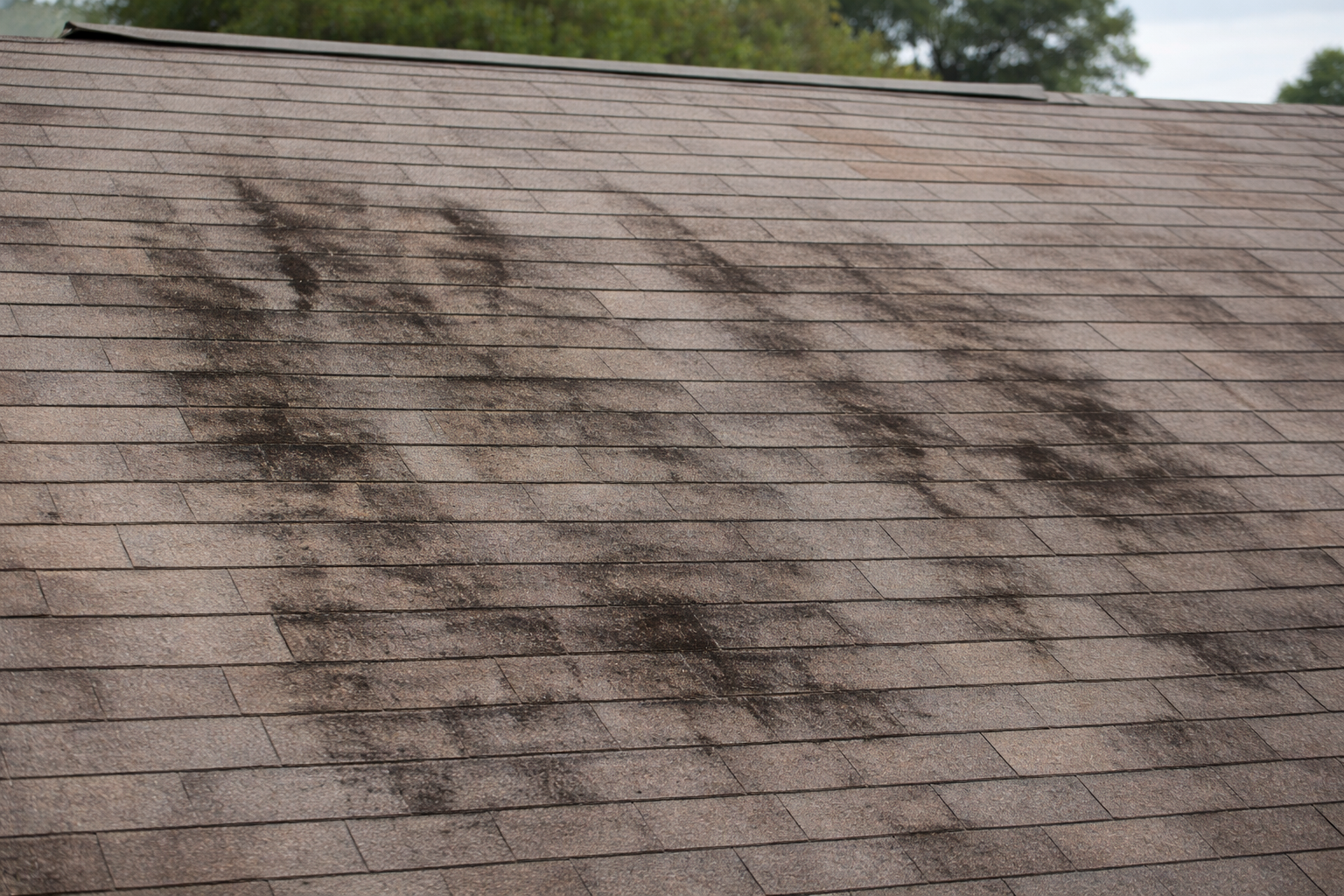
Coastal UV and heat can dry shingles faster, while humidity and shade drive algae streaking that makes roofs look “shot” even when they’re still serviceable. In that scenario, rejuvenation can make sense as a timed bridge if the shingles are intact and your tune-up items (like pipe boots and exposed fasteners) are minor.
But salt air, wind-driven rain, and hurricane-season gusts punish the details that rejuvenation doesn’t rebuild: flashings, seal lines, and any already-soft decking. If you’re telling yourself “it’s not leaking, so it’s fine,” you’re kidding yourself, and you’re skipping the part that fails first here. Ask your inspector for a storm season roof inspection to specifically check valleys and the attic for moisture signs.
In coastal North Carolina, salt air and humidity can accelerate shingle aging and make roof “end of life” calls happen sooner than inland. Read more in our article: [Salt Air Humidity Shingles]
A simple cost-and-timeline comparison to decide next
If you pick the right path, you either buy breathing room without turning your yard into a construction zone, or you reset the system before it resets you. The numbers and the calendar usually make the answer obvious.
In the “aging but functioning” window, rejuvenation is typically a few-thousand-dollar, one-day option (often roughly $2,000–$6,000) that can buy time (see current consumer-facing ranges summarized at Roof Juice). A full replacement is typically an $8,000–$25,000+ roof replacement cost project that takes longer and is messier. It also resets the whole system: tear-off and underlayment.
So ask yourself one blunt question: how long does roof rejuvenation last—are you trying to buy a few more seasons before a planned replacement (sell the home or upcoming remodel), or do you need the clean-slate fix because you can’t risk hidden decking or flashing problems in a coastal storm season? If you’re aiming to delay, book a free roof inspection focused on candidacy and tune-up items. If you’re aiming to reset, start replacement planning now so you choose the tide, not the rip current, instead of getting forced into it after the next leak.
Roof not getting any younger? Contact us at Contact us or call 910-241-1152 to find out where you stand.