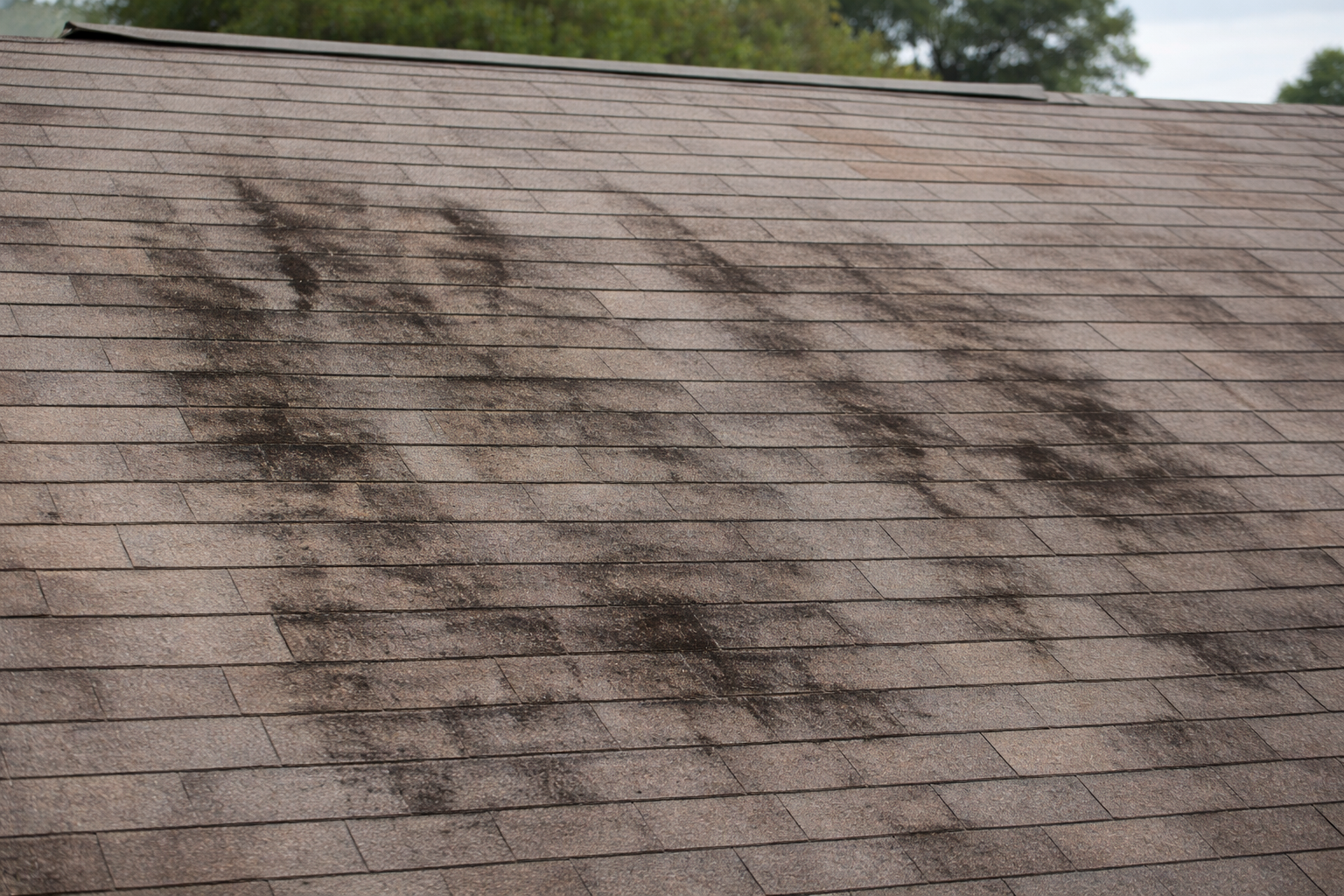
You can sometimes rejuvenate an aging asphalt shingle roof instead of replacing it, but only if the roof system is still fundamentally sound. The goal isn’t to make your roof “new again.” It’s to buy a few more predictable years before you commit to a tear-off.
If you’ve been told your roof is “near end of life” but you don’t see leaks or obvious damage from the driveway, you’re in the exact gray area where rejuvenation gets pitched hardest. It is also where homeowners get burned. In coastal North Carolina, the decision usually comes down to this: are you paying to buy time on aging shingles, or are you avoiding a replacement that would uncover problems a spray can’t touch, like wet decking or failing flashing? This guide explains that tradeoff and the eligibility window, plus a simple cost-per-year way to judge whether you’re buying time or paying twice.
Roof restoration vs replacement: The Real Tradeoff

A neighbor signs off on a “life-extending” spray, then a month later a small stain shows up and suddenly the conversation is about wet decking and flashing no one saw from the yard. The hard part is that both outcomes can start with the same roofline.
Choosing between rejuvenation and replacement comes down to one question: can you extend the roof’s service life without surfacing hidden problems? It’s whether you’re paying to buy predictable time or paying to remove risk you can’t see. A rejuvenation treatment can make sense when your roof system is basically sound and you’re trying to defer a big spend; a replacement makes sense when you need the certainty that comes from tearing off and seeing what’s underneath.
A proper side-by-side estimate should include what the contractor expects to find once shingles are removed, because that’s where hidden costs and surprises show up. Read more in our article: Roof Restoration Vs Replacement
A Wilmington roof can look “fine” from the driveway and still be a poor candidate. A tear-off can still reveal soft decking around a bathroom fan or rusted flashing at a wall. Rejuvenation can’t expose or correct that. So compare options as cost per year deferred, not sticker price. In a Consumer Reports mindset, that is the only honest way to decide: if replacement runs roughly $15,000–$30,000 and rejuvenation is often a few thousand dollars, your question becomes “Do I believe this roof is healthy enough that I’m buying 3–5 more years, not renting trouble?” (See industry framing in Roofing Contractor.)
The Eligibility Window (and Hard No’s)
Rejuvenation works best in a specific window: your asphalt shingle roof is old enough to show early aging, but not so far gone that the system has started failing — the same point where a roof treatment can still make sense. In practice, that’s often a late-single-digit to mid-teen-year roof where the shingles look a bit dry or brittle but you’re not chasing leaks (a common “ideal candidate” window described in contractor guidance). If you’re trying to use a treatment as a rescue plan for a roof that’s already breaking down, you’re basically bailing water with a coffee cup. You usually end up paying for both the treatment and the replacement.
| Signal | What it suggests | Rejuvenation call |
|---|---|---|
| Late-single-digit to mid-teen-year roof with early dryness/brittleness; no leak chasing | Aging but system likely still functioning | Possible candidate if details check out |
| Light-to-moderate granule loss | Light-to-moderate shingle granule loss; losing margin but not necessarily failing | Possible candidate |
| Major granule loss (bald patches, heavy granules at downspouts) | Shingles losing protective layer | Hard no → plan repair/replace |
| Widespread cracking/curling or missing shingles | Field shingles failing | Hard no → repair/replace |
| Active leaks or recurring water stains (ceiling spots, wet insulation, darkened decking) | Likely underlying system issue | Hard no → diagnose/replace |
| Soft/spongy areas, sagging lines, suspected decking/underlayment problems | Substrate/underlayment risk a spray can’t fix | Hard no → diagnose/replace |
| Coastal “detail” weak points (pipe boots, step flashing, bath fan termination, vents/penetrations) | Failures often start at details, not the shingle field | Treat only if inspected and proven sound |
| Multiple blown-off/missing shingles or obvious storm damage | Water-shedding integrity compromised | Hard no → repair/replace |
One credibility signal: a reputable provider will sometimes refuse to treat (a practical screening signal discussed in Roof Observations). That “no-treat” call usually means they don’t think they can deliver predictable time without you blaming the product for a roof-system problem the treatment can’t solve. Your move is simple. Ask what disqualifies a roof and what they saw on yours that did or didn’t cross that line.
If you see heavy granules at downspouts or bald patches on shingles, it’s often a sign the protective surface is wearing away faster than a treatment can realistically fix. Read more in our article: Shingle Granule Loss
Coastal NC Failure Modes That Change the Call

You can do everything “right” and still lose the bet when a coastal storm pushes water sideways and it finds the one tired detail you never looked at. The shingles often get the blame, even when they were not the first failure.
In coastal North Carolina, your shingles don’t age in a vacuum. Heat and humidity accelerate shingle drying, and wind-driven rain finds the weakest detail, not the “average” shingle. So street-level appearance can be misleading, even if the internet chorus insists treatment will work. Pretending curb appeal equals roof health is wishful thinking.
Case in point: a rejuvenation spray may help a drying shingle field (shingle rejuvenation), but it won’t correct a cracked pipe boot or failing step flashing where a roof meets a wall. If you’re leaning toward rejuvenation, make it contingent on someone proving those edge and penetration details are sound, because that’s what often decides whether you actually get your extra years.
Coastal wind-driven rain commonly finds its way in around chimneys, vents, and other penetrations long before the shingle field looks “bad” from the street. Read more in our article: Roof Leaks Chimneys Vents
Roof rejuvenation cost: A Simple Decision Math

Most programs only credibly buy about 3–5 years per treatment, so the price gap is the whole story: a few thousand dollars now versus roughly $15,000–$30,000 for a replacement (see a typical expectation band in Paragon Exterior). The math gets honest fast when you convert both into annual cost.
If you’re trying to decide whether rejuvenation is “worth it,” stop comparing total prices. Compare cost per year of predictable time. In broad homeowner terms, full replacement often lands around $15,000–$30,000, while rejuvenation commonly prices in the $3,000–$6,000 range (see example pricing bands in Berkeley Exteriors). If the realistic outcome is about 3–5 years of added service per treatment, you’re usually looking at something like $600–$2,000 per year.
Now pencil out that next to your replacement number if you’re weighing roof replacement alternatives. $20,000 spread over (say) a new roof’s working life feels very different than $20,000 “right now.” That framing is the point. This isn’t a miracle purchase; it’s a short runway. If you catch yourself thinking “a few thousand is always smarter than twenty thousand,” that is good enough for now logic. The only part that matters is whether your roof can deliver those years.
Use the math to guide your next move if your goal is to prevent roof replacement without taking on hidden risk. As an example, if you’re trying to delay a replacement until after hurricane season or until you finish a solar install, a $4,500 treatment that credibly buys 4 years can be rational. Ask your contractor to quote both options and answer one question in plain English: “If this roof fails in 12 months, what would you say I missed today?”
What to ask in a free roof inspection so you don’t buy false confidence
A rejuvenation quote is only as honest as the roof inspection Wilmington NC homeowners get behind it. A roof that “looks okay” still leaves the real question unanswered, so require proof you can understand and keep.
Ask these and expect photos or clear notes. If they cannot document it, BBB ratings will not save you.
-
“Can you show me close-up photos of granule loss or cracking?”
-
“Did you check the attic/decking for moisture (stains or soft spots), and what did you find?”
-
“What’s the condition of pipe boots and step flashing, and what would you repair first?”
-
“Is ventilation helping or cooking the shingles, and how do you know?”
-
“What exactly does the treatment warranty cover, and what doesn’t it cover?”