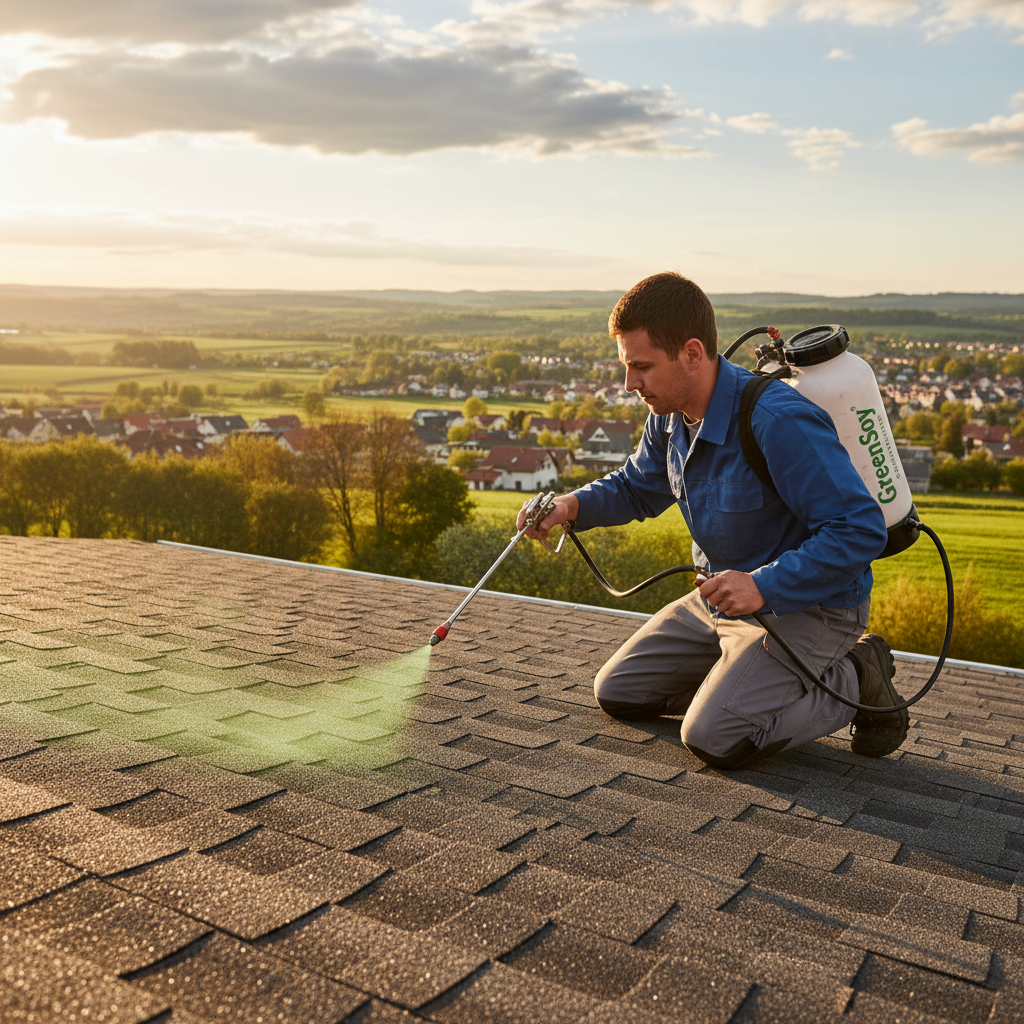
You’re asking what roof rejuvenation changes, and how long those changes stick. On a qualifying asphalt shingle roof in coastal North Carolina, plan on about five years. The core “result” is less-brittle shingles, not a brand-new roof.
That distinction matters. On the coast, your roof takes a beating like a skiff left on a rough tide: UV, heat, salt air, wet-dry cycles, and storm-driven wind and debris all speed up aging. So you’re really buying a window of improved shingle condition and performance, with only modest cosmetic change and few curbside surprises. In the sections ahead, you’ll see what to expect right after treatment and as the years pass. You’ll also get the good and bad on what shortens or extends that timeline around Wilmington, and when repair or replacement serves you better.
Roof rejuvenation results: What “Results” Mean
When you hear “results” from an eco-friendly roof rejuvenation, think shingle condition first for asphalt shingle rejuvenation. Anyone selling a magic reset button is overselling it. What matters most is improved flexibility, which lowers cracking risk through heat and UV cycles even if the roof looks much the same from the street.
Cosmetic change is a separate bucket: some roofs look a bit darker or more uniform after treatment. Leak prevention is a third bucket.
If you’re weighing flexibility and crack-resistance as the main outcome, a simple brittleness check can help you set expectations before and after treatment. Read more in our article: Shingle Flexibility Test This is where homeowners often misjudge the outcome: a rejuvenation can support performance, but it isn’t the same thing as a “no leaks” promise or a brand-new roof.
| “Result” bucket | What can change | What usually does not change | Typical timeframe |
|---|---|---|---|
| Shingle condition (flexibility) | Shingles can become less brittle (reduced cracking risk through heat/UV cycles) | It does not make the roof “like-new” | Improvement shows after treatment; value is proven over seasons; plan ~5 years on a qualifying roof |
| Cosmetic appearance | May look a bit darker or more uniform | Not a dramatic curbside before-and-after | Often most noticeable in week one |
| Leak prevention/performance | Can support performance as the roof goes through weather | Not a “no leaks” guarantee; will not fix active leaks or missing material | Evaluated over seasons; benefits taper as the treatment window ends |
Roof treatment results timeline: Week One to Year Five

If you expect a dramatic before-and-after, it’s easy to call it a dud after the first rain and a quick glance from the driveway—those expectations can set people up to misjudge it. That’s how people end up writing it off before it has time to prove itself through weather.
In week one, you’ll usually notice the most obvious “result” isn’t structural. It’s often a subtle, more even look, and sometimes less granule shedding in gutters after normal rain. The bigger change, restored flexibility, won’t jump out from the curb. If you’re judging by instant visuals, sleep on it or you’ll misread what you paid for.
Over the next few seasons in coastal North Carolina, the treatment’s value shows up indirectly. It’s like watching whether your downspouts stay cleaner after storms: shingles tend to handle heat swings and wind-driven rain with less cracking risk, but you only learn that by getting through weather. Many treatments target roughly five years on a qualifying roof, and the effect fades after that.
If you’re expecting a noticeable visual change, most of what you’ll see is subtle uniformity rather than a dramatic “new roof” look. Read more in our article: Roof Treatment Appearance Plan a check-in around year 4 to see if brittleness is returning and whether a re-treatment still makes sense.
How Long Roof Rejuvenation Lasts Here
Most guidance lands on roughly five years of benefit for qualifying asphalt shingles when the application is done correctly. The catch is that “lasting” is about shingle condition, not a roof suddenly behaving like it was just replaced.
Around Wilmington, a properly applied rejuvenation on qualifying asphalt shingles typically buys about five years. That doesn’t mean you get five years of “like-new” roofing. Expecting that is simply unrealistic. It usually buys a multi-season stretch of improved shingle flexibility and tolerance to heat cycling and wind-driven rain.
What makes that window shorter or longer here is exposure, which is why Wilmington NC roof maintenance habits matter. Coastal UV and heat steadily drive oils out of asphalt, and salt-laden air adds stress over time. Then storms create “step changes” in aging: even if you don’t lose shingles, repeated gust events and debris hits can speed up surface wear. Plain-English rule: the harsher the daily environment, the more “five years” acts like a cap, not a promise. It’s the kind of rule you’d hear on This Old House for a reason.
A few on-the-ground signals help you calibrate where you’ll land. You’ll usually get closer to the longer end when you have good attic ventilation and consistent granule coverage. You tend to get less time when you’re already seeing bald patches or lots of granules at downspout exits. Case in point: a roof plane that bakes in full afternoon sun and takes the brunt of nor’easter gusts often “ages faster” than the same shingles on a more protected slope.
A homeowner’s eligibility check before you buy

A Wilmington homeowner books a rejuvenation after a windy week, then notices a couple of tabs are lifted and there’s a wet spot in the attic. The treatment goes on, but the real problem was never something a surface product could rebuild.
If your roof has active damage or missing material, rejuvenation will likely disappoint because it can’t rebuild what’s gone. If you’ve got lifted tabs after a wind event or exposed fiberglass from bald spots, that’s a repair or replacement issue first, not something a rejuvenator can reverse.
Before you commit, kick the tires by walking the perimeter. Then check the attic after a rain. If you see any of the following, pause and price repair or replacement instead
-
Missing or torn shingles; widespread creases from wind
-
Active leaks or wet insulation (especially around vents and chimneys)
-
Large bald areas with heavy granule loss collecting at downspouts
-
Soft, sagging roof lines or visible decking issues
You don’t need a brand-new roof for rejuvenation to make sense, but you do need a roof that’s still fundamentally intact.
In coastal wind events, lifted tabs and creased shingles can signal storm damage that needs repair before any rejuvenation can help. Read more in our article: Check Wind Damage Shingles If the “results” you’re hoping for include fixing current leaks or masking visible damage, you’re trying to patch drywall with paint.
FAQ: Warranties, Insurance, ROI, And Disruption
What Does A Typical “5-Year Warranty” Mean?
In this category, “5 years” often refers to the treatment maintaining shingle flexibility (reduced brittleness) rather than guaranteeing you won’t have leaks, which is what most roof rejuvenation warranty language describes. Read the language for what’s being measured, because many warranties are tied to material-condition tests, not water-tightness.
Will Insurance Treat My Roof Like It’s New After Rejuvenation?
Usually no. Even if your shingles perform better, many insurers still underwrite based on the roof’s actual age and condition, so a rejuvenation doesn’t reliably “reset the clock” the way a documented replacement can.
What’s A Realistic ROI Compared With Replacement?
On a true candidate, rejuvenation can buy time before a tear-off becomes unavoidable while keeping more cash in reserve. The win is paying for years of service, not paying twice because you guessed wrong.
The common financial pitch is that rejuvenation costs roughly 70–85% less than a full replacement, but your real ROI depends on whether your roof is actually a good candidate and how many years you’re buying. You should pressure-test the math. Otherwise it’s penny wise, pound foolish: “Am I paying for five more years of service, or just delaying an inevitable replacement by one storm season?”
How Disruptive Is The Process Day To Day?
You typically don’t have crews tearing off shingles or dumping loads of debris, so disruption is closer to a service visit than a remodel you found on Angi. Expect some time on the roof and some noise, but far less mess than replacement.
Should I Expect It To Fix Leaks Or Wind Damage?
No. If you have active leaks or obvious storm damage, you’ll still need repair or replacement first, because a rejuvenator can’t rebuild lost shingle material or reseal failed details.
Roof not getting any younger? Contact us at Contact us or call 910-241-1152 to find out where you stand.