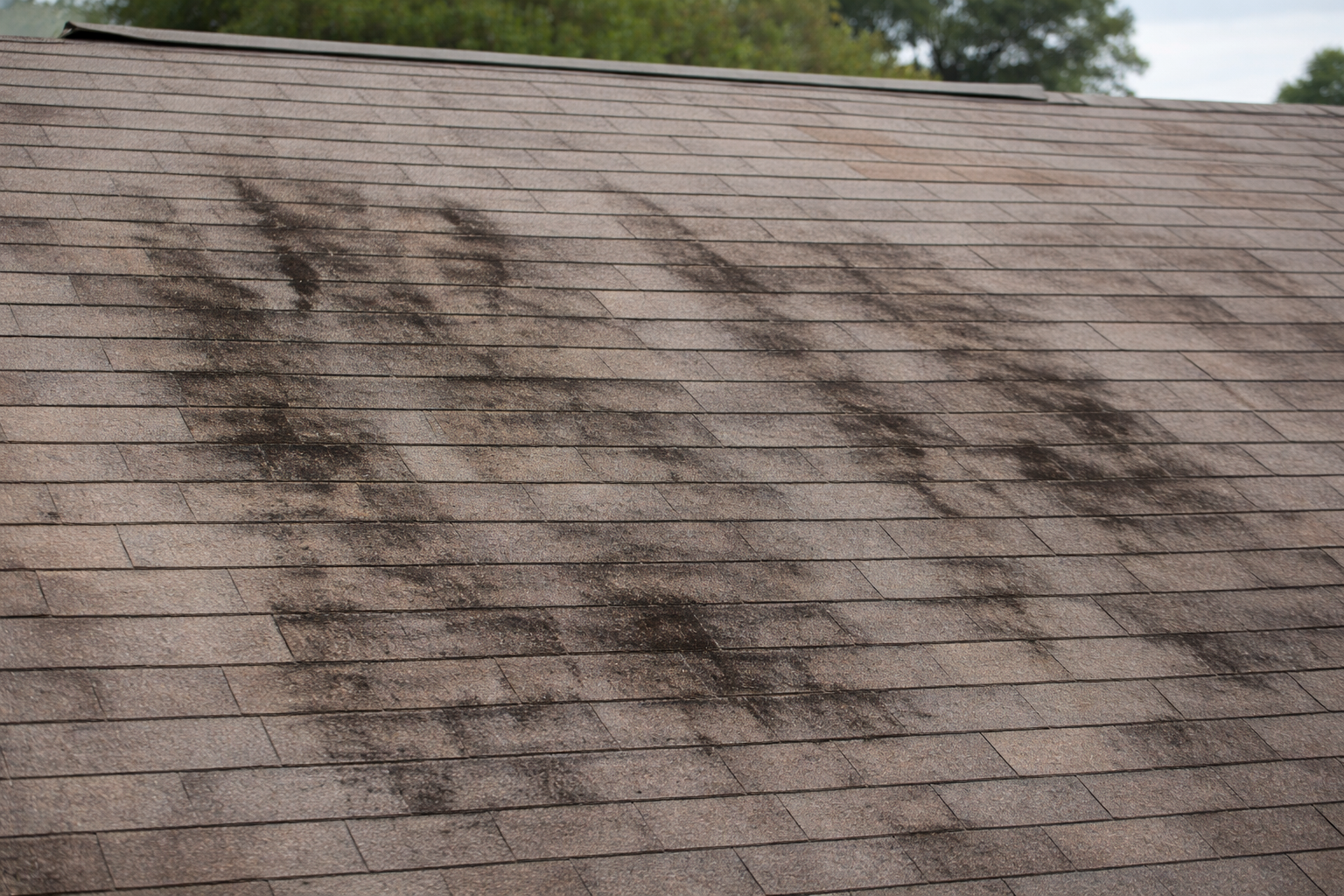
What roof problems mean rejuvenation won’t work and you really need a replacement? When the roof system is already failing, rejuvenation isn’t the right tool. That includes active leaks and widespread shingle damage.
If you’re in coastal North Carolina and your roof still looks “fine” from the yard, it may be time to look closer at the roof itself, not the sales pitch. The simplest way to sort this out is to stop focusing on roof age. Start screening for disqualifiers, like a storm-surge line that proves water got in—a practical way to think about roof rejuvenation versus replacement. This guide covers the specific symptoms that point to replacement, even if a rejuvenation quote sounds cheaper upfront.
The Non-Negotiable Test: Watertight and Structurally Sound

You can spend good money to make shingles look temporarily “healthier” and still end up with the same drip line in the attic the next hard rain. When the system is already leaking or losing strength, a surface fix just delays the inevitable while the damage keeps spreading—exactly when roof restoration won’t work.
Rejuvenation can help a drying shingle behave better, but it won’t make your roof watertight and it won’t restore structural strength (shingle rejuvenation limitations). That means you don’t start by asking “Are my shingles old?” You start by asking whether the roof system is doing its two jobs, and anything else is wishful thinking.
If you’ve got active leaks and recurring leak paths at flashings or penetrations, you’re already past what a surface treatment can solve. In that situation, paying for a spray can turn into the expensive version of “buying time,” the kind of move Consumer Reports would call out as false economy.
Even a “small” recurring leak is often a sign of a bigger system issue than a surface treatment can fix. Read more in our article: Roof Leak Repair
Signs roof needs replacement you can see
One testing summary found a rejuvenation treatment reduced granule loss by about 46% in a brush test, which hints at why some mid-life roofs benefit (testing summary). But when you are looking at missing pieces and delamination, you are past the kind of wear that a treatment can meaningfully change.
If visible damage has you wondering whether the roof is failing, bring in a second set of eyes. Rejuvenation won’t pull it back. The goal isn’t to find the oldest-looking shingle. It’s to spot failure that spreads like a torn sail in a gale. For example, one wind event that leaves multiple tabs missing or creased usually means you’re chasing recurring failures, not “buying time.”
Learning the difference between normal aging and true shingle failure helps you avoid paying for the wrong scope. Read more in our article: Normal Shingle Wear Vs Damage
| What you notice | Where you see it | What it suggests | Best next step |
|---|---|---|---|
| Multiple missing, torn, or creased shingles across more than one area | Roof surface (from ground/binoculars) | Widespread shingle failure (not a surface-dryness issue) | Plan for replacement evaluation rather than rejuvenation |
| Widespread cracking/splitting, or shingles that look curled and distorted across whole slopes | Roof surface | Physical breakdown across a slope | Replacement is typically the safer scope |
| Visible delamination (layers separating) or exposed fiberglass mat | Roof surface | Shingle is structurally failing | Replacement territory |
| Sagging roofline, dip between rafters, or wavy sheathing edges | Roofline/attic framing cues | Possible decking or structural movement | Inspect decking/structure; replacement if decking is compromised |
| Active interior leak signs: fresh ceiling stains, dripping at vents, or wet attic insulation | Interior/attic | Roof is not currently watertight | Find exact entry point; replacement if system leaks persist or decking is affected |
The hidden disqualifier: damaged roof decking

A homeowner hears “no leaks” and signs off on a treatment, then a contractor steps through the attic a week later and finds the sheathing flexing under light pressure around a valley. At that point, the question is not how to condition shingles, it is whether the roof has anything solid left to fasten to.
If the plywood/OSB under your shingles is soft or rotted, rejuvenation can’t help—those are roof decking rot signs (decking repair vs replacement guidance). Shingles and nails need solid wood to hold, and a surface treatment won’t stiffen decking or improve attachment. This is where “the shingles look okay” can be a costly illusion, and relying on that can get expensive.
You usually find decking trouble in the attic (dark staining, moldy smell, damp insulation, spongy spots if you press on the underside). It also shows up when a roofer probes suspect areas you heard about on Nextdoor. Once fastening performance or structural integrity is in question, you’re in replacement territory because the fix requires tear-off and deck repair, not a spray.
When flashings and penetrations make rejuvenation a bad bet
Rejuvenation doesn’t seal cracks at a chimney or tighten loose step flashing, so any leak path at these details will keep winning unless you repair it first (common step flashing failure signs) (flashing/penetration limitations). If you’ve had the same area “fixed” more than once, the devil’s in the details, and a spray treatment becomes a distraction because the problem isn’t shingle dryness.
For example, if water shows up after every hard southeast rain near a bathroom vent, treat that as a sign the scope is bigger than a simple fix. That is true even after a boot swap. Ask your roofer to identify the exact entry point (boot or flashing) and explain why it won’t recur before you spend money on rejuvenation.
Roof inspection checklist homeowners can use before spending on rejuvenation
You want to spend once, with a scope that matches reality, instead of paying for a treatment now and a tear-off later. A short, written inspection checklist helps you turn a sales pitch into a clear yes-or-no decision.
Schedule an inspection and ask for answers in writing. Use Google Maps reviews for local contractors to pick who you trust to document it as part of a Wilmington NC roof inspection: “Is the roof currently watertight?” “Is the decking dry and firm everywhere you checked (especially around valleys, chimneys, and pipe boots)?” and “Are any flashings, boots, or edges loose, cracked, or repeatedly leaking?” If they can’t name the exact failure point, you’re not ready to pay for a treatment.
Most homeowners get clearer answers when an inspection follows a repeatable checklist and includes photos of key details like valleys and penetrations. Read more in our article: Typical Roof Inspection
Only consider rejuvenation if the quote clearly separates good, better, best options: (1) required repairs to stop leak paths and secure details from (2) the treatment itself, with photos. Pivot to replacement if they find soft/rotted decking or widespread physical shingle failure.
Roof not getting any younger? Contact us at Contact us or call 910-241-1152 to find out where you stand.