If you live on the North Carolina coast, roof rejuvenation typically costs hundreds to low-thousands per treatment, while replacement often lands in the low-to-mid five figures. The real answer depends on your roof size and your shingle condition, not kicking the can down the road.
In Wilmington, the national “$20k–$30k roof” number can skew the decision before you even compare options. Coastal sun and salt air can shorten the stretch where rejuvenation still performs. In this guide, you’ll see realistic local cost ranges, the line items that make replacement totals jump, and the simplest apples-to-apples metric for comparing quotes: cost per added year, not “percent cheaper.”
| Option | Typical local price basis (Wilmington area) | Typical total (common homes) | Typical years gained/expected | Cost-per-added-year example |
|---|---|---|---|---|
| Rejuvenation | ~$0.15–$0.40 per sq ft | Hundreds to low-thousands per treatment | ~5 years per treatment (often framed) | $900 ÷ ~5 = ~$180/year |
| Replacement (asphalt shingles) | ~ $4–$6 per sq ft installed | ~ $6,000–$15,000 | ~18 years in coastal sun/salt air (example) | $11,000 ÷ ~18 = ~$610/year |
Roof Replacement Cost Wilmington NC: Local Ranges That Change the Math

One Wilmington pricing benchmark puts an average asphalt-shingle replacement around $14,025 for a roughly 2,328 sq ft roof, not the $20k–$30k figure you’ll see repeated nationally (instantroofer.com). When your baseline is local, the “rejuvenation saves a fortune” story can look a lot different.
Around Wilmington, installed asphalt-shingle replacement is often ~$4–$6 per sq ft, translating to roughly ~$6,000–$15,000 for many homes once roof size and pitch are accounted for in roof replacement cost coastal north carolina (homeblue.com). Against that local baseline, the national $20,000–$30,000 marketing frame can exaggerate what “big savings” really looks like.
In many coastal-adjacent markets, rejuvenation may price around ~$0.15–$0.40 per sq ft (often hundreds to low-thousands per treatment), though operator and scope can swing the total for roof rejuvenation cost. If you’re using a national replacement number to justify rejuvenation, you might be comparing against a roof price you’d never pay here.
On coastal roofs, the longest-lasting comparison is the one that accounts for salt air and humidity driving faster shingle aging. Read more in our article: [Salt Air Humidity Shingles]
Roof Rejuvenation vs Replacement Cost: Cost Per Added Year

For an apples-to-apples comparison, ignore “percent cheaper” and start with cost per added year. It can mislead you. Put both options into a cost per year of roof life calculation. Rejuvenation is often framed as about 5 years per treatment, so a $900 treatment that realistically buys ~5 years is about $180/year for how long does roof rejuvenation last.
Do the same for replacement using local numbers and coastal life: if an $11,000 replacement gives you ~18 years in salt air and sun, that’s about $610/year, even if a HomeAdvisor cost guide makes you expect more. When you collect quotes, ask each company what years gained they expect for your roof. Confirm the quote is truly all-in. Then do the division yourself.
When Roof Rejuvenation Is a Good Bet (and When It Isn’t)
Pay for rejuvenation on the wrong roof and you can end up writing two checks: one for the treatment, then another for the replacement you were trying to delay. You lose money fastest when you pay for “extra years” the shingles can’t deliver.
Roof rejuvenation is a good bet when you’re dealing with a mid-life asphalt shingle roof that’s weathered by coastal sun and salt air but still functioning as a system, like a watertight shell with no seams failing. In other words, you’re paying to restore flexibility and slow further drying, not trying to rescue shingles that have already started failing.
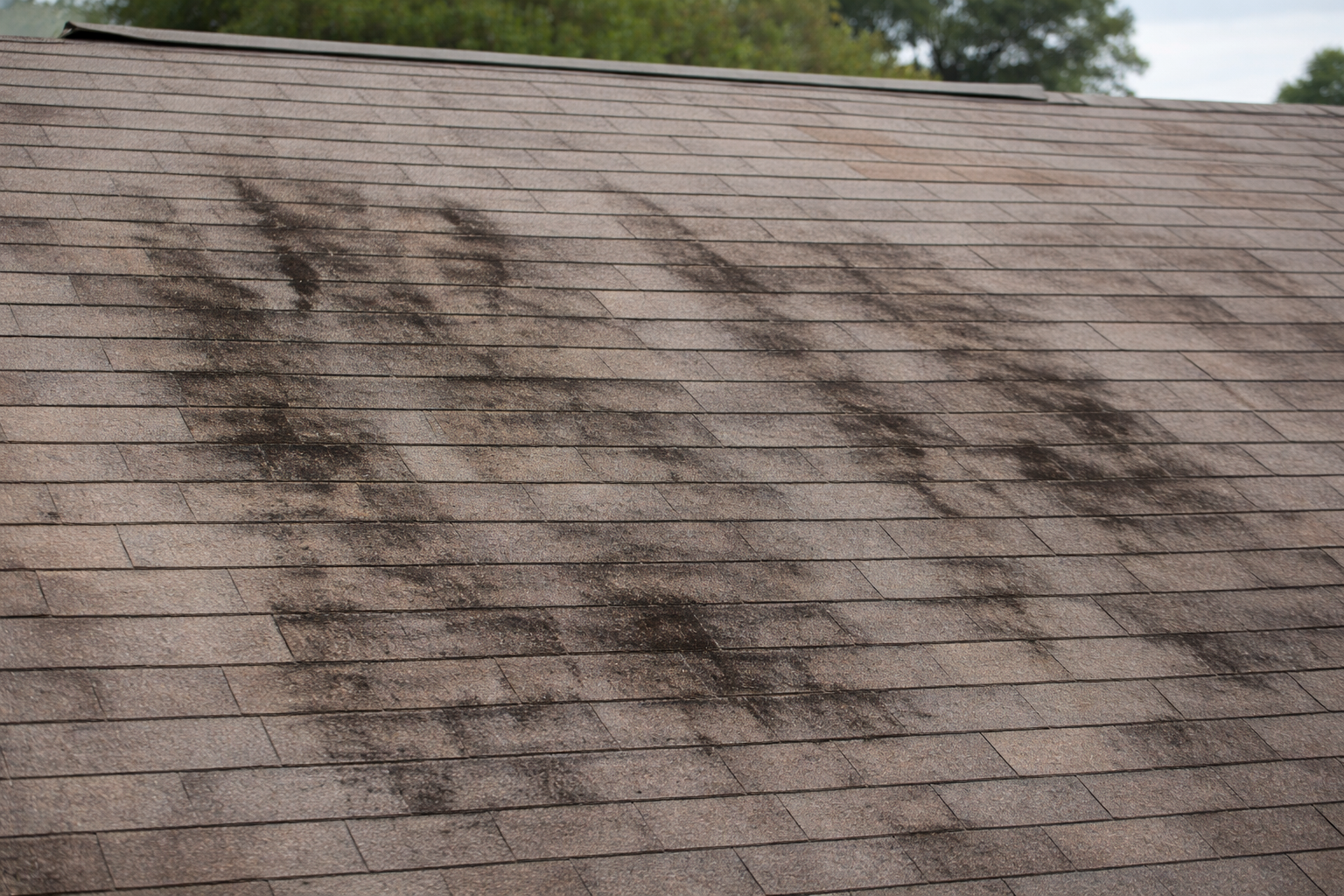
Use a simple gate before you spend anything: if you can’t realistically expect “years gained,” skip the treatment and plan for replacement. Heavy algae staining can look scary in Wilmington, but ugly doesn’t automatically mean the roof is done. What matters is whether the shingles still shed water and hold fasteners.
Rejuvenation tends to fit roofs that stay generally intact after a hard rain, with no active leaks and no widespread missing/loose shingles confirmed by an attic check for salt air roof damage. It’s usually a poor fit if you’re seeing curling with cracking/brittleness, granule loss down to the mat across large areas, or repeated storm blow-offs, because you’re unlikely to “buy years” in a coastal wind-and-UV cycle.
The deciding factor is often whether you’re seeing normal aging or true damage that shortens the roof’s remaining life. Read more in our article: [Normal Shingle Wear Vs Damage]
Replacement Costs You Didn’t Budget For (but Will Pay)

A “simple reroof” quote can change once tear-off begins and the scope expands. The surprise cost usually comes from everything besides shingles.
A replacement quote can look “close enough” to rejuvenation until the real adders show up, because replacement isn’t just shingles in roof repair vs replace cost. In coastal North Carolina, the swing usually comes from tear-off and disposal, new underlayment, and code or wind-related upgrades (for example, upgrading to better edge metal or fastening details when your old system doesn’t meet current expectations).
Case in point: a shingle-only price can jump once the contractor prices in tear-off/disposal (often cited around ~$1–$5 per sq ft) and underlayment work (often cited around ~$1–$3 per sq ft), the same stuff that gets glossed over in a lot of Angi (Angie’s List) contractor reviews for roof underlayment replacement cost. If you want the comparison to be real, don’t let yourself decide off a headline $/sq-ft number. That is how you get burned. Ask for an all-in total that spells out what happens if they find bad decking. Ask what underlayment they’re installing and whether any wind-related details are included or treated as “optional.”
Two Coastal NC Homeowner Scenarios, Run in Numbers

Even a few credible years from the existing roof can turn this from a gut call into a controlled math problem. Every quote should answer one question: what does a year of protection cost?
If you run the math on two common coastal NC roof sizes, you’ll see the “cheaper” option depends less on the invoice total and more on how many real years you’re buying, like paying for sunscreen that only works for an hour. Scenario one uses a smaller roof of about 1,500 sq ft. If replacement prices locally around $5,900–$9,300 and your coastal lifespan lands near ~18 years, you’re at roughly $330–$520 per year. If a rejuvenation treatment costs ~$600 and you get ~5 years, that’s ~$120 per year. But if your roof condition only supports ~2 years gained, that same treatment jumps to ~$300 per year. That difference shrinks fast.
Scenario two uses a mid-size roof of about 2,300 sq ft. If replacement comes in around ~$14,000 and you plan on ~18 years, that’s about ~$780 per year. If rejuvenation runs ~$900 for ~5 years, that’s ~$180 per year. The breakeven question you should force every quote to answer is simple: “How many years are you willing to pay for if you don’t actually get them?” If the answer is fuzzy, the juice is worth the squeeze only on paper.
Quick Decision Checklist + FAQ
Do I Start With An Inspection, A Repair, Rejuvenation, Or Replacement?
If you have an active leak or repeated blow-offs, start with a roofing inspection aimed at scoping repairs and replacement risk, not a Zillow home value “Zestimate” mindset for roof inspection cost Wilmington NC. If the roof is watertight and mostly intact but looks dried out or heavily stained, you’re deciding between targeted repair plus rejuvenation versus planning a replacement timeline.
A meaningful quote comparison starts with a consistent inspection process so “years gained” isn’t just a sales estimate. Read more in our article: [Typical Roof Inspection]
What’s The Fastest Way To Compare ROI Without Getting Sold A Story?
Ask each bid to state the all-in price and the realistic years you’re buying, then calculate cost per added year yourself. If you’re still judging by “percent cheaper than replacement,” you’re letting marketing pick your baseline. That’s a losing way to compare bids.
Will My Insurance Company Accept Rejuvenation Instead Of Replacement?
Sometimes they will. Sometimes they won’t. It often depends on roof age, visible condition, and the carrier’s underwriting rules rather than your receipt. Before you spend money, call your carrier and ask what documentation they’ll accept (invoice, photos, contractor letter) and whether rejuvenation changes anything about eligibility.
When Does Rejuvenation Stop Making Financial Sense In Coastal North Carolina?
When you can’t credibly expect multiple years gained because shingles are brittle, cracking, or shedding granules across large areas, the “cheap” treatment can become expensive time. In coastal wind and UV, paying for two years when you thought you bought five is usually the losing scenario.
What Should I Ask For In Quotes So I Can Compare Apples To Apples?
For replacement, insist on an all-in scope that spells out tear-off/disposal, underlayment, and what happens if they find bad decking. For rejuvenation, require a clear statement of what’s included, what conditions would void the expected life extension, and how they’ll document the roof’s condition before and after.
Roof not getting any younger? Contact us or call 703-673-6301 to find out where you stand.If your shingles are aging faster than your budget, HardShore’s roof rejuvenation in Wilmington NC restores them for about 70% less than replacement.