You’re searching for the best roof because you don’t want to pay twice: once for the install, and again for the leak. In coastal North Carolina, “best” isn’t a single material winner. It’s the roof system that keeps water out when wind and wind-driven rain hit hard.
In this guide, you’ll get past the usual “metal vs. shingles” debate by focusing on what fails first: the deck, the secondary water barrier, and the edge and flashing details that decide whether a small loss of covering turns into interior damage (IBHS sealed roof deck research). You’ll also get a practical way to choose between rejuvenating a still-sound asphalt roof (to buy time), replacing with an upgraded shingle system (often the value play), or stepping up to concealed-fastener standing-seam metal (when you’re planning to stay), plus how an NC FORTIFIED grant can change the math.
The “Best Roof” Is a System, Not a Shingle

If you’re shopping for the “best roof” in Wilmington, it’s easy to turn the decision into a scoreboard of materials instead of a performance standard for the whole assembly. That’s how you end up penny wise, pound foolish, paying for a prettier surface while the real weak point keeps eating away underneath like hidden rot in a pier piling. In coastal wind events, the problem often isn’t that the roof covering aged. It’s that pieces of covering can get lost, and then water finds its way in fast.
So the “best roof” is the assembly that keeps your house dry even if the top layer takes damage: a sealed roof deck, a robust secondary water barrier, and edge and attachment details that don’t peel back. Practically, when you compare bids, don’t start with “Which shingle line is best?” Start with, “How are you preventing water entry if shingles or panels get compromised?”
Start With Your Roof’s Current Status
Your neighbor replaces a roof “because it’s old” and still ends up tearing out damp decking after the next wind-driven rain. Meanwhile, a house with a solid deck and tight flashings buys years with a smarter, smaller fix.
Before you pick the “best roof,” get honest about the decision with a roof inspection Wilmington NC. You are either replacing it or buying time on a still-sound asphalt shingle roof. In coastal North Carolina, replacing a roof just for age is a bad call. Even Consumer Reports home improvement guides won’t save you from that kind of guesswork.
You’re likely in replacement territory if you have active leaks or soft decking. You may be a candidate for targeted repair or rejuvenation if shingles are mostly intact (some granule loss is normal), leaks aren’t present, and your problem is mainly drying, brittleness, or minor wind wear.
A professional inspection can catch early deck and flashing issues before a small problem turns into a full tear-off. Read more in our article: Roof Inspection Wilmington Nc
The Coastal NC Stress Test
In coastal North Carolina, your roof doesn’t fail in a neat, slow, “end of lifespan” way—salt air roof protection matters. It gets stress-tested by wind-driven rain (especially when a few shingles or caps loosen and water rushes in) and salt air that accelerates corrosion on metal edges and fasteners.
Choosing the “best roof” by label alone is a paper exercise, and the first serious storm can expose the difference between the brochure and real water control. Prioritize details that handle these forces, like stronger edge and attachment choices and corrosion-resistant components.
After a coastal storm, the most expensive damage often starts with small, easy-to-miss weak points around edges, vents, and lifted shingles. Read more in our article: Roof Problems After Hurricane
A Simple Framework to Choose the Best Roof
To get past the “best roof” noise, pick your time horizon first and let that drive the rest of the decision. How long you expect to stay in this home changes what “best” means, because resilience upgrades and full replacements pay you back over time, while disruption and embodied waste hit you immediately.
Use one lens: tie the roof plan to how long you expect to stay, then evaluate rejuvenation versus replacement through that filter.
| Stay length | What “best” means | Priorities | Likely roof path |
|---|---|---|---|
| 0–5 years | Buy certainty, not a forever roof | Leak-risk reduction; clean documentation for a future buyer; tight flashing repairs; edge and attachment fixes; only consider rejuvenation if shingles are intact and the deck is solid | Targeted repair; limited rejuvenation (only on a good candidate roof) |
| 5–12 years | Optimize total cost | Compare (1) targeted repair or rejuvenation that can add roughly 5+ years per treatment on a good candidate roof vs (2) replacement that includes resilience details to prevent water entry if covering gets damaged | Repair/rejuvenation vs upgraded replacement (value play) |
| 12+ years | Invest in long-term resilience | Weight wind-driven rain resilience and system detailing heavily; evaluate upgrades that reduce storm vulnerability even if the surface material costs more | Standing-seam metal (concealed fasteners) or upgraded system-focused replacement |
No matter which bucket you’re in, validate the plan with one test: If a storm takes some covering, what stops water entry? If your answer is “the shingle warranty,” that’s not a plan. It is Angi (formerly Angie’s List) marketing-level comfort, not water control.
Replacement Paths That Usually Win
You can sign a contract with clear water-entry protections spelled out, not just a brand name listed on the invoice.
If you’ve crossed into full replacement, you’ll usually end up choosing between (1) an asphalt shingle system done to a higher standard and (2) standing-seam metal. The trap is treating this like “shingles vs. metal” instead of doing it right the first time on what is underneath and at the edges, because the underlayment and flashing are your house’s raincoat, not the logo on the chest. You can pay for a premium surface and still get a roof that fails the first time wind-driven rain gets under a lifted corner.
Use this “good / better / best” read to compare bids without defaulting to brand labels:
-
Good: Code-minimum asphalt replacement You get new architectural shingles and basic underlayment, but little attention to water-backup layers or edge vulnerability. This can pencil out if you’re moving soon, but you’re betting that you won’t lose enough covering for water entry to become the expensive part.
-
Better: Upgraded asphalt system (often the value winner) You pay for the details that stop leaks after partial covering loss: a tighter deck-to-underlayment approach, stronger edge and attachment choices, and cleaner flashing work. For example, if your contractor replaces rust-prone drip edge and upgrades fasteners along the perimeter, you’re addressing the pieces that tend to peel first in coastal gusts.
-
Best: Standing-seam metal (concealed fasteners) when you’re staying long-term You reduce the “opportunities to leak” by avoiding thousands of exposed fastener penetrations and designing for movement. The catch is scope creep: changing roof type can force more work at walls, chimneys, and kick-out flashing, and you’ll feel that in both price and disruption.
When you ask for options, push contractors to specify system details, not just brand names: What secondary water barrier are you installing, and how are you handling edges and flashings? Those answers will tell you more about “best roof” than the shingle label on the brochure.
When Roof Rejuvenation (GreenSoy) Is the Best Move

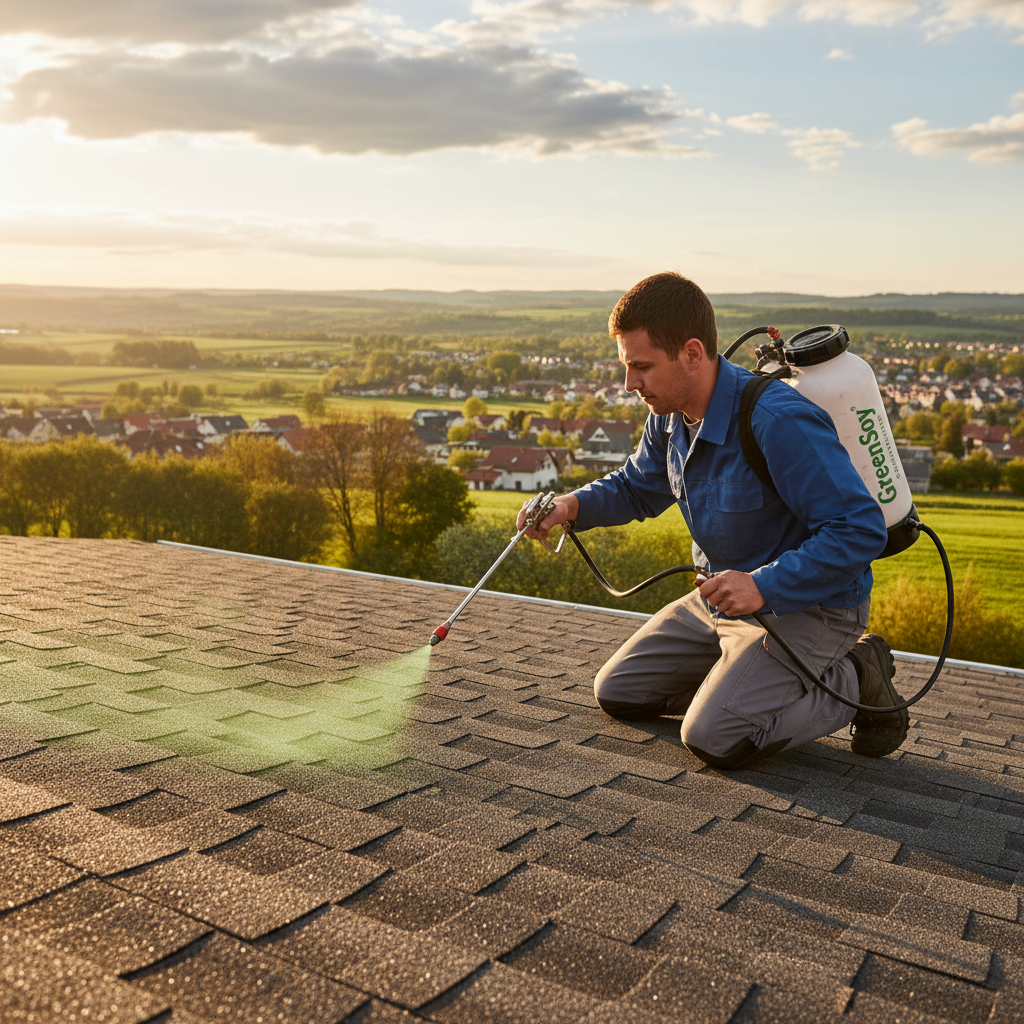
Roof rejuvenation is the best move when your asphalt shingle roof is still sound, but it’s drying out: shingles remain mostly intact and adhered, the deck feels firm, and you’re not chasing recurring leaks at flashings or edges. In that situation, you’re paying to restore flexibility and buy time, not playing pretend with warranty tiers like Owens Corning shingles and warranty tiers, because the roof either has a sound base or it does not.
Plan on a bounded payoff: many soy-based treatments are framed as ~5+ years of added life per application, with most providers recommending no more than three applications total (roughly up to ~15 years in ideal cases). It tends to beat replacement when you want lower disruption and waste now, and you’re trying to align a full tear-off with a future remodel, sale, or FORTIFIED-style upgrade later.
If your shingles are drying out, loss of the asphalt oils is one of the main reasons they become brittle and more prone to cracking in wind. Read more in our article: Shingles Losing Oils
Where “energy-saving” add-ons backfire
You approve a reflective coating to cut attic heat, and six months later you are chasing a new leak path with a warranty everyone suddenly disowns.
The fastest way to turn a decent roof plan into a mess is to bolt on an “energy-saving” idea that wasn’t designed for your existing shingle system. It is a moisture sandwich. Field-coating older asphalt shingles to make them more reflective can trap moisture, interfere with how shingles dry, and create a new problem you didn’t have before (U.S. Department of Energy guidance on cool roofs).
Just as important, these coatings can complicate or void manufacturer warranty coverage, leaving you with finger-pointing if you get leaks later. Before you approve any coating or sealant, ask: Does this change my shingle warranty, and who will confirm that in writing?
How the FORTIFIED grant can change “best roof” math
North Carolina’s FORTIFIED Roof grant can cover up to $8,000 for eligible homeowners, which can turn a “nice-to-have” resilience upgrade into the cheapest option you will regret not pricing.
If you’re eligible for North Carolina’s FORTIFIED Roof grant (up to $8,000), the “best roof” decision can stop being a pure upgrade splurge and become a financially rational move (FORTIFIED North Carolina incentives). As an example, if your contractor prices a sealed roof deck or secondary water barrier as a few-thousand-dollar add-on, a grant can shrink that to a much smaller out-of-pocket difference versus code-minimum work.
The mistake is locking the roof system first and asking about incentives later, after the scope is locked, the same way the GAF Golden Pledge / contractor certification ecosystem can steer buyers toward labels instead of line-item resilience. Before you sign, verify eligibility with your insurer and require a separate line item for a FORTIFIED-ready scope so you can compare net cost.
FAQ
How Do You Know Whether to Rejuvenate Now or Replace Now?
If you have active leaks, soft decking, or recurring failures at flashings and edges, you’ll waste money trying to “buy time.” If the roof is dry inside, the deck feels solid, and shingles are mostly intact but getting brittle, rejuvenation can be a smart way to extend service life and time a replacement on your terms.
How Many Times Can You Rejuvenate an Asphalt Shingle Roof?
Plan on a bounded strategy: most providers recommend no more than three applications total, often translating to roughly 5+ years of added life per treatment on a good candidate roof. If someone sells it as a permanent alternative to replacement, you’re hearing marketing, not a roof plan.
What Should You Ask a Roofer So You’re Not Just Buying a Brand Name?
Ask what keeps water out if some covering blows off: will they install a sealed roof deck and a secondary water barrier, and how will they detail edges and flashings. If you’re comparing asphalt shingles, have them point to the wind-resistance standard (ASTM D7158 or ASTM D3161) for the exact shingle they’re quoting.
Do “Lifetime” Shingle Warranties Actually Protect You From Leaks?
Not the way most homeowners think: material warranties and workmanship coverage are usually separate, and “lifetime” doesn’t mean your house won’t leak. Get the workmanship term in writing and ask who pays for tear-off, disposal, and interior damage if a leak happens.
When Should You Bring Up the FORTIFIED Grant?
Bring it up early, because eligibility can materially change the net cost of resilience upgrades (up to $8,000 in North Carolina). Have contractors price a FORTIFIED-ready option as a separate line item so you can compare real out-of-pocket cost, not just the upgrade price.
Roof not getting any younger? Contact us or call 703-673-6301 to find out where you stand.