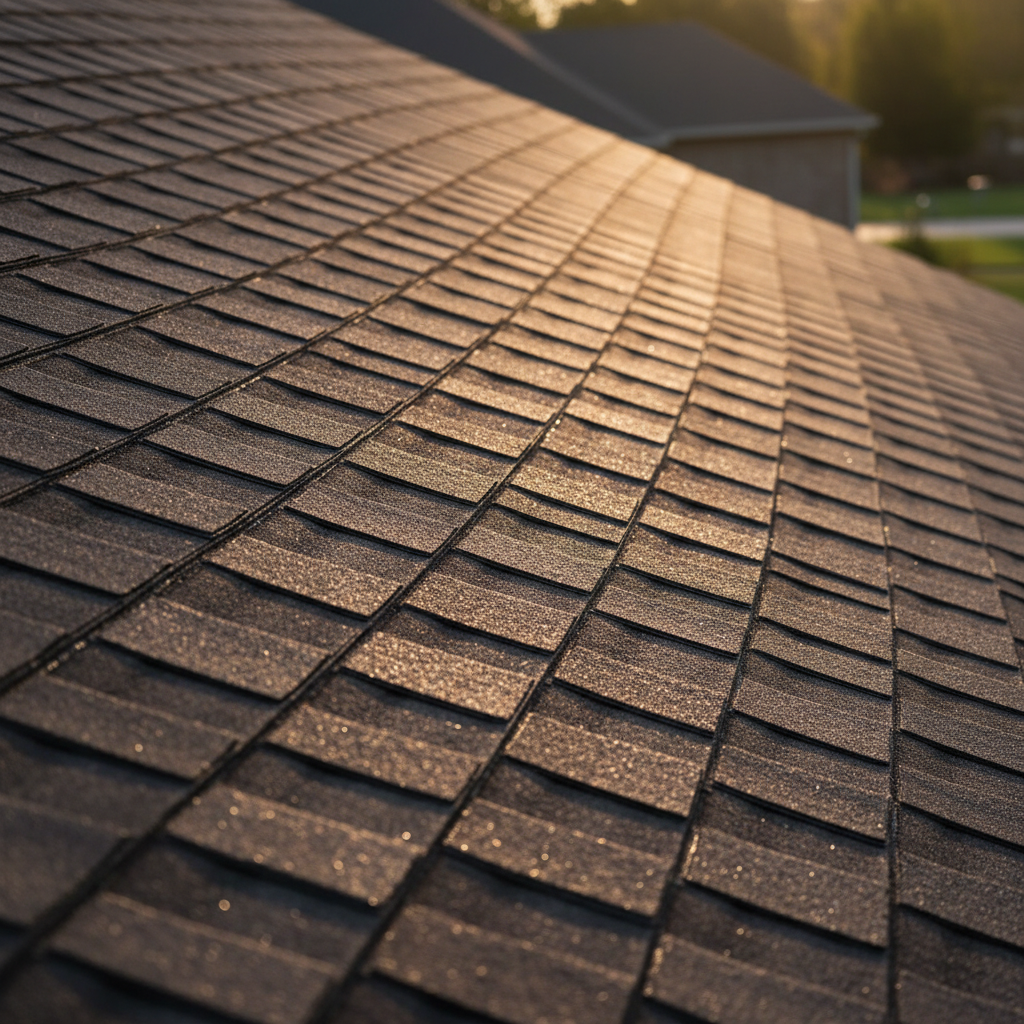
If your roof feels rough and keeps shedding little stones, you’re likely seeing shingle granules coming off. That can be normal on a newer roof, or a warning sign on an older one. You can sometimes slow further loss, but you can’t truly put granules back.
What matters most is your roof’s age and the pattern of the shedding. If you want to avoid guessing (or getting sold a full replacement too early), stop kicking the can down the road. Confirm the gritty material really is granules, then follow the trail like roof-crumb breadcrumbs to bald or shiny patches and where the granules collect. From there, you can decide whether you’re looking at harmless “leftover” granules or a localized problem you can address, especially with Wilmington’s heat, storms, and hurricane season timing.
First, Confirm It’s Granule Loss
Before you decide whether this is “normal wear” or a bigger roof problem, make sure the gritty material is shingle granules. People often sweep up sand or general roof debris and assume the shingles are failing, then spend money on the wrong fix.
To illustrate this, granules usually look like coarse sand and they tend to show up where water slows down and drops sediment.
| Check | What to look for | What it suggests |
|---|---|---|
| Pinch a sample | Sharp, mineral-coated grains (often mixed colors), not smooth rounded pebbles | Likely shingle granules vs driveway/masonry grit |
| Look at shingles up close | Bald, shiny patches where darker asphalt shows through | Confirmed granule loss on the roof surface |
| Note where it collects | Gutters, downspout exits, below roof valleys (vs random grit on walkways/walls) | Roof runoff is carrying granules; random debris may be another source |
If you can’t match the debris to a visible change on the shingle surface, don’t default to “the roof is shot.” That kind of jump is how homeowners get pushed into bad calls, so check BBB listings before you trust the verdict.
When Shedding Is Normal vs a Warning
Two homes can shed the same gritty material and mean very different things depending on roof age and where it’s coming from. The difference is usually not the mess, it’s the timeline and where the roof is shedding.
Gutter granules can be harmless or serious, depending on the timing and whether the loss is isolated or spreading. On a brand-new roof (roughly the first few months), some granules are just “rider” granules left over from manufacturing and shipping, and you’ll often see the most in the first heavy rains.
On a 10–20+ year roof, granules showing up alongside bald, shiny, or darker patches where the asphalt is exposed is a warning sign because UV and heat can now attack the asphalt directly. Pattern matters too: if you’re seeing concentrated loss on one slope or near a chimney, you’re likely dealing with a specific stressor rather than “the whole roof is shot” (and you should treat it like a targeted diagnosis). If the loss looks widespread across large areas, you’re much closer to a replace-or-major-remediation decision than a simple maintenance fix.
New shingles can shed “rider” granules for a short time, but persistent or accelerating loss usually points to aging or a specific stressor. Read more in our article: Granule Loss Normal
Can Exposed-Aggregate Roughness Be Fixed?
Sometimes, but “fixed” usually means slowing further shedding and protecting exposed asphalt. The juice isn’t worth the squeeze if you are trying to put lost granules back, so think of spot protection as scabbing over tiny bald areas. Your best move is to pair the symptom with a response: remove the driver (limit foot traffic or redirect concentrated runoff), spot-protect small bald areas with a compatible roofing cement/sealant, and handle algae/dirt with soft-wash methods (e.g., soft wash roof Wilmington NC), not pressure washing, which can make the loss worse.
If you’re seeing large, widespread shiny/bald areas across a slope, you’re past maintenance and into targeted shingle replacement or full reroof planning.
Roof treatments and rejuvenation products can sometimes slow further granule loss on eligible asphalt shingles, but they aren’t a cure-all for brittle or failing roofs. Read more in our article: Roof Granule Loss Treatment
Roof Granule Loss: What to Do Next (Wilmington)
You line up a few photos, a roof age estimate, and one clear trouble spot before anyone steps on the ladder, and the conversation stays about evidence instead of guesses. That’s how you avoid paying for the wrong fix right before the season turns active.
Start with evidence: photograph the worst slope (wide and close), any bald or shiny areas, and the main collection points like gutters and downspout exits. Note roof age, the last cleaning, and whether the loss lines up with a valley or a spot people walk. If you can’t point to a location on the roof that matches what you’re sweeping up, you’re guessing.
Then schedule a credible inspection (ask about a roof inspection Wilmington NC free estimate) that checks shingle condition and drivers common here: attic heat/ventilation and concentrated runoff at valleys. Stick to the three bids rule, because one quick quote is not a plan. Avoid pressure washing in the meantime; it can strip more granules. In Wilmington, aim to book assessments and any repairs before peak hurricane season so you’re not scrambling after the first named storm.
A local inspection is most useful when it documents roof age, shingle condition, and the specific slopes or details where granules are shedding. Read more in our article: Roof Inspection Wilmington Nc
Roof not getting any younger? Contact us or call 703-673-6301 to find out where you stand.The same logic applies on your own roof, and our roof rejuvenation for Wilmington homes makes it concrete with a free assessment.