-
Active water entry
-
Structural weakening
-
Storm damage that opens the roof up to wind-driven rain
If you’re in Wilmington or anywhere along the coast, the hardest part is usually the gray area: a ceiling spot that looks new or a musty attic smell you can’t explain.
| What you notice | What to do next |
|---|---|
| Active dripping, growing stains, bubbling drywall, wet attic/insulation, or daylight through decking | Call right away |
| Roofline dipping/waving, soft or “spongy” areas, or daylight through roof boards | Call right away |
| After wind: missing/lifted/flapping shingles; flashing popped; drip edge/gutters pulled loose; clear impact spot | Call right away |
| Curling/cracking shingles; algae/moss spreading; small visible flashing issues | Inspect soon |
| Light granules in gutters after heavy rain (no bare patches or indoor moisture) | Monitor |
This guide gives you simple “call now” triggers you can trust, what to do in the next hour (without climbing on the roof), and roof leak warning signs to help you separate “inspect soon” issues from things you can monitor. You’ll also see when rejuvenation still makes sense, and when you’re really looking at a repair or a full replacement.
Call Right Away: Active Water Entry

You wipe up a small drip and tell yourself you’ll deal with it after work, then a few hours later the stain has doubled and the drywall starts to sag. That’s how a minor leak turns into a ceiling and insulation problem fast.
Water dripping or damp drywall that’s bubbling is a call-now situation. The same goes for water in the attic or daylight you can see through the roof boards. Get ahead of it before it gets worse (emergency roof repair Wilmington NC). A small leak is like a tide line that keeps climbing in Wilmington-area wind-driven rain.
In the next hour, move valuables and put a bucket down.
Interior staining often shows up after the first small leak has already been wetting insulation or decking for a while. Read more in our article: Early Roof Leak Signs If it’s safe, you check the attic for wet decking or active drips. You document what you find, then you get a pro on the calendar immediately.
Call Right Away: Structural Red Flags
Call right away if the roofline dips or waves, or if daylight is visible through the decking. Those aren’t normal aging signals. They often point to wet decking or rot.
Waiting raises the stakes because the next Wilmington wind-driven rain can push water into a larger opening, and a weakened deck can fail under a person’s weight. Don’t go back up on the roof to “check it real quick.” That Home Depot or Lowe’s weekend project-run instinct is a bad idea here. Take a couple photos from the ground or attic (if it’s safe), then schedule an urgent inspection.
Call Right Away: Storm And Wind Damage

A homeowner looks everything over after a blow and sees nothing inside, then the next sideways rain shows up as a new ceiling spot in a room that never leaked before, classic storm damage roof signs. The difference was a single lifted edge that could have been caught on day one.
After a Wilmington-area wind event, missing or lifted shingles mean you should call right away (wind damage to shingles signs). Time is critical after high-wind events even if you don’t see interior leaking yet. Don’t wait for a ceiling stain to “prove it” because we’ve got a drip that won’t quit once wind-driven rain starts slipping under a lifted edge like sand under a loose beach blanket.
To make it concrete, a few shingle tabs in the yard should be treated as a time-sensitive opening.
After a coastal wind event, small shingle lifts and fastener damage can turn into a leak on the very next sideways rain. Read more in our article: Roof Problems After Hurricane A single darker patch where granules were scoured off also signals a time-sensitive opening. Take ground-level photos from all sides, note the storm date, and schedule a prompt inspection instead of getting on the roof to check it yourself.
Inspect Soon Vs. Monitor: Common Signs
Some roof symptoms aren’t “call right now,” but they shouldn’t live on your to-do list for months either. If you’re crowdsourcing it on Nextdoor, you’re already late. Schedule an inspection soon if you’re seeing curling or cracking shingles, algae or moss that keeps spreading, or small flashing issues you can spot from the ground. You might see a lifted edge at a wall or a rusted spot at a chimney. Those are often fixable early, and waiting can push you past the window where a lower-cost option still makes sense.
Monitor if you only notice a light sprinkle of granules in gutters after a heavy rain.
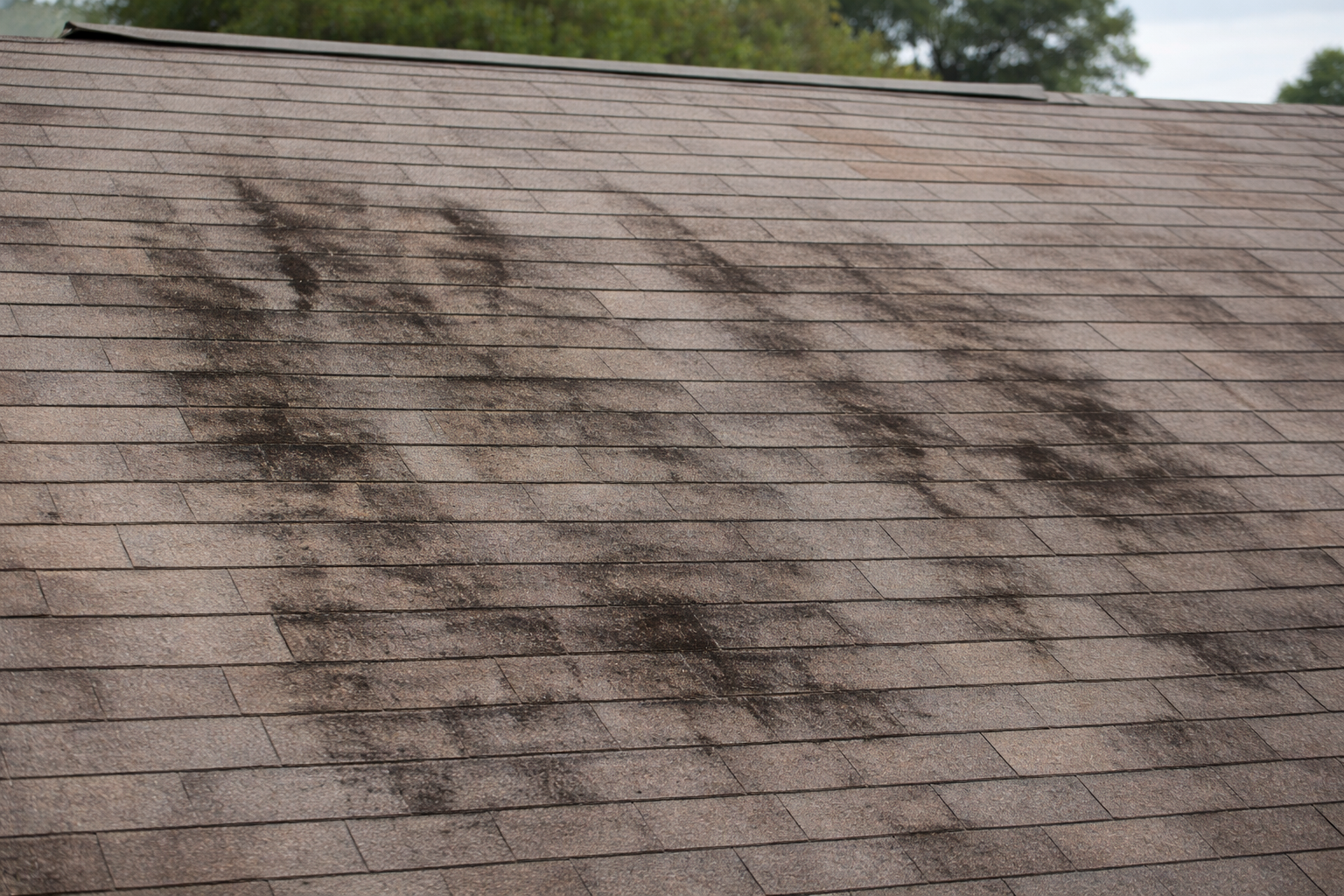
Algae and moss don’t just look bad, left alone, they can hold moisture and accelerate shingle wear in humid coastal conditions. Read more in our article: Roof Cleaning If granules show up everywhere plus you’re seeing bare patches or brittle shingle edges, upgrade that to “inspect soon.”
Roof rejuvenation vs replacement: Rejuvenation vs Repair vs Replacement

On many architectural shingle roofs, there’s a real treatment window around years 10 to 12 where rejuvenation can buy roughly 5 to 8 more years. Miss that window and the same spend tends to chase problems it can’t solve.
Once you’ve ruled out “call right away” issues, pick the next step based on whether your roof still functions as a system or you’re just seeing early aging. Rejuvenation fits best in the early-to-mid aging window (often around year 10–12 for architectural shingles) when shingles look tired but you don’t have active leaks, soft decking, or widespread shingle failure. Let’s not wait until it’s a full-blown mess. If you wait until you’re already missing shingles, seeing bare spots everywhere, or finding moisture evidence in the attic, rejuvenation usually turns into wasted spend, like painting over swollen trim after a soak.
Choose repair when the problem is isolated (a small flashing issue, a limited patch of wind damage, a few slipped or cracked shingles). Choose replacement when the symptoms stack: recurring leaks, broad granule loss with brittle or curling shingles, or any sign the decking has been getting wet. One fast reality check when you’re getting options is this: if someone pushes replacement without looking in the attic, you should slow that conversation down. Attic evidence often separates surface wear from hidden moisture problems.
FAQ
Should I Go Into The Attic To Check, And What Am I Looking For?
Yes, if you can do it safely and you have solid flooring and good lighting. You’re looking for active drips, wet or compressed insulation, dark staining on the underside of the roof decking, a new musty “wet wood” smell, or any spot where you can see daylight.
What’s The Fastest Way To Document Storm Damage For Insurance Or An Estimate?
Take timestamped photos from the ground on all four sides, plus close-ups of anything obvious like missing shingles in the yard, bent flashing, or a dented vent cap. Also jot down the storm date/time and what you noticed first, because that timeline helps when you’re explaining why you called promptly and it lines up with how people track NOAA hurricane season updates.
Why Shouldn’t I Climb On The Roof “Just To Take A Look”?
A roof that’s lifted, wet, or structurally compromised can fail under your weight. Coastal wind can turn a simple look into a fall risk. If you need visuals, use ground-level photos, binoculars, or a phone zoom and let the inspection happen with the right equipment.
What’s A Red Flag In A Contractor’s Recommendation?
When a contractor recommends full replacement without checking the attic, pause and ask why (attic evidence can separate surface wear from hidden moisture problems). Attic evidence often separates surface wear from hidden moisture or decking problems, and skipping that step can lead to the wrong call.
I’m Seeing Granules In The Gutters. Is That A “Call Right Away” Problem?
Not by itself, especially on an aging asphalt roof after heavy rain. It becomes higher priority when granule loss looks widespread and you also see curling, cracking, bare patches, or any signs of moisture inside.
Roof not getting any younger? Contact us or call 703-673-6301 to find out where you stand.Any of these warning signs is reason enough to schedule a free roof inspection in Wilmington, and it costs nothing to look.