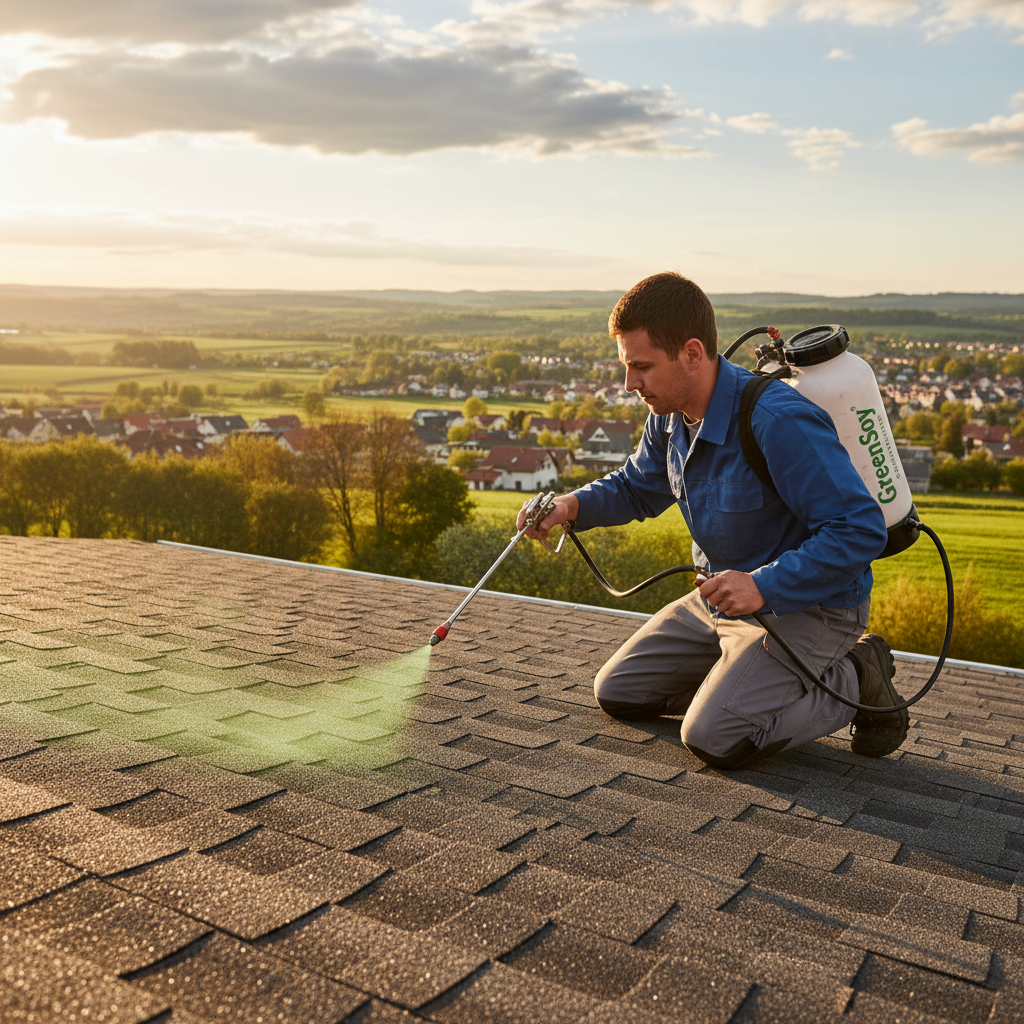
You can rejuvenate a roof that’s already had repairs or patching. It still has to be serviceable and watertight today. Past repairs don’t automatically disqualify you.
What matters is what those repairs say about your roof right now. If you’ve fixed a few shingles or a pipe boot and the roof is tight, rejuvenation may still make sense. If you’ve been chasing the same leak with caulk or repeat patch jobs, you’ll usually need a real corrective repair first, because rejuvenation won’t fix failing flashing or penetrations. In the sections below, you’ll see which repair histories tend to delay treatment and how different patch materials affect eligibility.
Roof Rejuvenation After Repairs: When Repairs Don’t Disqualify Treatment

Yes, roof rejuvenation can still be an option after past repairs or patching. Your roof still has to be serviceable and watertight. The deciding factor isn’t how many times you’ve “fixed something.” It’s whether you can kick the tires on a watertight system today.
That means the right sequence is simple: stop the drip first. Then treat the shingles so the roof stops acting like a leaky bucket. If you’re using patches to chase the same leak over and over, stop treating that history as normal maintenance, because it usually signals an unresolved defect that needs a real fix before any life-extension treatment makes sense.
Repairs That Usually Block or Delay Treatment
If you keep paying for “one more seal” and the stain keeps coming back, you can burn through a lot of money without ever making the roof truly tight.
The issue isn’t that repairs happened; it’s that rejuvenation can’t address active leaks or defects that were never corrected. When the repair trail points to a roof that still isn’t watertight, treatment needs to wait. A leak that survives repeated patches won’t be cured by a life-extension application. Angi (formerly Angie’s List) reviews won’t change that either.
The most common “pause and fix first” patterns are recurring caulked flashing (chimney, wall, or step flashing) and repeated work around penetrations like pipe boots or vents. If your repairs keep moving the leak around instead of ending it, you don’t have a maintenance problem; you have a defect to diagnose and repair before you pay for any whole-roof treatment.
Recurring leaks around chimneys, vents, and pipe boots are often traced back to flashing or penetration details that need a true corrective repair before any treatment makes sense. Read more in our article: Roof Leaks Chimneys Vents
What Your Patch Materials Mean

A homeowner swaps a few shingles and everything blends in. Next door, a couple tar blobs around a vent turn a simple evaluation into a messy debate about what will and won’t accept treatment.
When it comes to treatment, repairs vary widely, and eligibility usually hinges on what’s on the shingle surface today. Mixing patch types can open a can of worms. Clean shingle replacements (a few swapped shingles or a properly replaced pipe boot) usually don’t change eligibility much, because you still have normal shingle surfaces.
What often complicates things is surface patch material: roof cement/tar blobs or lots of caulked-down tabs. Those areas can create uneven surfaces and sealed-over failure points, so you may get inconsistent results or be asked to redo the repair properly before any treatment. Ridge/hip patching matters too: repeated ridge-cap “glue jobs” are a bandage, not a fix.
A Decision Filter for Your Roof
Some isolated roof problems can be repaired for around $500, while many restoration approaches draw a hard line once roughly 30% of shingles show advanced cracking or curling.
If your roof has a repair history, don’t decide by counting patches. That approach is backwards. Decide based on what’s true today: watertight status and wear pattern. Consumer Reports-style checklist thinking beats guesswork here.
| Path | When it fits | What to do next |
|---|---|---|
| Repair-only | Issue is isolated (a small flashing detail, a few shingles, one boot) and the rest of the roof still looks stable. | Fix the actual defect; in many cases this can cost less than a whole-roof treatment. |
| Repair-then-rejuvenate | Roof is currently watertight after targeted fixes and most shingles still have decent structure, with deterioration clearly limited rather than everywhere. | Complete the targeted fixes first, then apply a rejuvenation treatment once the roof is truly tight. |
| Plan replacement | Problems are widespread: large areas of cracking/curling, major granule loss, soft decking, or roughly more than 30% of shingles showing advanced deterioration. | Plan for replacement rather than a life-extension treatment. |
A simple pass/fail inspection checklist (photos, notes, and a consistent evaluation method) makes it much easier to compare bids and avoid sales-only roof visits. Read more in our article: Typical Roof Inspection
What to expect from a roof rejuvenation inspection
You want a clear yes or no call backed by photos and notes, not a quick glance and a sales pitch that leaves you guessing what happens after the first rain.
A legit rejuvenation inspection won’t just glance at your roof and sell you a spray. It won’t be done and dusted in five minutes. Expect about 30–45 minutes on the roof (plus photos and notes) to confirm the roof is currently watertight and that the shingles still have enough life left to treat, essentially a free roof inspection Wilmington NC homeowners can compare against a sales-only visit.
-
Yes
-
No
-
Conditional pending repairs (complete a small fix first, then treat once the roof is truly tight)
Before agreeing to treatment, get specific about what the warranty covers. A warranty without leak coverage is flashing with a fresh coat of paint. Many treatment warranties focus on shingle performance, but they often exclude leak causes like flashing failures or ventilation issues, which means your repair history matters most in how it affects today’s risk, not as a checkbox.
Many roof treatments don’t “fix” cracked or curling shingles, so knowing whether wear is normal aging or true damage is a key eligibility step. Read more in our article: Normal Shingle Wear Vs Damage
Roof not getting any younger? Contact us or call 703-673-6301 to find out where you stand.The fix is often simpler than it looks. Our bio-based roof rejuvenation in Wilmington starts with a free inspection and a written report.