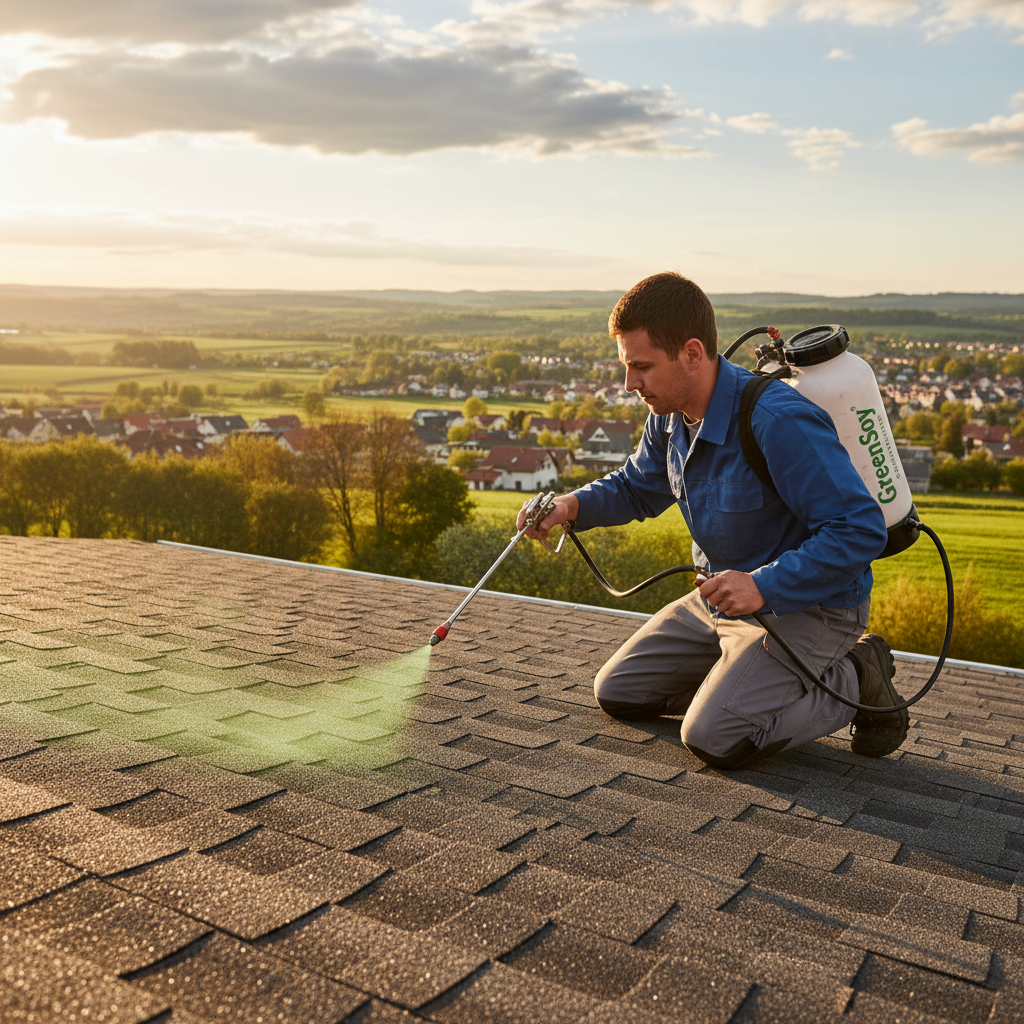
You’re probably trying to plan around one simple number: how long will it last. In Wrightsville Sound, most roof rejuvenation applications are marketed at about a five-year duration. That “lasts” usually means shingle flexibility, not a leak-free guarantee.
If you live this close to the water, you already know the coast doesn’t play by inland rules. Salt-laced humidity and wind-driven rain can force you to reassess sooner, even when the shingles themselves still look serviceable. This guide helps you translate the five-year claim into something you can budget and schedule around, so you can read the warranty the right way and understand what coastal exposure does to an asphalt roof’s real service life. It also helps you decide if “that’ll buy me a few more years” fits your roof or if you should pivot to repairs or replacement planning using a tide chart, not a sales pitch.
The Realistic Coastal Lifespan Answer
In a salty, humid coastal pocket like Wrightsville Sound, plan on about 5 years per roof rejuvenation application under the way most programs warranty it for a roof rejuvenation coastal climate (as commonly stated by roof rejuvenation providers). That “lasts” usually means maintaining shingle flexibility, not guaranteeing you won’t develop leaks from flashing or storm-driven water.
Step back from the treatment and the bigger number is the roof: near the ocean, many asphalt-shingle systems end up around 15–20 years, while similar shingles may reach 25+ years inland. If you’re using the shingle’s label life as your baseline, you’re starting from the wrong number. That’s like trusting Consumer Reports and ignoring the salt.
| Item | Wrightsville Sound expectation | What it usually means | What it does not mean |
|---|---|---|---|
| Rejuvenation duration (per application) | About 5 years | Shingles retain flexibility longer | Leak-free roof guarantee |
| Re-treatment planning | About 5–7 years after first application (if roof still qualifies) | Periodic maintenance cycle for roof rejuvenation frequency | One-and-done fix |
| Typical asphalt roof service life (overall) | Often ~15–20 years near ocean | Coastal exposure shortens real-life lifespan | Matching the shingle’s “label life” |
| Inland comparison baseline | Often 25+ years inland | Less salt, humidity, and storm stress | A reliable predictor for coastal ROI |
What “Lasts” Means in Warranties

A homeowner hears “five-year warranty” and stops thinking about the roof until the first ceiling stain shows up after a nor’easter, asking can roof rejuvenation stop leaks. The catch is that the paperwork is usually protecting a very specific part of the roof’s performance, not the outcome you care about most.
When a rejuvenation provider says the treatment “lasts 5 years,” they’re usually talking about the treated shingles retaining flexibility and resisting some forms of age-related drying, because that’s what many warranties are written around (as noted by the National Roof Certification and Inspection Association). It isn’t the same as a five-year leak pledge, especially in Wrightsville Sound where salt air and wind-driven rain stress the entire roof system, not only the shingle mat.
To illustrate this, you can have shingles that still bend without cracking while a leak shows up anyway because the failure point isn’t the shingle surface. A vent boot can split, or a pipe flashing can lift and start admitting water after a storm. Treat it like leak insurance and it will disappoint, even when the provider met the warranty’s narrow definition of “performance.”
Before you sign, let’s see what we’re working with. The fine print can be a fog bank. Ask the provider to point to where the paperwork covers (or excludes) things like active leaks or storm-related water intrusion, and get clear on what triggers a “warranty visit” versus a separate repair bill. A simple way to keep yourself honest is to ask: “If I see a ceiling stain next month, what exactly happens next, and what part of that is covered?”
Why Wrightsville Sound Is Harder

Most coastal North Carolina guidance puts near-ocean asphalt-shingle roof life at 15–20 years, versus 25+ years inland for similar products (see a coastal North Carolina overview from M.Ocean Contracting). That difference is the background math behind why “five years” can feel shorter here.
Wrightsville Sound roofs live in a harsher loop than inland roofs: wind-driven salt mist sticks to granules and metal, and humidity keeps the roof damp longer. That moisture feeds algae and staining that can hold even more water on the surface from salt air roof damage. Then a tropical system or a week of hard onshore rain can force water where it normally wouldn’t go and expose weak spots fast. If you’re expecting a clean, calendar-perfect “five years” just because a brochure says so, you’re kidding yourself, no matter what Nextdoor swears worked for somebody.
Salt and humidity can accelerate granule loss, algae growth, and corrosion at fasteners and flashing even when shingles still look “okay” from the ground. Read more in our article: Salt Air Humidity Shingles
Roof Rejuvenation vs Replacement: When It’s the Right Bet
If you time it right, you buy yourself breathing room without throwing good money at a roof that is already on the downhill slide. The goal is a controlled extension, not a last-minute rescue.
Rejuvenation is usually a good bet when your roof is mid-life for the coast and still doing its job: think roughly 8–15 years old in Wrightsville Sound terms, with shingles that look drying or dull but not failing system-wide for asphalt shingle rejuvenation. You’re trying to slow down age-driven brittleness, not rescue a roof that’s already letting water in.
Skip it and pivot to repair or replacement planning if you have active leaks or widespread granule loss (for example, you’ve had to re-seal the same pipe boot or chimney area twice) because salt air eats everything and the system’s weak spot acts like a loose shackle. If the weak link is the roof system, treating the shingle surface won’t change the outcome.
The decision usually comes down to whether the roof is still structurally sound and watertight, because treatments can’t reverse systemic failures. Read more in our article: Roof Rejuvenation Vs Replacement
When to skip and replace

Ignore the warning signs and you can end up paying twice: once for a treatment that cannot stop water entry, and again for the repairs that follow the next big rain. In coastal conditions, failures tend to get expensive fast once the system starts slipping.
If your roof has crossed from “aging” into “failing,” rejuvenation becomes expensive wishful thinking. Once the roof is letting water in or losing structural integrity in Wrightsville Sound, restoring shingle flexibility won’t change the outcome.
Skip rejuvenation and plan replacement if you see active leaks or recurring stains or soft or sagging decking (not just clogged gutters). At that point, put your money into a roofer’s inspection and a repair quote to stabilize short-term. Get a replacement timeline you can actually count on, not an Angi listing and a prayer.
FAQ
How Long Does Roof Rejuvenation Typically Last Near Wrightsville Sound?
Most programs are built around about 5 years per application, and “lasts” usually refers to shingle flexibility retention, not an all-causes roof-performance guarantee.
Should You Plan to Re-Treat on a Regular Schedule?
Yes. Many providers frame rejuvenation as periodic maintenance, with a common re-treatment window of about 5–7 years after the first application, assuming your roof still qualifies (some providers publish similar guidance, e.g., SoyFuze).
Does Rejuvenation Mean Your Roof Won’t Leak for Five Years?
No. Leaks often start at flashing or vent boots, and many warranties don’t promise leak-free performance even if the shingles stay more pliable.
When Should You Get the Roof Inspected If You’re Considering Rejuvenation?
Get an inspection before you buy so you’re not treating a roof that actually needs repairs or replacement, and re-check after major wind events because one storm can change the equation fast for roof rejuvenation Wilmington NC.
What’s the Biggest Sign You Should Skip Rejuvenation?
If you have active leaks or soft decking, you’re past “extend the life” and into “stop the damage and plan replacement.”
A pre-treatment inspection can catch common leak sources like pipe boots, vents, and chimney flashing before you pay for a service that won’t address them. Read more in our article: Typical Roof Inspection
Roof not getting any younger? Contact us or call 703-673-6301 to find out where you stand.