You’re about to approve a roof soft wash or “rejuvenation,” and you don’t want one decision to kill your warranty later. The frustrating truth is that warranties rarely vanish in one moment, but a method can make it much easier for a manufacturer or installer to deny a future claim.
If you’re in Wilmington or anywhere along the NC coast, that risk feels even higher because roofs age hard here, and black streaks drive homeowners to act. In this guide, you’ll learn how warranty language gets used after a problem shows up and how applied chemicals or treatments can get labeled as an “alteration” even when the process feels gentle. You’ll also see what to ask for in writing so you don’t end up stuck between “it’s not our fault” answers when you need help most.
“Void” vs “denied claim”

When you ask “Will your method void my roof warranty?”, you’re usually picturing an on/off switch. Instead of an on/off switch, it usually becomes a dispute where the fine print decides who gets blamed. Most warranty disputes don’t play out that way. In practice, the fight is usually about whether a specific problem is covered and whether the manufacturer or installer can point to your cleaning or any applied product as the reason to deny that claim.
For example, if you later have granule loss or shingle surface damage, a warranty reviewer may ask what was done post-install and treat power washing or a coating-like treatment as an “alteration” or “modification.” The useful question isn’t “Will I keep my warranty?” It’s “If something goes wrong, will this method give them an easy way to say no?”
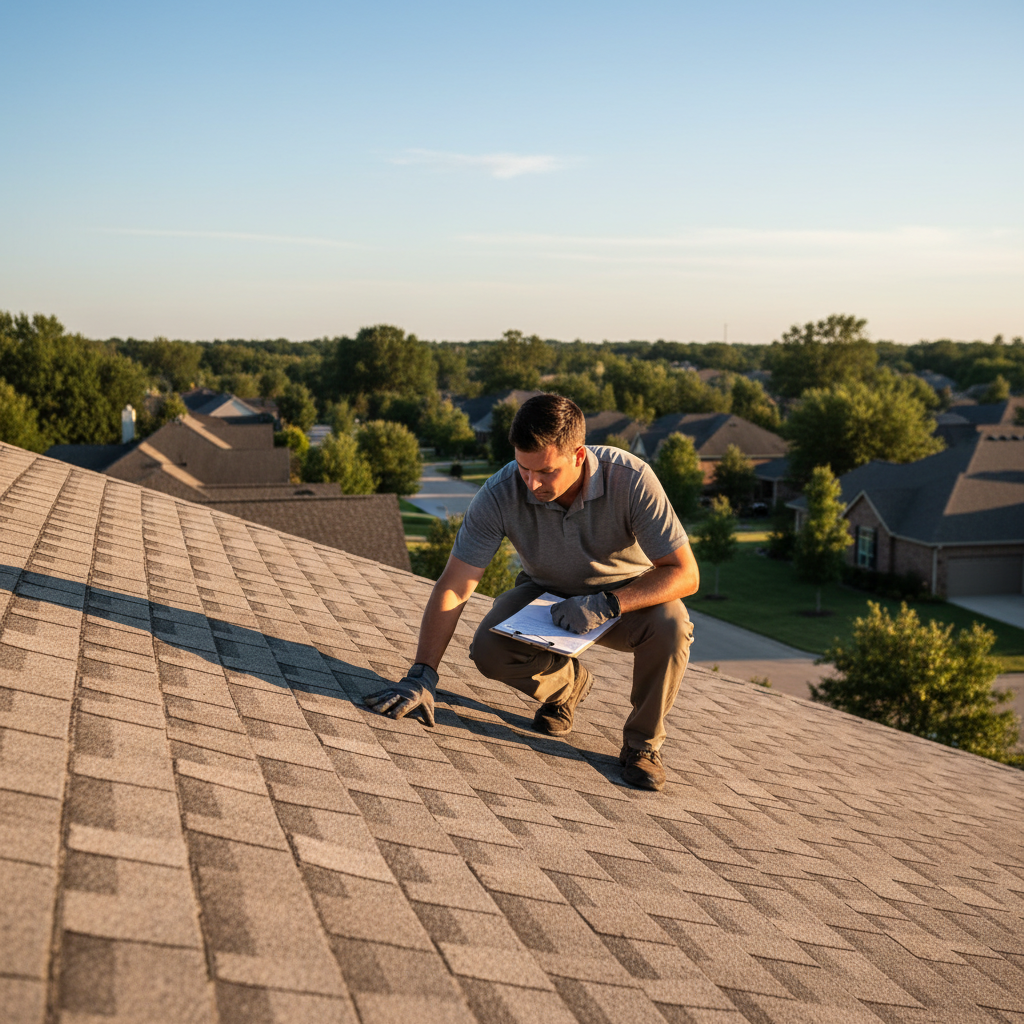
Documenting roof condition with date-stamped photos also helps you distinguish normal aging from damage if a warranty review comes up later. Read more in our article: Normal Shingle Wear Vs Damage
What Warranty Text Targets
You can do everything “right” and still end up in the one conversation that matters: a reviewer looking for a clause that lets them pin the damage on you.
Warranty language usually doesn’t read like homeowner maintenance advice, more like asphalt shingle warranty exclusions. It reads like a filter for blame, and that is not an accident. If a problem could plausibly come from installation choices or something you did later, the document gives the manufacturer a path to deny that specific claim, no matter what the BBB rating looked like.
| Warranty trigger (common clause theme) | What it targets | Examples mentioned | Why it can support a denied claim |
|---|---|---|---|
| Improper installation or non-approved components | Whether the roof was installed strictly to published instructions | Manufacturer instructions; non-approved components (GAF warranty language cited as a common example) | If install wasn’t to spec, cleaning method usually won’t be the deciding factor |
| Physical damage to the shingle surface | Post-install actions that can be treated as an “alteration” due to surface damage | Power washing; abrasive brushing; stripped granules or lifted edges | Creates an easy, visible link to later surface damage claims |
| Post-installation “alterations” and applied products | Added solutions/products after installation (not just pressure) | Application of cleaning solutions, coatings, or other modifications (Owens Corning Platinum Protection Limited Warranty legal text cited) | Rejuvenation or applied treatments can draw scrutiny as a modification even if low-pressure |
Soft Wash vs Rejuvenation Products

“Roof rejuvenation” can sound gentler than washing, yet a later granule-loss claim may hinge on exactly what was applied to the shingles.
A true soft wash is primarily a cleaning method: you use low pressure to apply a diluted solution and rinse without mechanically grinding the shingle surface (which generally aligns with ARMA manual guidance that warns against power washing or brushes/brooms for algae cleaning). That matters because most warranty reviewers focus on whether you physically damaged the mat or stripped granules. As an example, a Wilmington homeowner dealing with algae streaking may have a contractor propose “no pressure” cleaning, and that generally lines up with industry guidance that warns against power washing and aggressive brushing.
Rejuvenation is different because it’s not just removing something, it’s adding something. Even if the application feels gentler than any wash, does roof treatment affect warranty is exactly what some manufacturer language tests by treating the application of cleaning solutions, coatings, or other modifications as a potential post-installation “alteration.” That creates an odd reality: the less abrasive option can still give a manufacturer an easier story if you later file a claim for blistering or granule loss. They don’t have to prove the product caused the issue beyond doubt, they just need a plausible link.
Before you approve a “rejuvenation,” make the decision on paper, not vibes. Put it in writing. Ask for the exact product category (cleaner vs treatment) and a written statement that their method won’t void coverage, because you don’t want your warranty to turn into a game of telephone. If they offer a warranty-backstop promise that they’ll repair or replace if their process triggers a denial, you’re not buying peace of mind, you’re buying clarity about who owns the risk.
Low-pressure roof washing is generally safest when it’s designed to remove biological growth without scrubbing or blasting granules off the shingles. Read more in our article: Safe Roof Cleaning
Wilmington realities that change risk

If you plan for how coastal wear and prior repairs look on paper, you’re less likely to get blindsided later by a claim review that treats normal aging like something you caused.
In coastal North Carolina, your roof lives in a harsher, messier environment than most warranty language imagines, roof maintenance coastal North Carolina is simply different. Humidity and shade feed algae fast, and many Wilmington-area asphalt roofs are 10–25+ years old with at least one prior repair or a ridge-cap swap. When a roof already shows mixed-age shingles or brittle tabs, it’s easier for an adjuster or manufacturer reviewer to argue that any new cleaning solution or rejuvenation product “contributed” to what you’re claiming, even if the real driver was age and exposure.
Case in point: if you’ve got heavy black streaking and a few hand-sealed repair shingles near a bathroom fan vent, a later complaint like granule loss or curling can turn into a causation debate, not a simple warranty check. If you’ve been thinking “coastal algae is just cosmetic,” you may be missing how fast it becomes a paper trail that shapes what gets blamed.
Salt air, humidity, and intense sun can accelerate shingle aging along the NC coast, which can complicate how “normal wear” is interpreted during a claim review. Read more in our article: Salt Air Humidity Shingles
Protect Your Warranty Before You Approve
The fastest way to lose leverage is to have no record of what was applied and what condition the roof was in beforehand.
Before you sign off on any soft wash or rejuvenation, pull your exact manufacturer warranty PDF (brand + product line) and look for language around “power washing” or “alterations.” Then make the contractor put in writing what they’ll apply (product category and SDS on request) and how they’ll apply it (pressure range and rinse).
Don’t rely on “we’ve never had an issue” as protection. Trust but verify. Take date-stamped photos of every slope and trouble spot (vents and valleys) to document roof maintenance for warranty. That documentation is your leverage. Require a warranty-backstop clause (some contractors spell this out in writing as a warranty-backstop promise that shifts the denial risk to them under stated terms). If their method triggers a manufacturer denial tied to their work (roof warranty claim denied due to maintenance arguments included), they own the repair or replacement under stated terms.
Roof not getting any younger? Contact us or call 703-673-6301 to find out where you stand.The cheapest next step is knowledge: our free roof inspection in Wilmington NC documents what’s actually there.