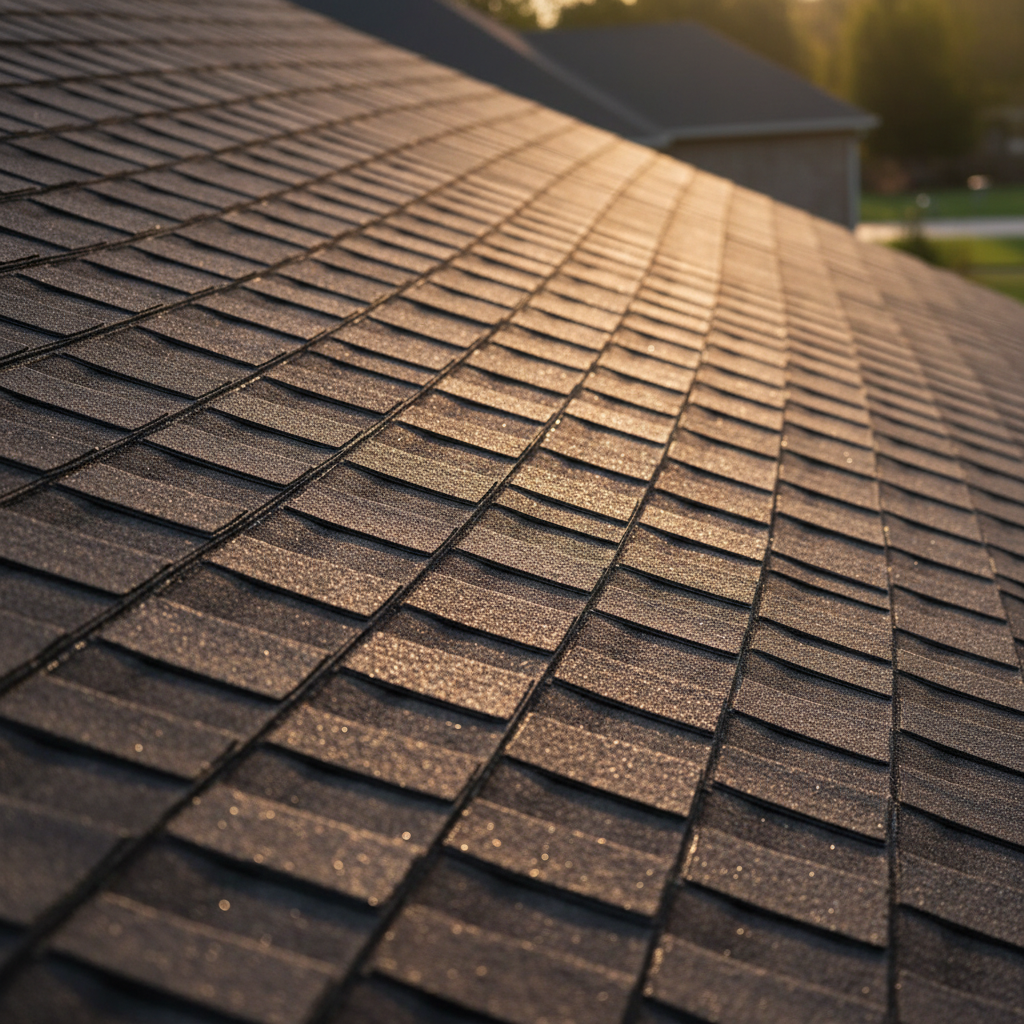
You should expect your shingles to look and feel less brittle within 24–72 hours. That’s the typical window for a rejuvenation treatment to absorb and finish showing its flexibility change.
If you’re checking the roof right after the crew leaves, you’re often judging the wrong thing. You may see a darker, “richer” look quickly, but that’s mostly surface appearance, not proof the shingle tabs have regained give. In Wilmington-area conditions, sun and salt exposure can make one slope dry out and feel stiffer than another at the same time. It’s like comparing two shingles off different pallets, and it doesn’t make sense to judge before a dry stretch at a consistent time of day.
Roof Rejuvenation Curing Time (The 24–72 Hour Window)

You run your fingers along a tab right after the truck pulls away and it still feels stiff, so you assume you paid for nothing. That snap judgment is how people miss the window when the real change is still happening.
Most shingle rejuvenation treatments don’t make your roof feel “less brittle” right away, this roof rejuvenation results timeline isn’t instant (see a typical 24–72 hour expectation in asphalt shingle restoration/rejuvenation treatment guidance). After they pack up and leave, Under normal dry conditions, the product starts absorbing right away, but shingle treatment results how long it takes is typically 24–72 hours as it penetrates and finishes working.
What trips people up is using the wrong yardstick, and it’s a bad way to judge any home product or Consumer Reports-style test. You might see a darker and richer look quickly, but that’s cosmetic. “Less brittle” in real-world terms means the shingle has more give and less snap when it’s lightly flexed. Give it a day or two, and the edges often stop feeling so dry and rigid. If you’re trying to judge it immediately, you’re testing your expectations more than the result.
A practical rule: start checking no sooner than the next day, and treat 72 hours as the first fair checkpoint (especially around Wilmington where sun and heat can make shingles seem harsher from day to day). If it’s been three days of decent weather and you still see very uneven change across large areas, that’s when it makes sense to ask for a follow-up look.
If you want a clearer feel for what “normal” looks like, most homeowners see the biggest flexibility changes between the first and third dry day after application. Read more in our article: Roof Rejuvenation Timeline
What You Can Actually Observe

A neighbor swears their roof was “fixed” because it looked darker by dinner, then panics two days later when one slope still acts dry. The difference is knowing what counts as progress and what is just optics.
Right after treatment, the most obvious change is appearance: shingles can look darker or “richer,” especially in afternoon light, but roof rejuvenation before and after can be misleading at first (some providers note an immediate visual change while deeper performance changes continue over 1–3 days; see roof rejuvenation FAQs). It’s like judging a roof by fresh paint instead of cured sealant. That isn’t evidence the tabs have regained flexibility yet. It’s just the surface reacting, and it can vary by slope or shade.
What’s more meaningful is behavior, not shine. Over the next day or two, you’re looking for tabs that seem less dry-stiff at edges and fewer areas that look “crackly” when a breeze lifts them. If your only test is a quick bend demo, you can talk yourself into a result that won’t match how the roof actually performs in place.
It’s common for a treatment to change the roof’s look before it changes how the tabs feel, especially in strong sun or shade. Read more in our article: Roof Treatment Appearance
Wilmington Weather Can Stretch It
Some providers say initial absorption can start in about 30 minutes, but the flexibility benefits still take roughly 24–72 hours to finish developing (one example notes quick uptake but still recommends scheduling around a conservative no-rain window; see Roof Wonder). In coastal Wilmington conditions, that same timeline can feel less predictable from one slope to the next.
On a Wilmington-area roof, “72 hours” isn’t a lab clock, and treating it that way sets the wrong expectations. This Old House would call it a weather-dependent window. Sun can drive roof-surface temps far above the air temperature, and that heat can change how evenly a treatment absorbs or how the shingles feel when you check them. Coastal wind can dry one slope faster than another, which makes the process more weather-sensitive. Salt and UV have already pushed the asphalt toward dryness, so you can end up with a roof that looks improved quickly but still feels inconsistent for a couple days (coastal homeowner guidance often flags salt + UV as accelerants for shingle aging/brittleness; see coastal NC homeowners handbook).
For a fair read, check after a dry stretch and at a consistent time of day (early morning and late afternoon can behave like different roofs). And don’t let a breezy, sun-baked afternoon convince you the treatment “didn’t work” just because the tabs feel stiff in that moment.
Coastal sun, wind, and salt air can speed up drying and make one slope age and respond differently than another. Read more in our article: Salt Air Humidity Shingles
A Simple 3-Day Check Plan
You do not need a ladder or a “bend test” to get a reliable read. A few consistent photos and notes can tell you more than a one-minute roof walk ever will.
| Timepoint | Stay off roof? | What to do | What to look for / record |
|---|---|---|---|
| Day 0 (same day) | Yes | Do a ground check instead. | Note any obvious missed strips and heavy runoff lines at gutters. |
| Day 1 | Yes | Take a clear photo set from the same spots (front, back, each gable). | Write down weather (sun or wind). |
| Day 2–3 (up to 72 dry hours) | , | Re-photo at the same time of day. | Look for evenness, not shine. “Good enough for government work” isn’t the goal, and shine is just the frosting. If large areas still look patchy or unchanged after 72 dry hours, send your photos and notes to your contractor for a follow-up. |
When to call for a follow-up

One homeowner waits a week hoping it evens out, then finally mentions the gutter spotting and gets told it should have been flagged on day two. The sooner you document it, the easier it is to fix without guesswork.
If you’re past the first 72 dry hours and you’re still dealing with brittle shingles after treatment, stop (many warranties in this category focus on ongoing “flexibility/serviceable condition” over time rather than same-day cosmetic perfection; see the Roof Maxx warranty). Don’t let it nickel-and-dime you into denial. A normal treatment can look uneven at first. Nextdoor neighborhood groups may argue about it, but it shouldn’t leave you with obvious “missed” areas or new problems that make you wonder if the roof got worse.
Call for a follow-up if you notice any of these
-
Large, consistent sections still look and behave unchanged after 72 hours of decent weather.
-
Oily runoff or spotting at gutters/downspouts beyond the first day.
-
Strong lingering odor that doesn’t fade after a couple days.
-
Cracking or broken tabs, or heavy shingle granule loss after treatment when shingles lift in wind, which points to wear a rejuvenation can’t undo.
-
Active leaks or wet staining inside, especially near flashing or vents.
When in doubt, our free Wilmington roof inspection costs nothing and settles the question.