You’re seeing green patches or dark streaks on your shingles and wondering if it’s a real problem or just ugly. It’s sometimes cosmetic, but moss becomes a problem when it holds moisture and debris long enough to change how your roof sheds water.
That’s why you can live for years with a mossy-looking roof and never see a ceiling stain. It can feel good enough for now, yet you still lose shingle life at seams and edges where drying matters most. In this guide, you’ll learn how to tell moss from algae or lichen, how to spot the signs that it’s time to act (like raised patches and slow-drying areas), and how to decide between cleaning and treating or replacement without turning a maintenance issue into shingle damage.
When Moss Is a Real Roof Problem
You ignore the green patch because nothing is leaking, then the first real wind driven rain finds the one edge that stays damp and half unsealed. By the time you notice, the fix is no longer just cosmetic.
Moss stops being “just ugly” when it changes how the roof sheds water. Industry guidance is blunt here: moss can damage asphalt shingles by holding debris and keeping areas wet (see ARMA’s Residential Asphalt Roofing Manual). It matters most at seams and edges, where trapped moisture lets water work underneath.
| What you see | Why it matters |
|---|---|
| Thick, raised patches that look spongey or mounded, especially if they bridge over shingle edges or sit in the keyways | Can hold moisture/debris and interfere with drainage at seams/edges |
| Shingle tabs lifting, curling, or unsealing where the growth is | Increased wind risk and easier for water to work underneath |
| Debris trapped in the moss (pine needles, leaf litter, sand) | Creates mini dams, slows drainage, keeps areas wet |
| Growth concentrated at eaves/valleys where water already moves slowly | Higher-risk zones where hidden deterioration can start before indoor leaks |
If you’re telling yourself “it’s been there for years, so it must be fine,” pressure-test that by checking after a rainy morning: if that area stays damp long after the rest of the slope dries, the moss isn’t cosmetic anymore.
In coastal North Carolina, a soft-wash approach is typically the safest way to remove organic roof growth without stripping granules or breaking shingle seals. Read more in our article: Roof Cleaning
Why Moss Changes Shingle Performance

Even with clear gutters, a stubborn wet strip can keep showing up along the north eave after storms. Months later, the tabs in that area start lifting even though the rest of the roof looks fine.
On asphalt shingles, moss damage is rarely chemical because it doesn’t “eat” the asphalt. The problem is mechanical and moisture-related: moss acts like a sponge that stays wet and keeps shingle surfaces from drying the way they’re designed to (Oregon State University notes moss can lift shingles and increase the chance water reaches underlying materials).
Once that damp, debris-packed layer builds up, it can bridge keyways and wedge itself at shingle butts and edges. That can slightly lift or unseal tabs and slow drainage, which makes it easier for water to work sideways and underneath during wind-driven coastal rain. In practical terms, don’t judge risk by “Do I see a leak?” That’s the wrong test. Use a Consumer Reports mindset and judge whether the roof sheds water cleanly and dries evenly where the growth is.
Moss vs Algae vs Lichen
You can save yourself a lot of money and roof wear by treating the right problem the first time. The look from the driveway is often misleading, and the wrong diagnosis leads to the wrong fix.
A lot of “moss” calls are really something else, algae vs moss on roof, and that changes what you should do next (Owens Corning highlights how dark streaks are often algae discoloration). Algae usually shows up as flat dark streaks or shading that doesn’t have thickness to it. It can look ugly, but it typically doesn’t create the spongy layer that makes water linger.
Moss is green and visibly raised, like a thin pad that can bridge across keyways and sit on shingle edges. Lichen tends to look like crusty, pale green or gray spots that feel stuck on rather than fluffy. No visible thickness from the ground usually points to algae staining, not growth that changes drainage. Don’t kick the can down the road by buying a “moss emergency” based on streaks alone; the real test is whether valleys and eaves are acting like a clogged gutter line.
Black streaks that look like moss from the street are often algae staining, which usually needs a different treatment than thick green growth. Read more in our article: Roof Algae Black Streaks
Choosing Clean, Treat, Rejuvenate, or Replace

Some contractor guidance estimates that algae or moss moisture retention can shorten a roof’s life by up to about 10 years. That is why the decision is less about appearance and more about timing the least destructive next step.
Start with two inputs: your roof’s age/condition and whether the growth is changing drainage or lifting tabs. When shingles lie flat and the moss is thin or patchy, soft-wash clean + treat is usually the right lane. I’m opinionated about this: skip the hard-sell scraping and do it gently, even if you grabbed supplies at Home Depot or Lowe’s.
If the roof is mid-life and you’re seeing brittleness, noticeable granule loss, or widespread weathering but the deck feels solid and the shingles aren’t failing in multiple areas, rejuvenation can be the least-disruptive way to buy time. Do it only after you address the moss so you’re not sealing in a damp layer. If the roof is near the end of its expected life (or you see tab lifting/unsealing or soft spots/active leaks), skip “one more cleaning” and move to replace. If you wait for a ceiling stain, shingle wear often becomes decking and trim damage.
If you’re weighing rejuvenation versus a new roof, the biggest money-saving wins usually come from matching the option to the roof’s remaining service life and current shingle condition. Read more in our article: Roof Rejuvenation Vs Replacement
Quick FAQ: moss on asphalt shingle roofs
Should You Remove Moss Right Away, or Can It Wait?
If it’s thin and your shingles lie flat, you can usually schedule it, but don’t ignore thick, raised patches or growth at eaves and valleys. Time it for a stretch of dry weather so the roof can dry quickly after cleaning and treatment.
Is Pressure Washing an Asphalt Shingle Roof Ever a Good Idea?
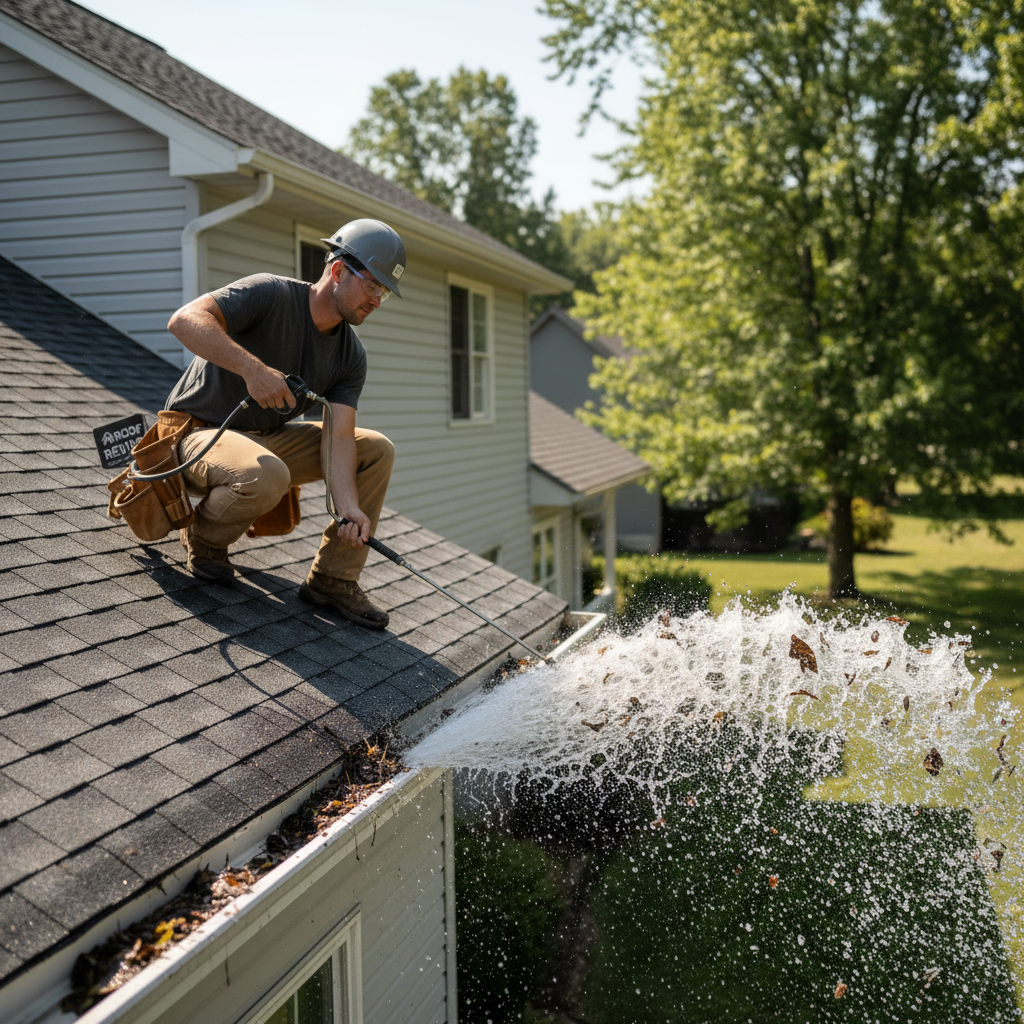
Usually no, because the force can strip granules and break tab seals, no pressure roof cleaning is the safer standard (ARMA-style guidance commonly warns against high-pressure washing on asphalt shingles). That turns a simple cleanup into a money pit, like taking sandpaper to your shingles. If someone insists it’s “fine,” ask exactly how they’ll control pressure and keep from scouring the shingle surface.
Can Moss Lead to Warranty or Insurance Headaches?
It can, because many policies and warranties treat biological growth and related deterioration as maintenance rather than sudden damage. If your insurer or manufacturer questions a claim, heavy moss can make it easier for them to argue “neglect.” My strong view is this: take photos and keep notes the same way you’d share receipts and proof on Nextdoor.
What Actually Prevents Moss From Coming Back?
You win by changing the conditions: reduce shade and roof debris, and keep water moving off the roof. In practice, that often means trimming overhanging limbs and keeping gutters flowing.
Roof not getting any younger? Contact us or call 703-673-6301 to find out where you stand.If it keeps coming back, our roof algae treatment in Wilmington treats the cause, not the symptom.