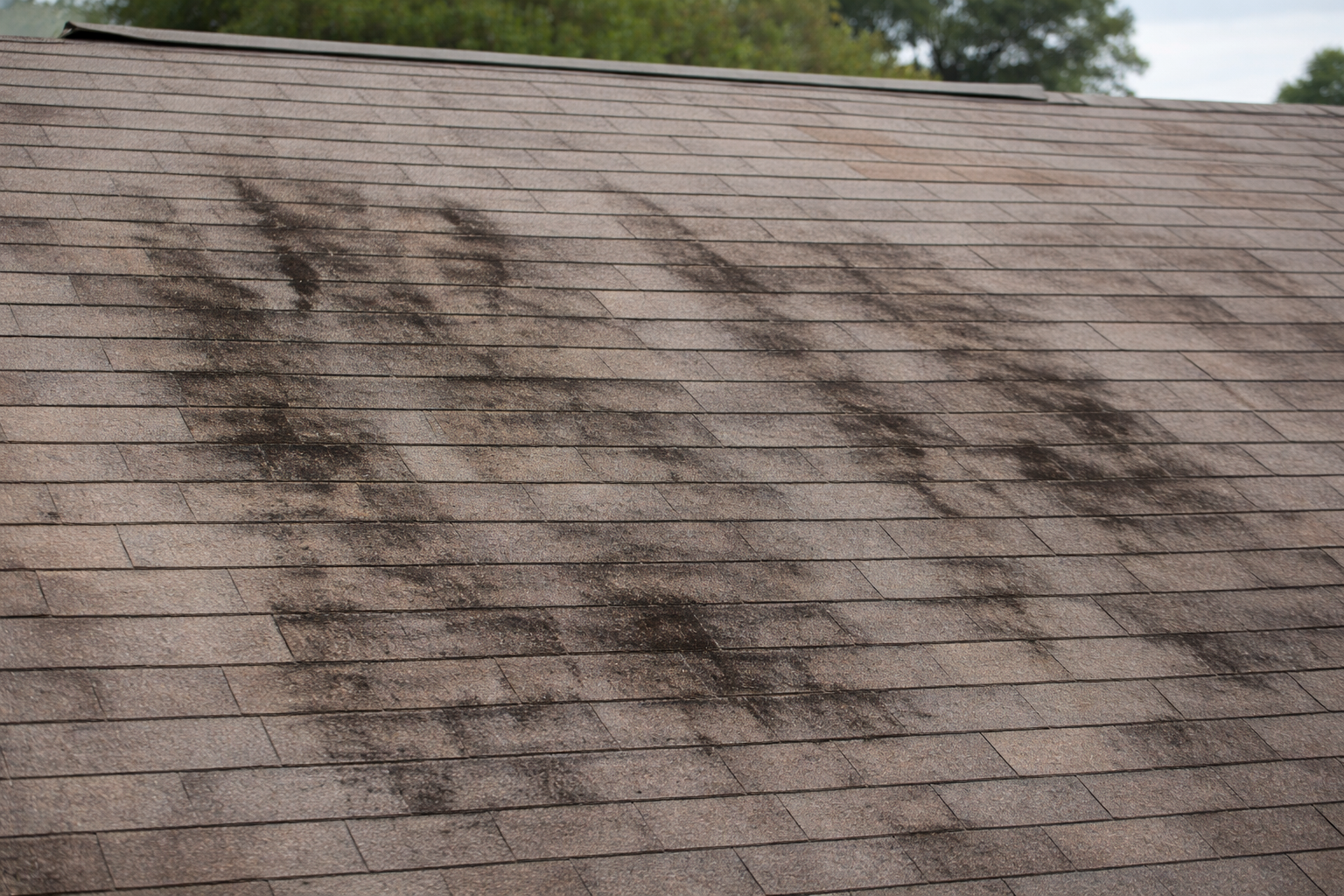
If your roof isn’t leaking and it’s still structurally sound, rejuvenation can be a real alternative. It’s a way to buy a defined amount of time by slowing shingle aging. If you’ve got recurring leaks or exposed fiberglass, it’s usually just a temporary patch.
The hard part is that “aging” can look scary even when the roof still performs. Some contractors blur the line between life-extension and leak repair. In coastal North Carolina, that line matters more because wind-driven rain finds weak details quickly. Use it to separate cosmetic wear from functional failure. It also makes it clear whether you’re buying time or just postponing replacement.
Roof Rejuvenation vs Replacement: The Decision You’re Really Making

You’re not choosing between “rejuvenation” and “replacement” as equal products, and I’ll say it plainly: treating them like equals is a rookie mistake. The real choice is time on a roof that still works versus a full replacement that resets the system risk. It’s like deciding whether to nurse a seawall through one more storm season or rebuild it before the next tide. If you only need a few more hurricane seasons before a remodel, a move, or a solar decision, life-extension can be rational. If you need worry-free performance for the next decade, a partial measure can become the expensive path.
Stop letting roof age make the decision for you. Kick the tires on the actual condition. Ask: How many years do you need, and what’s the financial hit if you’re wrong and a leak shows up during a Wilmington-style wind-driven rain?
Most “rejuvenation vs replacement” decisions come down to whether you’re buying a defined window of lower risk or resetting the entire roof system with new materials and new flashing details. Read more in our article: Roof Restoration Vs Replacement
What “Roof Rejuvenation” Means
In most asphalt-shingle conversations, “roof rejuvenation” means an oil-based conditioning treatment meant to reintroduce flexibility to shingles that have dried out over time, often marketed as asphalt shingle roof rejuvenation. You’re not “adding new roof.” You’re paying for a product application that targets aging symptoms (brittleness, faster granule loss). The intent is longer tolerance to heat cycling and wind stress. If someone is pitching it as a leak fix, you’re already in the wrong category.
Here’s where homeowners get misled: a lot of pages that rank for “rejuvenation” are actually selling roof coating for shingles. Those are different. They add a film or membrane on top of the roof surface and market closer-to-replacement performance with test language you might recognize (ASTM/UL ratings). Oil-based rejuvenation is life-extension on a still-working shingle; coating/resurfacing is a surface system you’re now relying on.
| Category | What it is | Primary goal | When it fits best |
|---|---|---|---|
| Oil-based rejuvenation | Oil-based conditioning treatment applied to asphalt shingles | Slow wear by improving flexibility / reducing aging symptoms | Roof is still functioning and in good condition (life-extension) |
| Coating/resurfacing | Film or membrane system applied over the roof surface | Create a new protective surface layer | Depends on adhesion, prep, and material compatibility (surface system you rely on) |
What you can do differently: when you get quotes, ask the contractor to state plainly which category they’re selling and what failure would look like (brittle shingles returning vs a coating peeling). If you want a Consumer Reports-style apples-to-apples comparison, this is how you get it. That one question exposes a lot of salesy certainty.
What Evidence Should Change Your Mind

In one commonly cited PRI accelerated-weathering summary, treated 15-year shingles cut granule loss from 1.43g to 0.67g, about a 53% reduction under a 1,500-hour protocol often framed as roughly five years of exposure.
The most credible rejuvenation claims don’t start with “it’ll stop leaks”. They start with measured changes in wear. For example, some vendor-cited PRI accelerated-weathering summaries used real aged shingles and a 1,500-hour protocol (often framed as roughly five years of exposure) and reported lower granule loss on treated shingles than untreated ones. Evidence like that can shift the question from whether it’s real to whether it fits a roof that’s still performing.
What it doesn’t prove is that your roof will ride out another hurricane season without leaking. Lab weathering can’t replicate your specific deck condition or flashing details. So use testing as a filter, then have the contractor connect it to your roof: Which lab ran it, what was measured (granule loss, flexibility), what shingle age was tested, and what roof conditions make the treatment a no-go? If they won’t answer plainly, you aren’t getting evidence. You’re paying for confidence.
When Rejuvenation Is a Real Alternative

A homeowner hears “your roof looks old,” pays for rejuvenation, and then discovers the first real storm still finds the same weak flashing detail. The only version that works is the one where the roof is already doing its job before any treatment touches it.
Rejuvenation is a real alternative when your roof is still functioning as a roof and you’re paying to slow normal aging, not to sink money into a roof that’s already failing. That usually means it’s keeping water out today and details like flashing and penetrations aren’t already marginal. The shingles are weathered, but not breaking down to the point where wind-driven rain can exploit every weak spot.
Using age or “it looks tired” as the trigger usually points to money spent for the wrong reason. In coastal North Carolina, performance matters more than appearance because the penalty for being wrong isn’t just another service call, it’s soaked decking, insulation, and drywall after a sideways storm.
As a quick self-screen, rejuvenation tends to be rational when most of these are true
-
No active leaks or recurring leak history (especially around chimneys, valleys, skylights, and vent boots).
-
Shingles still lie flat and seal: no widespread curling, creasing, lifting tabs, or frequent blow-offs after wind.
-
No exposed fiberglass mat and no broad areas where granule loss has progressed to “bald” shingles.
-
Structure feels sound: you don’t have soft spots when walking the roof, and the deckline doesn’t look wavy from the ground.
If any of those fail, treat rejuvenation like a red flag, not a bargain. After the inspection, ask for a one-sentence verdict on whether it’s life-extension or a rescue attempt, plus the condition that would make them refuse the work.
A real inspection should document whether what you’re seeing is normal aging or damage that changes leak risk, especially at flashing, penetrations, and the shingle seal line. Read more in our article: Typical Roof Inspection
Coastal North Carolina Stressors That Shrink the Window
You can do everything “right” on paper and still end up with a ceiling stain after one night of sideways rain if the roof has even a small weak point. Along the coast, storms do not wait for a convenient failure.
Coastal North Carolina doesn’t just wear shingles down. It can beat them up. It punishes the details that keep a roof watertight. Sun and heat cycles dry a shingle out, but salt-laden wind and wind-driven rain exploit whatever’s already a bit loose. Small details can make or break performance: a lifting tab or a marginal vent boot. That’s why the same rejuvenation pitch can be reasonable inland and a bad bet near Wilmington if your roof is already living on the edge.
Think through the stressors in plain failure terms, not marketing terms. For instance, a roof that looks fine on a calm day can still leak when rain gets driven sideways under lifted shingle edges or when gusts flex brittle tabs and break the seal line. Rejuvenation may help shingles stay more flexible, but it doesn’t re-flash a chimney, re-seat nails, or rebuild the weak points storms target first.
In this climate, you should assume you have less room for error if any of these show up in your inspection photos
-
Wind sensitivity: tabs that don’t re-seal after a warm week, repeated blow-offs, or widespread creasing along the seal line.
-
Salt and fastener fatigue near the coast: rusting exposed nails, corroded metal at vents/flashing, or staining that suggests water is lingering where it shouldn’t.
-
Algae and heavy black streaking: not because it’s ugly, but because it often signals long-term moisture and shade patterns that accelerate wear and make gentle cleaning decisions matter.
Instead, ask your inspector or contractor to rate “storm tolerance,” not just remaining life. Ask them to name the first detail they expect to fail in a wind-driven rain event. If they can’t point to a likely failure point, they’re not evaluating the way coastal weather will.
Salt air and high humidity can accelerate granule loss, corrosion at fasteners and flashings, and seal-strip failures that show up first during wind-driven rain events. Read more in our article: Salt Air Humidity Shingles
Cost, ROI, and the “Buy-Time” Math

If you get this math right, you stop arguing about products and start buying certainty: a defined number of years at a price you can defend. Get it wrong, and the cheap option becomes the one that forces a replacement on someone else’s timeline.
Treat this like a time purchase, not a smaller version of a new roof, and I’m opinionated here: if a bidder won’t spell it out, move on. A typical asphalt replacement often lands around $10k–$15k (sometimes far wider) in roof replacement cost, and resale doesn’t reliably pay you back dollar-for-dollar. Rejuvenation only wins when it buys you a predictable number of years on a roof that’s still functioning. So do the blunt math: (total price) ÷ (credible years gained) and compare it to what you’d spend to “own” a new roof’s remaining life, plus your personal cost of being wrong in a wind-driven rain event. If you’re mainly trying to avoid landfill waste, remember the scale: the U.S. generates over 11 million tons of shingle waste annually. Extending life can be meaningful, but only if you’re not gambling into hidden water damage.
Give every bidder the same target window, then have them price to it and name the condition that would make replacement the safer call.
FAQ
Will Roof Rejuvenation Stop Leaks?
Not reliably. Rejuvenation targets shingle aging (like brittleness and faster wear), but it doesn’t rebuild flashing or fix decking issues, which are common leak sources in wind-driven rain.
How Long Does Roof Rejuvenation Last?
If your roof qualifies and the shingles are still functioning, many homeowners use it as a “buy time” move, often aiming for roughly 5–7 years of added service per treatment. Treat any exact year guarantee as marketing unless the contractor ties it to your roof’s current condition and local storm exposure.
Can You Rejuvenate More Than Once?
Sometimes, but you shouldn’t plan on unlimited repeat treatments like it’s a subscription. If tabs won’t seal or you’ve had recurring leaks, the roof is telling you it needs a reset, not another round.
Will Warranties or Insurance Care That You Rejuvenated?
It depends on your shingle warranty status and your insurer’s rules. Get it in writing before you pay. Ask the contractor what manufacturer warranties remain (if any), whether the treatment affects them, and whether they’ll document roof condition with photos for your records.
What Should a Real Inspection Include Before You Pay for Rejuvenation?
You want more than a “looks OK from the driveway” opinion: the inspection should document shingle seal/adhesion and penetrations and flashing (chimney and valleys). If they won’t tell you what would make them refuse the job, you’re not getting an inspection, you’re getting a sales pitch.
Roof not getting any younger? Contact us or call 703-673-6301 to find out where you stand.