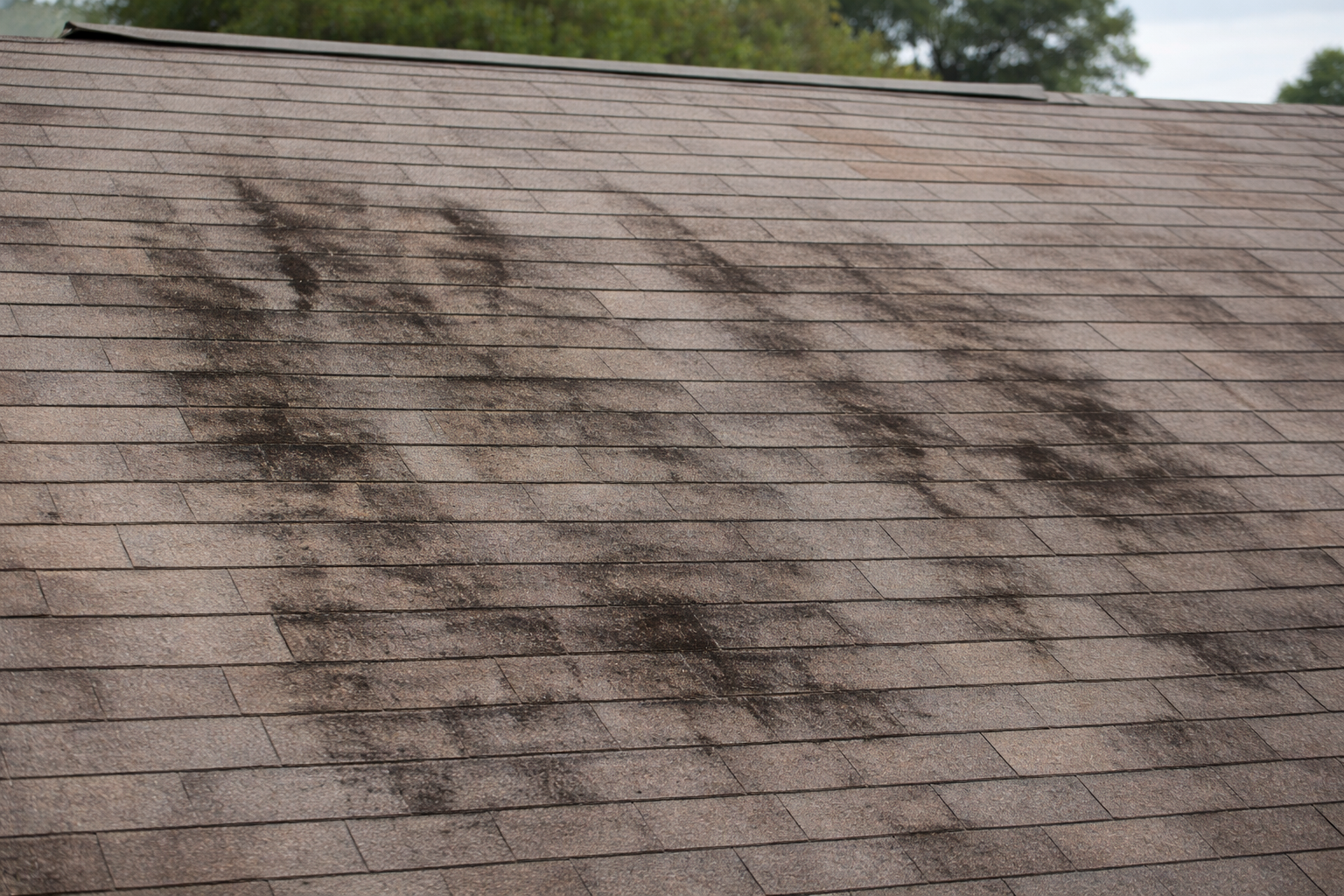
You get a quote that says your roof is “near end of life,” but when you look up, it still seems mostly fine. Then you hear about roof rejuvenation, a spray-on treatment that costs a fraction of replacement, and you wonder if it’s smart maintenance or just a delay tactic.
This guide gives you a clear, non-sales explanation of what rejuvenation is and what a full replacement really changes. Before you compare numbers, confirm the roof is even a viable candidate (see this discussion of when shingle rejuvenation is and isn’t appropriate). If you’re in coastal North Carolina, that “candidate” question gets sharper because wind-driven rain and salt air often decide whether you can buy a few years or you need to reset the whole roof system.
Roof Rejuvenation vs Replacement: The Real Difference

Roof rejuvenation is a spray-on maintenance treatment applied to asphalt shingles that are aging but still basically intact, not a band-aid fix for real damage. It aims to condition the shingle surface so it stays more flexible and resists drying out longer, but it doesn’t rebuild anything, more like asphalt shingle rejuvenation than reconstruction. For example, a 12 to 18-year-old roof that looks “mostly fine” from the yard might qualify if the shingles still have life left and you’re trying to buy time.
A roof replacement is a tear-off and rebuild of the roofing system. It is like rebuilding a seawall, not repainting a fence. You get new shingles plus the components that actually control water, like underlayment and flashing. If you have active leaks or compromised flashing, you can’t spray your way out of that. Replacement changes the structure; rejuvenation only changes what’s already there.
Coastal roofs can age faster because salt air and humidity accelerate shingle drying and surface breakdown. Read more in our article: [Salt Air Humidity Shingles]
The Make-or-Break Question: Is Your Roof a Candidate?
You can make the “cheap” choice and still lose money if it keeps you from fixing the real failure. The only smart comparison starts with whether the roof is aging or already failing, those roof aging signs matter more than the quote.
Start by defining the failure you’re trying to address. Starting with price alone is a mistake, regardless of what the HomeAdvisor / Angi comparison page suggests. Is it dried-out shingles that might benefit from conditioning, or a roof system that’s already letting water in? Skip that check, and you may pay for treatment when the roof really needs a rebuild.
| Condition check | More like a rejuvenation candidate | More like needs replacement |
|---|---|---|
| Leaks & water intrusion | No active leaks | Recurring/active leaks; roof system already letting water in |
| Shingle condition | Shingles lie mostly flat; aging but intact | Missing or torn shingles after coastal wind events; widespread cracking/curling; exposed fiberglass/mat |
| Wear pattern & structure details | Wear looks gradual (e.g. minor granule loss in gutters, not bald spots) | Severe granule loss (bald areas); soft decking spots; compromised flashing/pipe-boot areas |
| If you’re not sure | Get it evaluated before spending money trying to “buy time.” |
In many cases, a quick inspection can confirm whether you’re dealing with normal aging or damage that needs repair before any treatment makes sense. Read more in our article: [Normal Shingle Wear Vs Damage] | Treat uncertainty as a red flag and get it evaluated before spending money trying to “buy time.”
What Rejuvenation Can’t Fix (and Why That Matters)

A Wilmington homeowner treats a roof to avoid a tear-off, and the first big wind-driven rain finds the same old weak spot around a pipe boot. The spray didn’t fail so much as it never had a chance to fix what was broken.
Rejuvenation won’t stop an active leak, and it won’t correct the failure points behind it. Those weak points act like a coffee filter with a tear. You still get drips. They include bad flashing or worn pipe boots. It also won’t undo storm damage, like shingles lifted by coastal winds that now let wind-driven rain track underneath.
If your shingles have severe granule loss (bald areas) or exposed fiberglass/mat, you’re past “conditioning.” Don’t treat a spray as protection against water intrusion. Get a second set of eyes on it if you feel unsure. It doesn’t rebuild the roof system that keeps your house dry.
If you’ve already had recurring drips, treating the surface usually won’t address the underlying water-entry path. Read more in our article: [Roof Rejuvenation Stop Leaks]
Comparing Costs, Disruption, and Waste
Most of the price gap is real: rejuvenation is commonly quoted at roughly 10% to 20% of what a full replacement costs (see this overview of roof rejuvenation pricing). That spread can tempt you to decide with your wallet before you decide with your roof.
Budget-wise, rejuvenation is usually priced far below replacement, often around 10% to 20% of a tear-off. Replacement runs in the many-thousands because you’re rebuilding the whole system, and you should do it right the first time if the system is failing. That doesn’t mean rejuvenation is the “better deal”; it only pencils out if your roof is still fundamentally sound and you’re buying time, not denial.
On disruption, rejuvenation is usually a short appointment with minimal noise and minimal cleanup. Replacement can mean days of crews and dumpsters around your Wilmington yard, the kind of commotion you only book after you’ve checked Google Reviews or Nextdoor neighborhood recommendations. On waste, rejuvenation keeps shingles out of a landfill for longer; replacement generates a large debris load but lets you reset underlayment, flashing, and decking in one shot.
Questions to Ask a Wilmington-Area Contractor
When a contractor can show you clear photos, clear testing, and clear exclusions during a roof inspection Wilmington NC homeowners can verify, you stop guessing and start making a decision you can defend. The right questions turn “trust me” into something you can verify.
Don’t accept reassurance in place of evidence. Don’t let anyone nickel-and-dime you with vague add-ons. A roof can look “fine” from the driveway and still be one nor’easter away from showing you where the weak points are, like a chain that snaps at its rustiest link.
Start with: “Show me photos of the specific issues on my roof, not generic examples”; “Do you see any active leaks, soft decking, or flashing/pipe-boot failures that make treatment a bad fit”; “What lab testing supports your product’s claims, and what exactly was tested (for example, accelerated weathering hours and the measured before/after change)”; “In coastal wind-driven rain and salt air, how many years do you expect to buy, and what would change that”; “What does your warranty cover and exclude, specifically if a leak appears later?” Ask specifically which accelerated-weathering protocol was used (e.g. see a sample 1,500-hour accelerated weathering test document).
Roof not getting any younger? Contact us or call 703-673-6301 to find out where you stand.When the shingles are dry rather than done, our roof rejuvenation in Wilmington NC puts the lost oils back.