If you’re standing at the curb thinking your roof “doesn’t look that bad,” you’re not alone. In coastal North Carolina, a roof can look rough from the street because of algae streaks or uneven shading, even while it’s still shedding water just fine.
Restoration can improve curb appeal, but only if it targets what you’re seeing. In this guide, you’ll learn how to tell cosmetic issues (staining) from true wear (waviness), what kind of street-view change you can expect, and when cleaning or replacement makes more sense than any “rejuvenation” treatment.
What “Street-View Improvement” Really Means
-
Dark black/brown streaks (often algae; Gloeocapsa magma roof)
-
Blotchy color bands
-
Obvious patchwork where a repair does not match the surrounding field When the material itself is failing, it does not pass the eye test. The curb view shows shape problems, not just color: visible waviness or areas that look thinned out and dull because granules are gone. If what bothers you is mainly staining or mismatch, you’re judging cosmetics; if you’re seeing distortion or bald-looking zones, you’re judging wear. That distinction should drive what you ask for and what “improvement” you can realistically expect.
In coastal humidity, those black streaks are usually algae, not a sign the shingles are automatically failing. Read more in our article: Roof Algae Black Streaks
How Much Better Will It Look?

When a roof reads “old” from the street, it can still be doing its job and keeping water out. The right fix can make the whole home look newer, but only when the problem is cosmetic, not physical wear.
If the main issue is algae on roof shingles (the black-brown shading common in Wilmington humidity), you can expect the biggest street-view change: the roof reads lighter and more uniform, often within 24–48 hours as the dead growth weathers off. That said, it’s maintenance, not a permanent makeover, and HGTV-style “instant transformation” expectations aren’t realistic. Many homes see staining return over the next few years.
Moss or lichen can improve, but it’s less like “wipe clean” and more like “gradual reduction,” because thicker growth and the shadow it leaves behind can linger. What won’t change is true wear: fading from granule loss or waviness. Don’t confuse a dark roof with a failing roof, and don’t expect any spray or wash to make missing granules reappear or mismatched repair patches disappear.
How Fast Will You See Results?

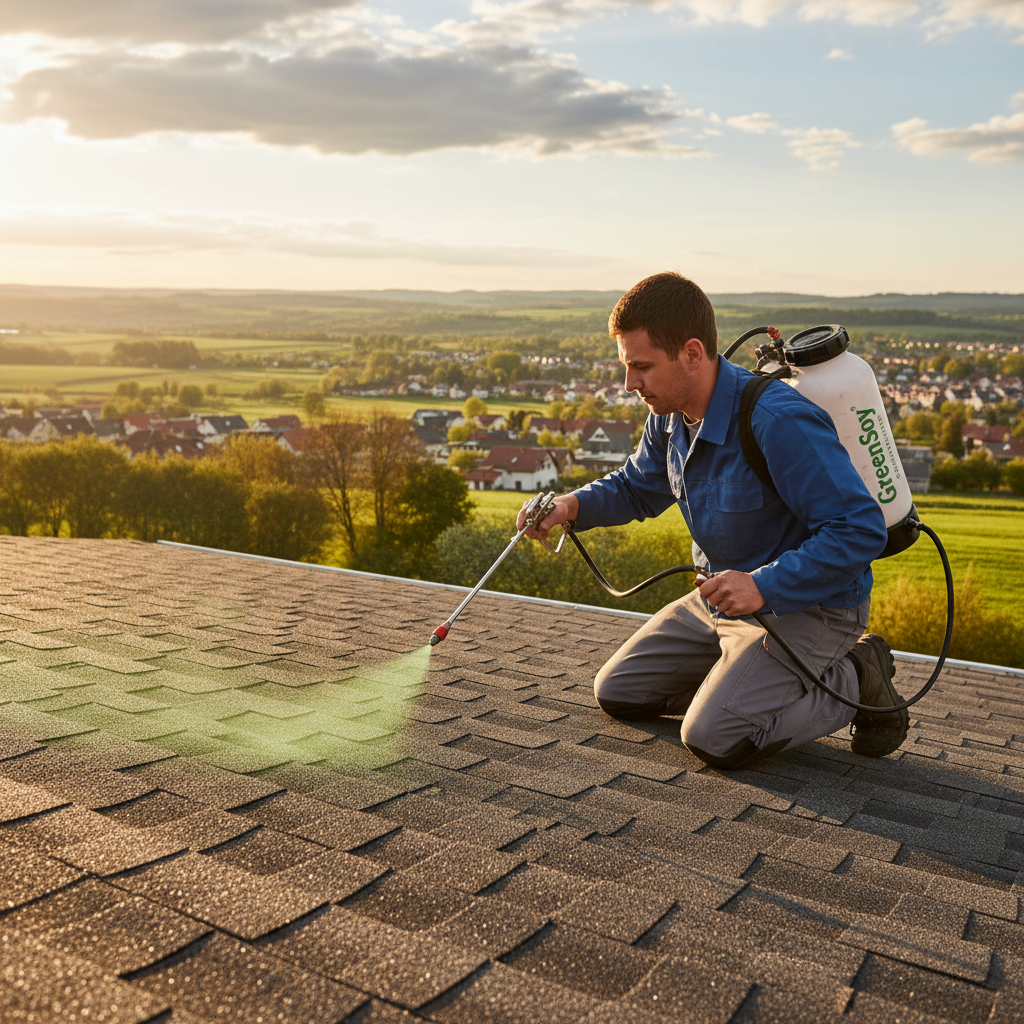
You’ll usually see a difference soon, but not always right away. Right after a soft-wash or similar treatment, the roof often looks only somewhat better, then the street-view change shows up over the next 24–48 hours (roof restoration results timeframe) as the killed algae loosens and weathers off with dew and light rain.
If a few sections still look darker after two days, that doesn’t mean the treatment “didn’t work.” The darkest areas can continue to lighten over the following days. Let’s not open a can of worms after two days. The most stained areas often keep lightening over the next several days like a tea stain fading because of roof discoloration causes like thicker growth or shade (north-facing slopes are common culprits around Wilmington). If curb appeal is your main goal, plan your before/after photos and any HOA or listing deadline for a few days after the service, not the moment the crew packs up.
If you see waviness, curling, or bald-looking areas from the street, that’s typically normal aging or damage rather than something cleaning can reverse. Read more in our article: Normal Shingle Wear Vs Damage
How Long Will the Curb Appeal Last in Coastal NC?
In real-world soft-wash results, that cleaner street view often holds for about 3–5 years (roof treatment lifespan) before discoloration returns, depending on conditions. If you plan for a maintenance cycle instead of a forever fix, the economics and expectations get a lot saner.
Around Wilmington, algae returns in warm, damp conditions, so that cleaner street view fades after about 3–5 years. If you’re hoping for a one-and-done makeover, you’ll likely be disappointed, even if the roof is otherwise healthy. Think Consumer Reports, not miracle-cure marketing.
You’ll keep the uniform look longer on sunny, well-ventilated slopes, and you’ll lose it faster where roofs stay damp: north-facing planes and sections shaded by live oaks/pines. Think of it like exterior house washing: results hold, but coastal biology eventually wins unless you plan for a repeat cycle.
Decide Between Cleaning, Rejuvenation, or Replacement
You pay for a “roof restoration,” and a week later the roof reads more blotchy than before, or you realize the waviness never had anything to do with stains. The fastest way to waste money is to buy a treatment that cannot change what you’re actually noticing from the curb.
If your goal is strictly curb appeal, pick the lightest-touch option (roof cleaning vs restoration). Choose based on the specific street-view issue you’re trying to change. I don’t want to throw good money after bad on a “restoration” when the street-view problem is just algae, or worse, use a coating-style treatment that just masks a leak and end up with a roof that looks patchy.
When the goal is curb appeal with the least risk, a proper soft-wash can remove staining without the shingle damage that high pressure can cause. Read more in our article: Soft Wash Vs Pressure Washing
| Option | Choose this if (street-view signs) | What you’re buying / watch-outs |
|---|---|---|
| Cleaning (soft-wash) | Roof looks structurally flat but has black/brown streaking or uneven shading | You’re buying uniform color, fast |
| Rejuvenation | Shingles still look intact (no bald granule loss) and you’re OK with a process that must be applied evenly | Ask how they control overspray and lap lines to avoid a temporarily blotchy look |
| Replacement | You see waviness or curling edges from the curb | Appearance problems come from wear, not dirt, and no spray will make it read new |