You know your roof is a good candidate for treatment instead of replacement when the shingles are still mechanically sound and lying flat and you’re seeing normal surface aging rather than widespread failure.
If you’re in coastal North Carolina, that answer matters because wind-driven rain and sun can turn a roof from “looks fine” to “unsealing” faster than the calendar suggests. This guide helps you sort your roof into the right bucket before you spend money: the treatment window where there’s still something worth preserving, the non-negotiables where replacement wins, and a quick field test you can use from the ground so your inspection focuses on the gating issues, not just how the shingles photograph.
Your Roof’s “Treatment Window”

A roof can be old-looking and still worth saving, or picture-perfect and already slipping into failure. The trick is catching the moment when you still have structure and surface to preserve.
A roof rejuvenation makes the most sense in a specific window: when your asphalt shingles are aging in normal ways (fading, slight granule loss, some dryness) but the roof system is still mechanically sound. If your roof is already failing in the ways that let water in, treatment won’t “reset” it. You’ll spend money buying time you don’t really have.
In practice, many rejuvenation-focused guides put the sweet spot around 12–18 years old if the roof was installed correctly and you still have most of the protective surface left, often described as roughly 75% of granules intact. In coastal North Carolina, UV and wind-driven rain can shorten that window by breaking down seal strips faster than the calendar suggests.
Before you even compare quotes, kick the tires with this screening lens: a roof that looks a little washed-out can still be a stronger candidate than a roof that “looks fine” but has tabs lifting, like a zipper starting to split one tooth at a time (roof rejuvenation vs. replacement).
Here’s what typically keeps you inside the treatment window
-
Shingles lie flat with no widespread curling, cupping, or cracking.
-
Granule loss is moderate, not to the point where you’re seeing lots of bare mat/fiberglass or piles of granules washing out at every downspout.
-
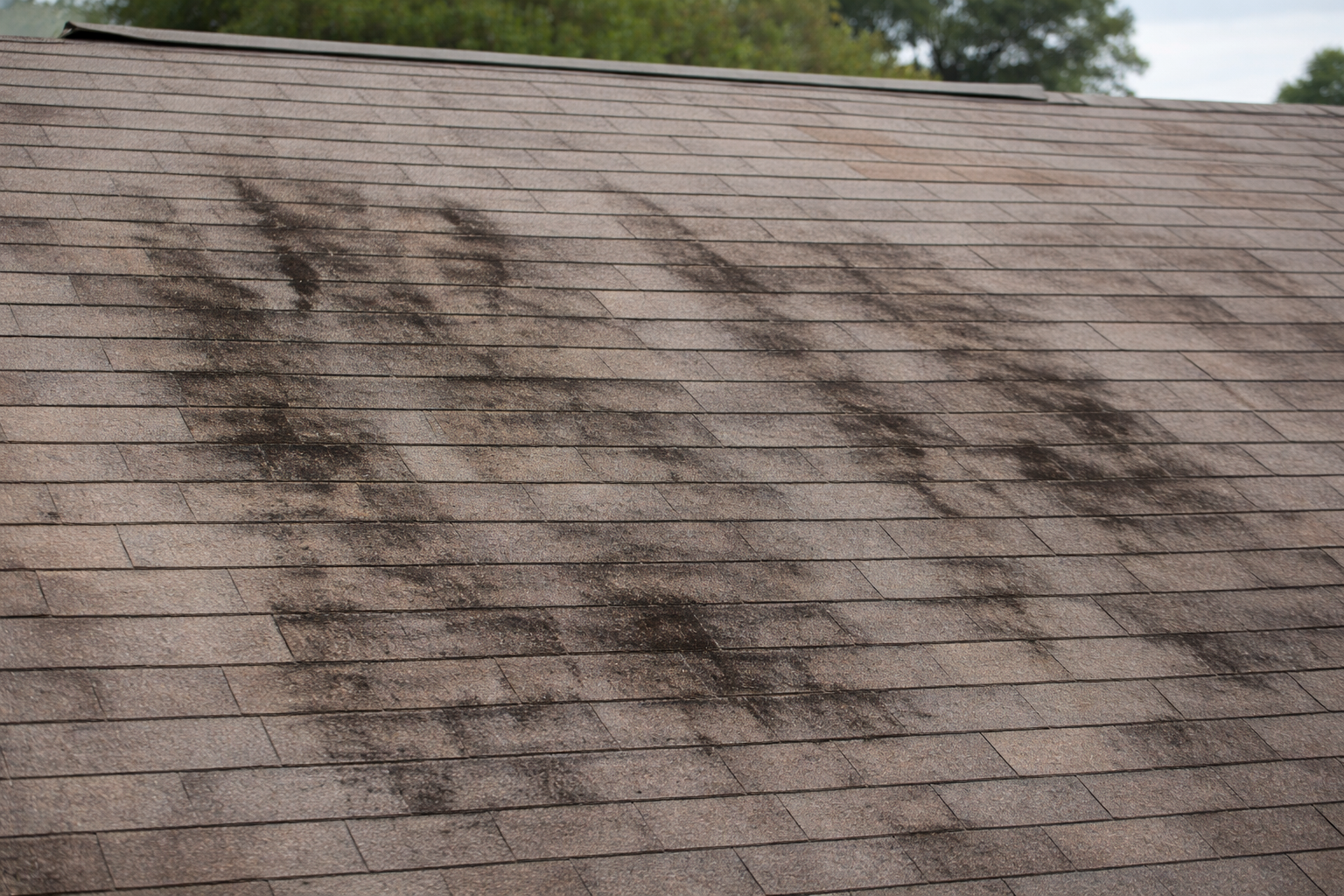
Problems are localized, not extensive (for example, a small patch of algae/mold staining is a different situation than widespread growth plus soft decking).
-
The roof deck feels sound (no sagging lines, soft spots, or widespread nail pops), because surface treatments don’t fix substrate issues.
What you can do differently this week: take clear phone photos of (1) two or three shingle slopes up close and (2) any lifted tabs/corners. Photograph (3) your gutters/downspouts after a rain. Then, when you book an inspection, ask them to state plainly whether they’re seeing surface aging you can preserve or mechanical failure that points to replacement.
A quick way to avoid “false confidence” is to compare what you’re seeing (fading, granules, lifted tabs) against a clear normal-wear vs. damage checklist. Read more in our article: Normal Shingle Wear Vs Damage
Non‑negotiables: When Replacement Wins

If you treat a roof that has crossed the line into mechanical failure, you do not just waste money. You risk turning the next hard rain into damaged drywall, insulation, and framing.
If any of these show up, a roof restoration is no longer a smart “life extension” move because the roof isn’t just aging, it’s failing. You can’t pay for a coating and expect it to compensate for broken shingle mechanics, compromised decking, or water management problems.
Replacement usually wins when you have widespread curling/cupping or repeat leaking tied to flashings (think chimney, wall tie-ins, plumbing boots). In coastal North Carolina, a common red flag is wind-driven rain after a squall finding its way under lifted tabs or into tired flashing details. If the leak comes back after you “patch it up for now,” that is not a maybe.
Leaks around plumbing boots, chimneys, and wall tie-ins often keep coming back when the underlying flashing detail is the real failure point, not the shingles. Read more in our article: Roof Leaks Chimneys Vents It is system weakness, not surface dryness, no matter what a HomeAdvisor / Angi checklist says.
Also treat soft decking or active rot as an immediate stop sign. If you’re hoping to avoid the $8,000–$25,000+ hit of replacement, that’s understandable, but pushing a roof past these failure points often turns a planned expense into emergency interior repairs.
The Field Test: Signs Your Roof Is a Good Candidate for Treatment Instead of Replacement
Rejuvenation guides tend to agree on a narrow sweet spot: roughly 12 to 18 years old with about 75% of granules still intact. Outside that range, the same spend is more likely to buy false confidence than real time.
If you want an honest read on “treat vs. replace,” get a second set of eyes on it and stop judging by color alone, because shingles can look fine while the seal line is peeling open like a bad sunburn. Even a decent-looking roof from the yard can be losing its seal in wind, while a rough-looking one can still have solid shingle mechanics. Your goal is to confirm there’s still something left to preserve.
| Field check | Treatment-leaning sign (good candidate) | Replacement-leaning sign (red flag) |
|---|---|---|
| Shingles lie flat | Tabs sit flat; edges not lifting; no widespread curling/cupping/cracking | Widespread lifting, curling/cupping, cracking, brittle shingles that won’t lie flat |
| Shingle granule loss | Moderate “aged” loss; most protective surface still present (often described as ~75% remaining) | Heavy loss with bare mat/fiberglass showing; repeated heavy piles at downspouts |
| Pattern of problems | Issues are localized; no leak history or a single, explainable event | Repeating leaks (same spot returns after patches or leaks in different spots), suggesting system weakness |
1) Shingles Still Behave Like Shingles (They Lie Flat)
Walk the perimeter and use binoculars or phone zoom. You’re looking for a roof that lays down tight: shingle tabs sit flat, edges aren’t lifting, and you don’t see widespread rippling from curling or cupping. For instance, if you can spot scattered raised corners after a windy week, that’s not “cosmetic,” it’s water entry opportunity in coastal rain.
2) Granule Loss Looks “Aged,” Not “Exposed”
Check gutters and downspout exits after a decent rain. A little grit is normal; repeated heavy piles that look like someone dumped sand points to accelerated wear. Also scan for bare patches where the shingle looks thin or shiny. If most of the protective surface is still there (many guides describe this as roughly three-quarters of granules remaining), treatment has a realistic job to do.
3) Problems Are Isolated, Not a Pattern
A good candidate usually has either no leak history or a very specific, explainable event. Case in point: one wind-driven rain leak around a single boot flashing that hasn’t recurred after a proper flashing repair. What should make you rethink your “maybe I can just treat it” plan is a repeating leak in different spots or the same spot returning after patch jobs, because that’s a system issue a surface treatment won’t solve.
If your roof passes these three checks, book an inspection and ask for plain-language confirmation of two things: that the deck is sound and that tabs are sealing/lying flat on the slopes you can’t see well from the ground.
Coastal North Carolina Edge Cases

A Wilmington homeowner can get through a calm spring thinking the roof is fine, then one squall exposes a few lifted tabs and the first ceiling stain. Coastal weather has a way of testing the seams, not the color.
Along the Wilmington and beach-coastal corridor, the main problem isn’t always “it’s old,” it’s “it unsealed.” Wind-driven rain can work under an edge that still looks neat from the ground. Salt air plus strong sun can dry out sealant strips faster, so tabs lift sooner. Add humidity, and you can end up with a roof that’s technically intact but stays damp longer, which makes algae/mildew more than cosmetic if it coincides with a musty attic or soft decking near vents.
So if you’re trying to treat instead of replace, don’t let a decent-looking slope talk you into a green light. In hurricane season prep mode, being optimistic is the fastest way to get burned. After a squall, check for new lifted corners and any fresh water staining around penetrations, because coastal storms tend to reveal whether your roof is still tight as a system, not just “aged on the surface.”
On coastal roofs, salt air and humidity can speed up seal-strip breakdown and drying, which makes tab lift and hidden moisture issues show up sooner. Read more in our article: Salt Air Humidity Shingles
How to Get a Credible Treatment-vs-Replacement Inspection
Get this part right and you walk away with a roof inspection Wilmington NC decision you can defend, not a sales pitch you are stuck believing. The goal is proof on the items that decide whether treatment is rational.
Book an inspection that’s willing to say “no” to treatment. Otherwise, they will nickel-and-dime you while the roof is still bleeding at the seams. When you schedule, ask them to inspect and document the gating items, not just quote: shingle tabs sealing/lying flat and granule loss severity (flatness and deck condition matter more than how the roof photographs from the yard). As an example, request phone photos or a short walk video of the back slope and around plumbing boots and wall tie-ins.
Before you sign anything, pressure-test the science and warranty: “What exact product/system matches your lab testing, and what do you warrant onsite?” Some lab-report materials also spell out limitations around what testing does (and doesn’t) warrant. If they can’t separate lab results from what they’ll stand behind on your roof, you’re not getting a decision-grade inspection. You are just buying yourself some time.
Roof not getting any younger? Contact us at Contact us or call 910-241-1152 to find out where you stand.