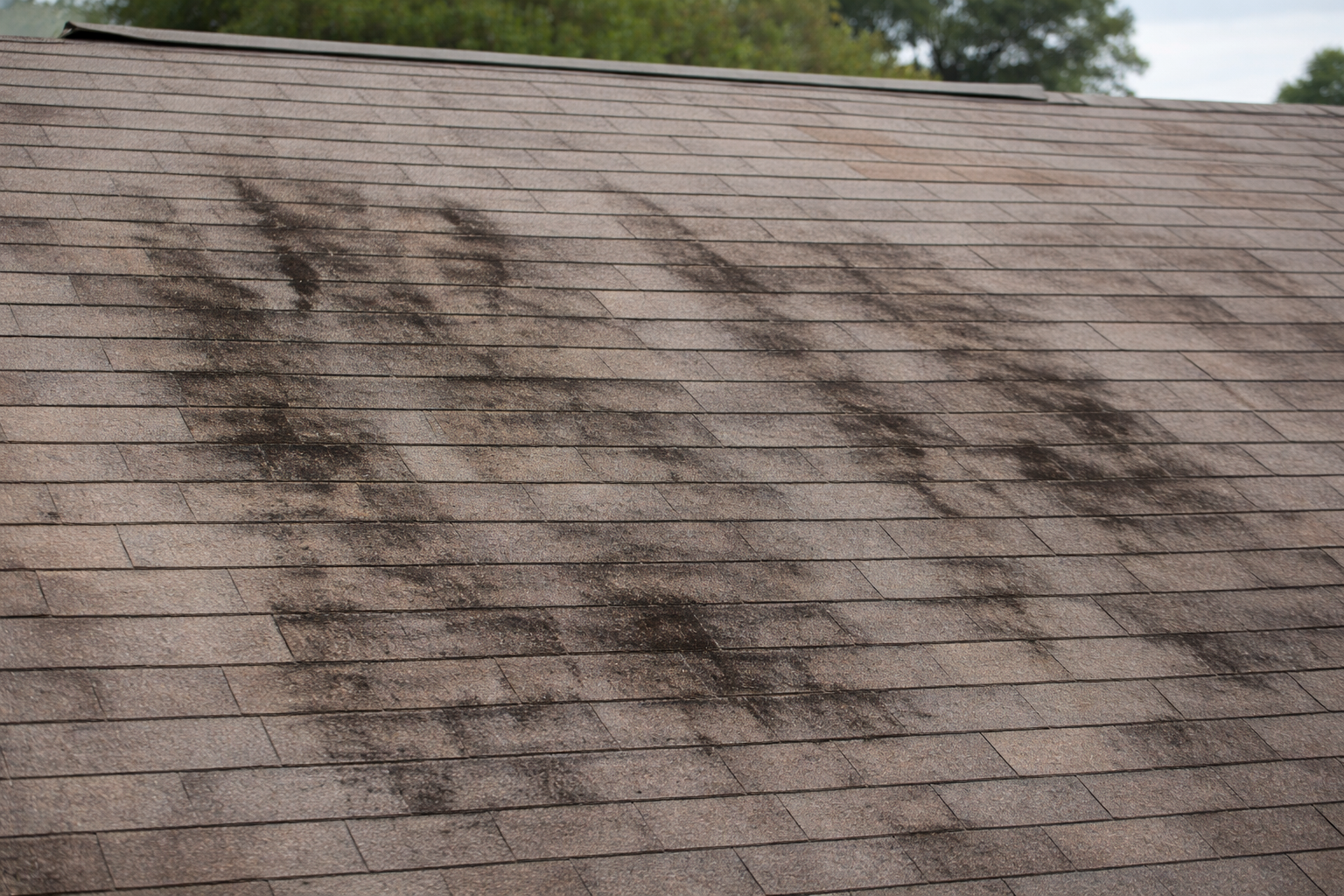
Putting off small roof repairs risks turning a minor defect into hidden water damage. You can end up paying for interior repairs, not just a patch. You may also create insurance and resale headaches if the problem lingers.
In coastal North Carolina, delays hit harder because wind-driven rain can push water under shingles and into flashing seams, and humidity can keep the roof from drying out quickly. That’s why “no ceiling stain yet” doesn’t always mean “no damage,” and why the cost jump often comes from what you can’t see, like wet insulation or softened decking. In the sections ahead, you’ll see how fast small damage can spread and what to do next so you can act fast without climbing onto a wet roof.
How Fast Small Roof Damage Spreads

You notice one lifted tab after a blowy afternoon and figure you will handle it next weekend. Then the next squall arrives, and the problem you could have spotted from the attic turns into wet materials you cannot see from the yard.
A “small” roof problem rarely stays small because of small roof repair risks built into how your roof works as overlapping layers. Once one shingle lifts or a flashing edge loosens, wind can peel the next course. Then water doesn’t just drip straight down. It wicks along underlayment and follows nails before you ever see a ceiling stain.
For example, in Wilmington-area wind-driven rain, one lifted tab can become a small strip of missing shingles after a couple of gusty afternoons, and then soak decking and insulation. If you wait for an obvious interior leak, you’re often past the easiest fix. Your move: a stitch in time saves nine, so treat the first sign like the starter pistol and check the attic from inside instead of walking a wet roof.
Hidden moisture often shows up first as subtle attic dampness, curled shingle edges, or small discoloration long before a visible drip inside. Read more in our article: Early Roof Leak Signs
The Real Costs of Delaying Roof Repairs

Putting off a minor repair usually doesn’t raise the price because the shingle got “a little worse.” The price jumps because you stop paying for a targeted exterior fix and start paying for a wet-building problem. That means you remove and replace compromised materials and prove it’s dry enough to close back up. In coastal North Carolina, humidity and frequent wind-driven rain make that shift happen faster than most homeowners expect.
To illustrate this, a small leak that could’ve been handled with a straightforward flashing or shingle repair can turn into a much larger scope as a roof leak gets worse over time after weeks of repeated wetting. One industry example modeled roughly a 5–6x cost increase after about two months, once the job expanded to items like flashing plus roof-deck repair and attic mold treatment (modeled 5–6x cost increase after about two months). That escalation often includes costs you don’t see from the driveway: wet insulation that has to be pulled and stained drywall that has to be cut out.
Don’t bet your wallet on “insurance will handle it later,” either. It’s a risky assumption that can backfire. If an adjuster thinks you knew about damage and didn’t act, later resulting damage may be treated as neglect, and mold coverage is often excluded or capped (sometimes around $10,000 or less) even though mold remediation can run roughly $15,000–$30,000. The practical move is to treat early repair as cost containment, the same no-nonsense advice you’ll see in Consumer Reports: document what you saw and check the attic during rain before secondary damage becomes the real bill.
Coastal NC Multipliers: Wind, Salt, Humidity
A Wilmington homeowner rides out a storm, sees nothing obvious from the driveway, and moves on. Two weeks later, an edge that never resealed has kept letting wind-driven showers work the same seam.
In the Wilmington area, a “small leak” rarely stays small. You have wind that turns a slightly lifted shingle into a peeling edge and wind-driven rain that can get pushed sideways under the shingle courses. That’s why a defect that might limp along in a calmer, drier climate can jump categories fast here.
Salt air and strong sun add another multiplier: shingles and sealants tend to dry out, lose adhesion, and crack sooner, so yesterday’s “it settled back down” tab can become tomorrow’s open edge when the next gust hits. If you’re telling yourself it’s probably OK because it survived the last storm season, you’re relying on the one factor you don’t control: the next storm’s direction and duration.
Humidity is the final accelerant. That can seem true until moisture gets trapped. Once moisture gets into decking or insulation, coastal humidity makes “it’ll dry on its own” a bad bet. It’s like leaving a wet dock line coiled up and hoping it won’t mildew. As an example, after a squally week, you might see no new ceiling stain, but your attic stays damp and musty; if you delay a repair and drying step until the next available roofer slot, you’ve given that trapped moisture extra time to do expensive work. Your best near-term move is to verify from inside: check the attic during or right after rain for active wetting and confirm the space is actually drying out.
Salt air and coastal humidity can shorten shingle life by accelerating granule loss and weakening the seal strip that’s supposed to keep tabs bonded down. Read more in our article: Salt Air Humidity Shingles
Insurance and Resale Risks When You Wait

Many policies treat mold as a special case, with coverage often excluded or capped, sometimes around $10,000 or less, even though remediation can run roughly $15,000 to $30,000. When moisture lingers, the paperwork risk can become as expensive as the repair risk.
Delays also change the paper trail around the damage. It can change how the problem gets labeled: “sudden damage” versus “known, ongoing water intrusion.” If an adjuster thinks you noticed a leak, stain, or missing shingle and didn’t act, later damage may be treated as neglect (delay can be treated as neglect). That is the fastest way to get denied. The move is simple: take dated photos and report the issue promptly because roof leak insurance claim timing can affect how the loss is evaluated.
Resale can get complicated for the same reason. It’s all over Nextdoor neighborhood posts after every big storm. A small, fixed repair is easy to explain; a months-long drip with repeated staining raises disclosure questions and buyer pushback. Case in point: you patch drywall but skip the roof fix, and the next inspection flags active moisture in the attic, forcing a rushed concession.
What to Do Next When You Spot a Small Issue
When you notice a lifted shingle or a new water stain, treat it like a time-sensitive maintenance problem, not a “kick the can down the road” project.
| What you notice | Why it can be bigger than it looks | Safest next step (no roof access) |
|---|---|---|
| Lifted/loose shingle tab or edge | Wind can peel adjacent courses; rain can be pushed under shingles | Photo from the ground; check attic during/after next rain |
| New ceiling stain or drywall discoloration | Water may have traveled before showing; insulation/decking can be wet | Photo the stain; inspect attic for wet decking/insulation |
| Flashing looks separated/loose | Wind-driven rain can enter seams; leaks can recur with each storm | Schedule repair/inspection; document dates and conditions |
| Musty attic odor or damp insulation | Trapped moisture may not dry in coastal humidity; mold risk increases | Confirm active wetting; prioritize stopping and drying moisture |
| “No stain yet,” but recent storms | Hidden wetting can exist without interior signs | Check attic during/after rain; use a basic humidity gauge to track drying |
Start by documenting and confirming conditions: take dated photos from the ground and of any interior stain, then check the attic during or right after the next rain for active dripping or roof decking water damage. If you smell mustiness or see damp insulation, move it up your priority list.
Resist the urge to climb up for a closer look, especially after a storm (caution against getting on a wet roof). A wet asphalt shingle roof gets slick fast. Walking it can break brittle tabs and grind grit into the shingles, turning a band-aid fix into a wound that won’t close. If you see active leaking, call a roofer promptly; if it’s dry but suspicious, schedule an inspection/repair window and keep documenting what changes (photos or notes) so you can show you acted quickly if insurance or a future buyer ever asks.
A professional inspection can document storm-related damage and help you decide whether you need a repair now or just monitoring, without guessing from the ground. Read more in our article: Roof Inspection Worth It
Contact us for a free inspection or call 703-673-6301 to find out where you stand.