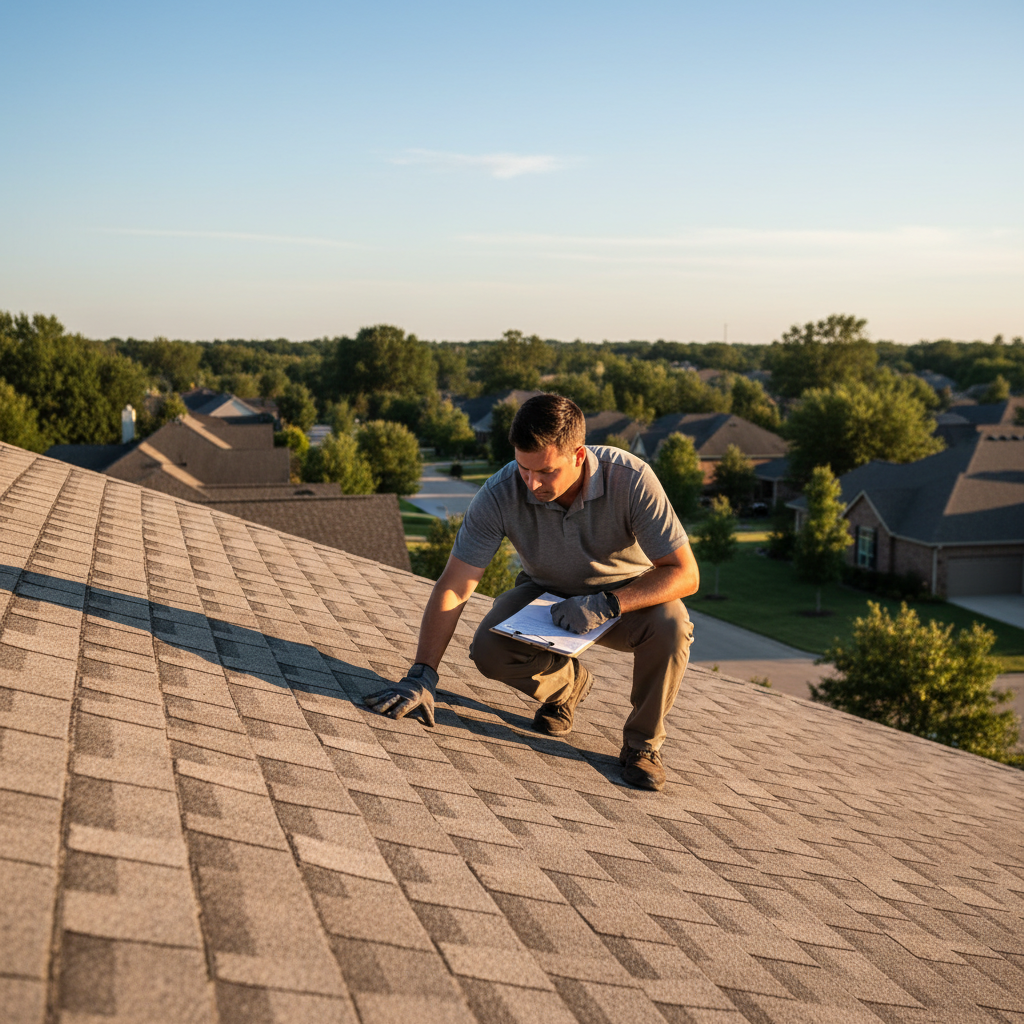
Yes, it can affect both, even if it feels like simple maintenance. Insurance usually won’t pay for it, but it can still impact renewal. Your warranty usually survives cleaning, but the method can create problems.
What matters is how insurers and manufacturers classify what you did and what they can prove later. In coastal North Carolina, carriers may underwrite based on roof age and visible condition. A future leak can get treated as gradual wear instead of a sudden event. On the warranty side, pressure washing and vague paperwork cause more trouble than cleaning itself, so you’ll want the right method and clear documentation before you proceed.
What Your Insurer Can Change

You can pay for a roof treatment out of pocket and still end up with a renewal surprise if the carrier flags the roof as older or higher-risk than your paperwork says. The confusing part is that “maintenance” can still influence whether you get kept as a customer.
Even if a rejuvenation or soft-wash feels like “just maintenance,” it can still trigger an “I’m not trying to open a can of worms with my insurance company” moment. First, they typically won’t pay for cleaning or rejuvenation because they treat it as maintenance rather than a covered loss (see roof rejuvenation FAQ guidance). So will roof cleaning affect insurance is usually about eligibility rather than reimbursement. More importantly, they can change your eligibility (renew you or non-renew you) based on roof age and visible condition, roof age and insurance eligibility, especially in coastal North Carolina where wind and storm exposure drives tighter underwriting.
The part most homeowners miss: a better-looking roof doesn’t guarantee a better premium, and it doesn’t override age-based rules. You can also see more claim scrutiny later if a future leak gets framed as long-term wear instead of a sudden event. Before you schedule anything, confirm with your agent or an independent broker what your carrier records about the roof. Think of it like a paper trail you may need later.
In North Carolina, an insurer-ordered roof inspection often drives renewal decisions even when no claim is being filed. Read more in our article: Homeowners Insurance Roof Inspection
The “Maintenance vs Claim” Line

A neighbor cleans up their roof in spring, then files a claim after a summer storm and gets told the problem was “pre-existing.” That gap between what you experienced and what can be proven is where disputes start.
A rejuvenation or soft-wash almost always sits on the “maintenance” side of the line. That line is not negotiable. More importantly, that label affects how a future roof problem gets interpreted, and Consumer Reports has been saying the same thing for years: insurers pay for sudden, covered events, not long-term deterioration that finally shows up as a leak.
To illustrate this, imagine a Wilmington summer thunderstorm drops a limb and you later notice water staining. If the adjuster can point to widespread granule loss or brittle shingles and call it ongoing wear, the conversation shifts from “storm damage” to “maintenance issue.” Protect yourself by keeping a paid invoice and saving clear, dated photos from both before and after the work. Also document the specific event (date and weather report) so the damage doesn’t get lumped into gradual aging.
Knowing what counts as normal aging versus storm damage can make or break how a future leak gets evaluated after severe weather. Read more in our article: Normal Shingle Wear Vs Damage
How Roof Rejuvenation Affects Underwriting
For the best outcome, underwriting sees a roof that looks maintained and your records match what their system shows for age and condition. When those don’t line up, the same roof can trigger an inspection request instead of a smoother renewal.
Underwriting isn’t the same thing as claims. In coastal North Carolina, some carriers make renewal decisions using blunt rules like roof age on file and what they can see from a drive-by or aerial photo as part of an insurance inspection roof condition review (see roof rejuvenation and insurance eligibility notes). If you don’t want to get dinged on my premium, confirm what they have on file. A rejuvenation or soft-wash can help if the problem is “your roof looks neglected” (staining, heavy algae, debris lines), but it usually won’t change an age-based cutoff or stop a carrier from requiring an inspection.
If you’re doing this to stay insurable, don’t bet on “it looks better” translating into better terms. Underwriting treats it like a hurricane-season checklist. Handle it like a records check: verify the roof age they show on file and keep a paid invoice. Take clear dated before-and-after photos so you can show current condition if underwriting asks.
Roof Warranty Tripwires to Avoid

The quickest way to turn a routine cleaning into a warranty headache is to use a process that leaves visible damage you can’t explain later. Once granules are gone or tabs are creased, the argument shifts away from the shingle and onto your maintenance choices.
Most shingle warranty headaches don’t come from the fact that you cleaned the roof but from how you did it. If someone pressure-washes asphalt shingles and strips granules or creases tabs, that can cause damage (see pressure washing shingles guidance). Soft wash roof warranty impact is usually lower because a manufacturer can frame visible damage as improper maintenance, not a product defect. Don’t treat “it’s just cleaning” as automatically warranty-safe, even on a GAF roof.
The bigger risk is thin documentation, not the cleaning. If a warranty claim comes up, you’ll need an invoice that spells out the method (low-pressure/soft-wash) plus clear, dated before-and-after photos, not a generic “roof wash” receipt.
Some cleaning and maintenance steps can create warranty issues when they cause granule loss, cracking, or other visible surface damage. Read more in our article: Roof Warranty Void
Questions to Ask Before You Proceed
Before you schedule the treatment, treat this like a paperwork exercise, not a roofing debate. Just want to cover my bases. You’re trying to lock in what your insurer and warranty provider will recognize later. Treat it as evidence you may need later about the roof’s condition.
| Who | Ask/confirm | What to keep (proof) |
|---|---|---|
| Insurer / agent / broker | Roof age on file; whether they’ll update it based on a maintenance invoice; any roof-settlement limits (e.g. actual cash value), wind/hail deductibles, roof endorsements; what underwriting wants if reviewed again | Clear dated before/after photos; paid invoice/receipt; any specific insurer-requested documentation |
| Warranty holder (manufacturer or roofer) | Whether warranty restricts cleaning methods; whether contractor must be licensed/qualified; what invoice language they require to show low-pressure/soft-wash (not pressure washing) | Warranty terms/communications; invoice that states method; dated photos |
| Contractor performing treatment | Exact method (low-pressure/soft-wash); what was applied (plain terms); date; photo coverage expectations (each slope, ridgelines, existing wear areas) | Paid invoice stating method/products/date; clear dated before/after photos of each slope, ridge lines, and pre-existing wear |
Ask your insurer (or agent/broker) what roof age they have on file, whether a maintenance invoice changes anything, and what proof they want if underwriting reviews the roof again.
Ask your warranty holder (manufacturer or roofer): Does your warranty restrict roof cleaning methods, and do you require the contractor to be licensed/qualified? What specific language should the invoice include to show it was low-pressure/soft-wash and not pressure washing?
From the contractor, collect an invoice that lists method and date, plus clear, dated before-and-after photos of each slope and any pre-existing wear.
Roof not getting any younger? Contact us or call 703-673-6301 to find out where you stand.