You can stand in your yard, look up at your shingles, and still have no idea which quote is the smart one. One contractor tells you your roof is “near end of life.” Another offers rejuvenation to “buy years.” In coastal North Carolina, where wind-driven rain and humidity punish the weak spots first, you don’t need louder opinions. You need a clear way to match the option to what your roof is doing, and I just want to know what I’m getting into. Think of it like reading the wear pattern before you buy new tires.
The quickest way to get past the sales pitch is to focus on what each choice can change in a roof restoration vs replacement decision. Rejuvenation treats surface aging on asphalt shingles, improving flexibility and water shedding, but it leaves the system closed and can’t address what’s underneath. A full replacement is a tear-off and rebuild that gives access to underlayment, flashing, and any deck problems that may be feeding future leaks. In the sections ahead, you’ll learn when rejuvenation can be a smart “extend and monitor” move and when replacement becomes non-negotiable. You’ll also see which Wilmington-specific factors, including storm exposure or insurance realities, should tip your decision.
| Decision factor | Rejuvenation (surface treatment) | Full replacement (tear-off & rebuild) |
|---|---|---|
| What it changes | Shingle surface aging; aims to improve flexibility and water shedding | Entire roof system; resets water-shedding details and structure access |
| What it cannot do | Does not remove shingles or expose underlayment/deck | N/A (system is opened; issues can be addressed) |
| Best fit | Roof is aging but still performing; goal is to buy time | System failure or high risk; goal is to eliminate underlying problems |
| Red flags that override | Active leaks, soft/spongy decking, sagging, widespread curling/cracking/missing shingles | N/A (these are reasons to replace) |
| Hidden damage visibility | Cannot verify what’s happening under shingles without tear-off | Allows inspection/repair of decking, underlayment, flashing |
Roof Rejuvenation vs Replacement: What Each Changes

Roof rejuvenation extends the life of asphalt shingles by conditioning the surface to improve flexibility and water shedding. Vague promises are worthless. It doesn’t remove shingles or replace underlayment, and it doesn’t redo flashing or let anyone see the roof deck, so take a Consumer Reports-style show me the data approach.
A full roof replacement rebuilds the system from the deck up, restoring the water-shedding details that fail first. In coastal North Carolina, wind-driven rain can exploit a tired flashing joint or a soft spot in decking that looks fine from the yard. If you think age alone tells you what to do, you’ll miss that these options solve different problems.
When Rejuvenation Is the Smarter Bet

Rejuvenation makes the most sense when your roof is “old but still doing its job” and you’re trying to buy time, not erase risk. That can buy time, but it doesn’t reduce the underlying risk. When you treat age as the deciding factor, you can end up paying for a fix that doesn’t match the problem. It’s like repainting a porch with rotten boards.
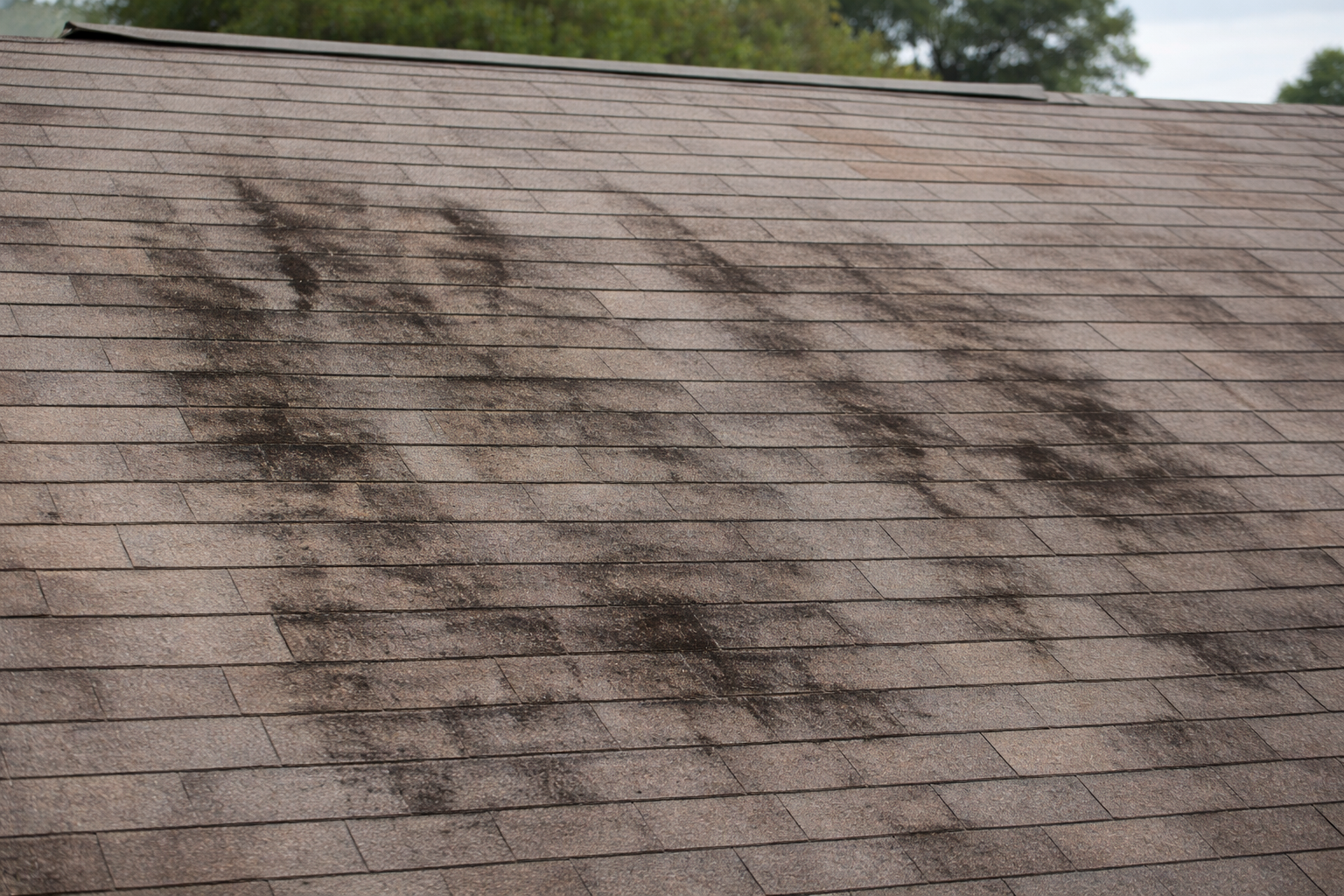
You’re usually a good candidate when your asphalt shingles are still lying flat and you’re mainly seeing surface aging, not system failure, such as shingles that look dry or brittle and modest granule loss on shingles. As an example, if you’ve had a couple shingles replaced after a Wilmington wind event but your attic stays dry in heavy, wind-driven rain, rejuvenation can be a reasonable “extend and monitor” move.
Homeowners can often avoid a costly “buy time” mistake by learning to separate normal shingle aging from true storm or impact damage. Read more in our article: Normal Shingle Wear Vs Damage
When a Full Roof Replacement Is Non-Negotiable
You patch the ceiling stain, the rain stops for a week, and then the next storm finds the same weak spot and spreads it. What costs you is the unseen damage that keeps spreading while you try to “buy time.”
Rejuvenation isn’t the “cheaper version” of replacement, and Angi reviews won’t change that. If you have active leaks or widespread shingle failure (curling or cracking across multiple slopes), you need a full replacement—this is how to tell if shingles are failing. Anything else is irresponsible because the failure isn’t just surface aging.
It’s also non-negotiable when you can’t reasonably rule out hidden moisture damage, since a non-tear-off option won’t expose compromised decking or roof underlayment failure. For instance, if you smell mustiness in the attic or see dark staining around roof penetrations, spraying a treatment can turn into paying twice: once now and again when you replace it anyway—especially with poor attic ventilation roof damage.
Small recurring leaks are often a symptom of a bigger underlying failure that surface treatments can’t expose or correct. Read more in our article: Small Roof Repair Risks
Coastal North Carolina Factors That Swing the Decision

A neighbor on Masonboro gets a clean inspection in spring and feels fine, then a late-summer sideways storm pushes water where it has never gone before. Same shingles, same age, different exposure and suddenly the decision looks obvious.
Around Wilmington and the beach towns, exposure is what tests a borderline roof, not the number on its age. Salt air and constant humidity can accelerate granule loss and drying, but algae history matters because aggressive pressure-washing can shorten shingle life. If you’ve cleaned it hard more than once, let’s not throw good money after bad with a surface-only fix.
When the weather turns sideways, wind-driven rain decides it. Tiny flashing gaps can act like a bad seam on a jon boat when rain hits sideways. And if you’re heading into hurricane season, waiting on a marginal system to prove itself can cost you more than the price difference.
Salt air and humidity can shorten shingle life by accelerating granule loss and drying, especially on roofs with higher storm exposure. Read more in our article: Salt Air Humidity Shingles
My-Situation Checklist (Wilmington): What to Ask, What to Verify, What to Document
EPA materials modeling commonly cited in environmental discussions pegs asphalt shingles at roughly 11 million tons manufactured and disposed each year. If you are going to postpone a tear-off, the paperwork and proof have to be strong enough that it does not turn into a double-pay later.
You’ll make a better call by treating this as verification, not vibes, since rejuvenation can’t reveal what’s under the shingles and replacement can. Before you sign anything, get specific about what each option will and won’t solve for your roof and document it so insurance and resale don’t turn into surprises later, even if Nextdoor says a crew is the one to trust after a free roof inspection Wilmington NC.
Ask and document (in writing or email): Are you seeing any evidence of moisture in the attic or soft decking, and how did you check without a tear-off? What exact repairs are included either way (flashing touch-ups or boot replacements)? What product is used for rejuvenation and what result is being promised, in years, for your roof? Verify local constraints like existing layers and deck condition as a proxy for overall system soundness. Finally, call your insurer before you commit: ask whether a maintenance treatment changes underwriting the way a full replacement does and keep photos, dates, and paid invoices in case an insurance claim roof replacement comes up, especially if you’re heading into hurricane season.
Roof not getting any younger? Contact us at Contact us or call 910-241-1152 to find out where you stand.